
TL;DR

Get garden gear delivered free with Prime
- Fast, free delivery on millions of items
- Prime Video, Amazon Music and more included
- Member-only deals all year
A gardener writing for Amateur Gardening described crop losses during a hot, drought-hit summer in south-east England, where watering was difficult and a hosepipe ban added pressure. Containers, grapes and figs were among the successes; the gardener plans to grow fewer annuals and more perennial fruit next year. The experience is one gardener’s account, not a regional survey.
A gardener in south-east England says summer heat and drought left many crops struggling despite repeated watering, while container-grown plants, grapes and figs did comparatively well. In a report for Amateur Gardening, the writer, identified as Bob, says the season is changing what he intends to plant next year, with fewer annual vegetables and flowers and more perennial fruit.
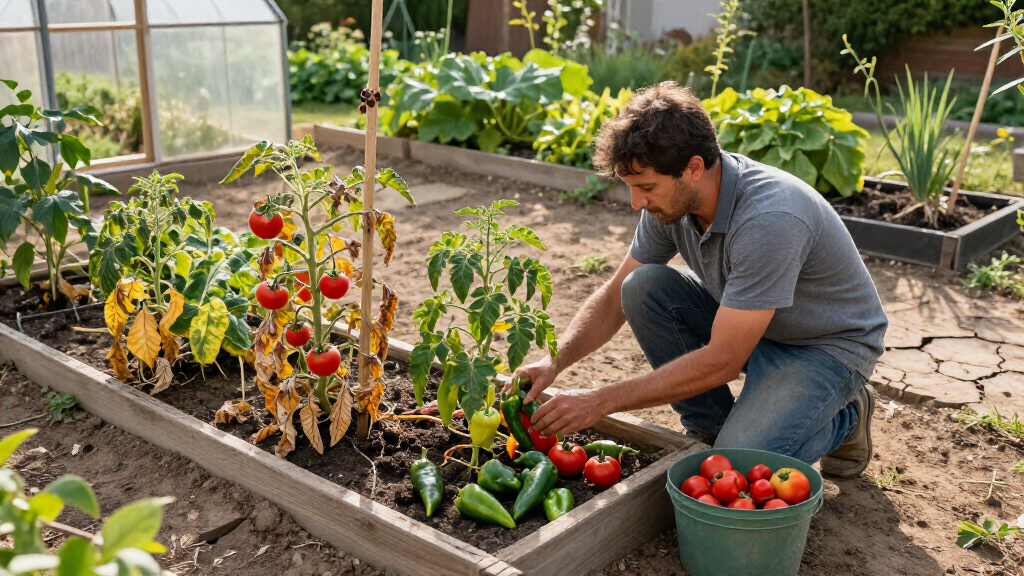
Bob describes a season in which watering the vegetable plot often failed to keep pace with drying soil. He says he carried large amounts of water before and after a hosepipe ban, but found the surrounding ground dried out quickly. Even decades of soil improvement, mulching and hand watering did not prevent losses. His account does not quantify how many plants or crops were lost.
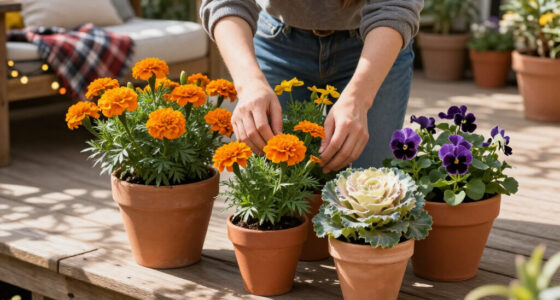
Containers were among the season’s winners, Bob says, because they held water more effectively under the conditions he faced. In garden beds, he had better results with crops such as tomatoes and squashes when he directed water to their roots using bottles as funnels. The dry air and strong sun also supported growth in some plants, and drought-tolerant blooms can also stay lush through summer heat; he reported fewer slugs than usual.
Results varied by crop and timing, much as they can for flowers that bounce back after summer heat. Onions, garlic and the earliest potatoes benefited from moisture left by a wetter winter, while early berries and currants did well. Later blackberries were about a month early and, in Bob’s assessment, not worth picking. Apricots, peaches and cherries performed better than later plums; apples and pears remained small and were heavily affected by worms, despite thinning. Grapes and figs were standouts, producing what he described as abundant, high-quality fruit.
How Drought Changed the Crop Choices
The report offers a practical account of how a prolonged dry spell can affect home growing, but it is one gardener’s experience, not evidence that the same crops will succeed in every garden or that the whole South East saw identical results. Soil, location, variety, growing method and access to water all shape outcomes.
Its immediate relevance is the decision Bob draws from the season: he expects to grow fewer annual crops and more perennial fruit, while relying on containers or targeted watering for some vegetables. For gardeners considering a similar shift, the account highlights both the potential value of holding water close to roots and the uncertainty of planning around one unusual season. Bob also warns that a difficult summer may not be a one-off, though the report provides no forecast or climate analysis to quantify that risk.
drought-tolerant container garden plants
As an affiliate, we earn on qualifying purchases.
As an affiliate, we earn on qualifying purchases.
From Early Harvests to Fruit Losses
The season’s results were shaped partly by timing. Bob says a wetter winter left moisture in the soil, helping early crops such as onions, garlic and potatoes. As the summer progressed, however, heat and drought made it harder to keep beds watered. A hosepipe ban further constrained watering, although the report does not state when it took effect or its exact rules.
The article also records mixed results rather than a uniform collapse. Some early fruit crops succeeded, while later fruit suffered; grapes and figs thrived even as several tree fruits were small or damaged. Bob’s proposed next-season choices include perennial fruit such as currants and berries, apricots and grapes. He specifically recommends grape varieties ‘Siegerrebe’, ‘Suffolk Red’, ‘Regent’ and ‘Boskoop Glory’; these are his recommendations, not independently tested conclusions in the report.
““Containers were for me, the winners.””
— Bob, writing for Amateur Gardening
What One Garden Cannot Establish
The report does not identify the summer by year, provide rainfall or temperature measurements, or quantify crop losses and yields. It also does not establish whether Bob’s results reflect conditions across south-east England. The reasons for individual crop outcomes are described from his experience rather than tested in a controlled comparison.
It remains unclear whether the next growing season will bring similar heat or drought. Bob says he expects such conditions may recur, but no forecast is cited. Nor does the article say how much water each crop received or compare container varieties, soil types or watering methods.
Bob’s Planting Plans for Next Year
Bob plans to reduce the number of annual vegetables and flowers he grows, keeping the earliest crops and those that can be managed in containers. He intends to plant more perennial fruit, including currants, berries, apricots and grapes. The article says autumn is a suitable time to plant some fruit crops, but it does not provide a detailed schedule for each variety.
For readers, the next step is to check local planting guidance and the needs of specific varieties before changing a garden plan. Bob’s account suggests that targeted watering and containers helped in his plot, but does not guarantee similar results elsewhere. The next season’s weather and the performance of his new plantings will show whether the change pays off.
Key Questions
Which crops did Bob say survived or performed well?
He reports good results from container-grown plants, grapes and figs. Onions, garlic and the earliest potatoes also did reasonably well, which he links to moisture left by a wetter winter. Early berries and currants were good, while later fruit had more problems.
Which crops struggled in the dry summer?
Bob says later blackberries were early and poor, later plums fared less well than apricots, peaches and cherries, and apples and pears were small and heavily affected by worms. He does not provide yield figures or a full list of losses.
Why did containers do better in Bob’s garden?
He says containers held water more effectively than the garden soil during the drought. This is his observation from one garden, not a guarantee that containers will outperform beds in every location.
What does Bob plan to grow next year?
He plans fewer annual vegetables and flowers, while increasing perennial fruit such as currants, berries, apricots and grapes. He also names four grape varieties he recommends: ‘Siegerrebe’, ‘Suffolk Red’, ‘Regent’ and ‘Boskoop Glory’.
Does this report show that these crops will withstand future droughts?
No. It documents one gardener’s experience and does not include a controlled trial, regional data or a weather forecast. Crop performance can vary with local conditions, variety, soil and watering.
Source: rss
Halloween Picks
halloween
As an affiliate, we earn on qualifying purchases.