TL;DR

Get garden gear delivered free with Prime
- Fast, free delivery on millions of items
- Prime Video, Amazon Music and more included
- Member-only deals all year
The Royal Horticultural Society recommends planting trees, shrubs and herbaceous perennials in autumn to give them time to establish before summer. British Garden Centres has also published a guide to plants it considers suitable for hot weather. The advice follows a summer of heat and drought; results will depend on local conditions and plant care.
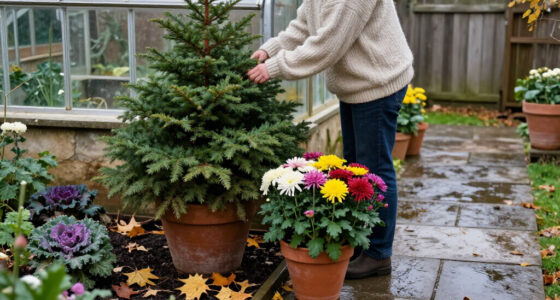
The Royal Horticultural Society (RHS) recommends planting trees, shrubs and herbaceous perennials in autumn to give them time to establish before summer heat and dry spells. The advice follows a summer described in the source report as having brought high temperatures and drought, and reflects interest in how gardens can respond to extreme weather.
The RHS says warm, moist autumn soil can support root growth, while cooler weather may put less stress on newly planted specimens than summer conditions. The time before the next summer gives plants an opportunity to establish through autumn, winter and spring. The RHS also says reduced weed and pest pressure at this time of year can provide a more suitable period for plants to settle in.
Leigh Hunt, the RHS’s Principal Horticultural Advisor, said autumn planting should become part of gardeners’ routine as gardens face longer, hotter dry spells. He said it gives some plants a better chance and can help gardeners use water more wisely. This is guidance, not a guarantee: the source report does not provide trial data quantifying how much autumn planting improves survival or reduces watering.
British Garden Centres has separately published a guide to plants it says can thrive in hot weather and be planted now. Its examples include sedums, Verbena bonariensis, asters, chrysanthemums, sea hollies and ornamental grasses. Julian Palphramand, the company’s Head of Plants, described the varieties as generally tough and forgiving once established. The guide and the RHS advice both emphasize choosing suitable plants and allowing them time to establish, rather than assuming any plant will withstand all conditions.
Giving Plants Time Before Summer Heat
For gardeners, the practical implication is to consider doing some planting in autumn rather than spring or summer. Establishing roots before the hottest part of the year may reduce strain on new plants during dry weather and could help with water management. The RHS presents autumn planting as one part of adapting gardens to longer, hotter dry spells, not as a substitute for watering or other care when conditions require it.
The advice also highlights plant selection. The varieties listed by British Garden Centres are presented as options for hot-weather gardens, but how well they cope depends on establishment and local growing conditions. Gardeners can use the recommendations as a starting point while checking each plant’s needs and the conditions in their own garden.
automatic indoor plant watering device
As an affiliate, we earn on qualifying purchases.
As an affiliate, we earn on qualifying purchases.
Advice After Heat and Drought
The Amateur Gardening report links the guidance to a summer of high temperatures and drought and says horticultural experts are preparing checklists to help gardeners respond to future extreme temperatures. It reports two related developments: British Garden Centres’ hot-weather plant guide and the RHS’s recommendation to plant more in autumn.
The recommendations differ in focus. British Garden Centres names particular plants it considers resilient in hot weather; the RHS emphasizes timing, advising gardeners to plant trees, shrubs and herbaceous perennials in autumn. Both approaches focus on helping plants become established before summer stress. The report does not provide a planting calendar by region or specify how the recommendations apply to different soil types.
“If we want gardens to survive longer, hotter dry spells, we need to make autumn planting part of the new gardening calendar.”
— Leigh Hunt, Principal Horticultural Advisor at the RHS
Limits of the Planting Advice
The source report does not provide comparative research showing how much autumn planting improves plant survival, nor does it quantify any reduction in water use. It also does not specify which plants perform best in particular regions, soil conditions or levels of exposure. The named varieties are examples from a garden-centre guide, and the description of them as resilient is attributed to the company’s plant expert.
Weather and site conditions will vary, and the report does not say that autumn planting removes the need for watering or maintenance. The RHS recommendation is that plants gain time to establish before summer; the degree of benefit for an individual garden will depend on local conditions and the plants selected.
Planting Before the Next Summer
The immediate step in the RHS advice is to use the autumn planting period for suitable trees, shrubs and herbaceous perennials, allowing them to settle through the cooler months before the next summer. Gardeners can also consult British Garden Centres’ guide for its suggested hot-weather varieties. The report gives no specific follow-up date, further RHS timetable or additional research findings.
As gardeners put the recommendations into practice, the relevant questions will be how plants fare through the coming seasons and whether earlier establishment helps reduce stress during dry spells. The source material does not report results from a formal evaluation.
Key Questions
Why is the RHS recommending autumn planting?
The RHS says warm, moist soil can encourage root growth, while cooler weather may reduce stress. Planting in autumn gives plants time to establish before summer heat.
Which plants are suggested for hot-weather gardens?
British Garden Centres lists sedums, Verbena bonariensis, asters, chrysanthemums, sea hollies and ornamental grasses among its suggestions. The recommendations come from its guide and do not guarantee that every plant will suit every garden.
Does autumn planting mean new plants will not need watering?
No. The report says autumn planting may help plants establish and help gardeners use water more wisely, but it does not say watering will never be needed. Care will depend on the plant, site and weather.
What remains unproven about the advice?
The report provides no figures measuring changes in plant survival or water use. It also gives no region-by-region guidance, so the results for particular gardens remain uncertain.
Source: rss
Halloween Picks
halloween
As an affiliate, we earn on qualifying purchases.