
TL;DR

Get garden gear delivered free with Prime
- Fast, free delivery on millions of items
- Prime Video, Amazon Music and more included
- Member-only deals all year
A Country Living report outlines five October tasks to prepare roses for winter: leave some blooms to form hips, clear fallen leaves, tidy loose stems, mulch without feeding, and secure or shelter vulnerable plants. The advice emphasizes light preparation rather than a hard prune, which the cited experts say should wait until February or March.
Country Living’s rose-care report recommends five jobs for gardeners to do before winter: leave some spent flowers to form hips, clear fallen leaves, shorten loose stems, mulch around the roots without feeding, and protect climbers, ramblers and potted roses from wind and cold. The guidance, attributed to horticulturist Gail Pabst and garden designer Oliver Burgess, favors modest preparation now and delaying the main prune until February or March.
The first task is to stop deadheading every spent bloom. Leaving some flowers on the plant allows rose hips to form, which can add color through autumn and winter. Pabst, marketing director for the National Garden Bureau, says hips also provide vitamin C for birds and signal the rose to go dormant. The report does not suggest that every flower should be left; it advises allowing some to develop.
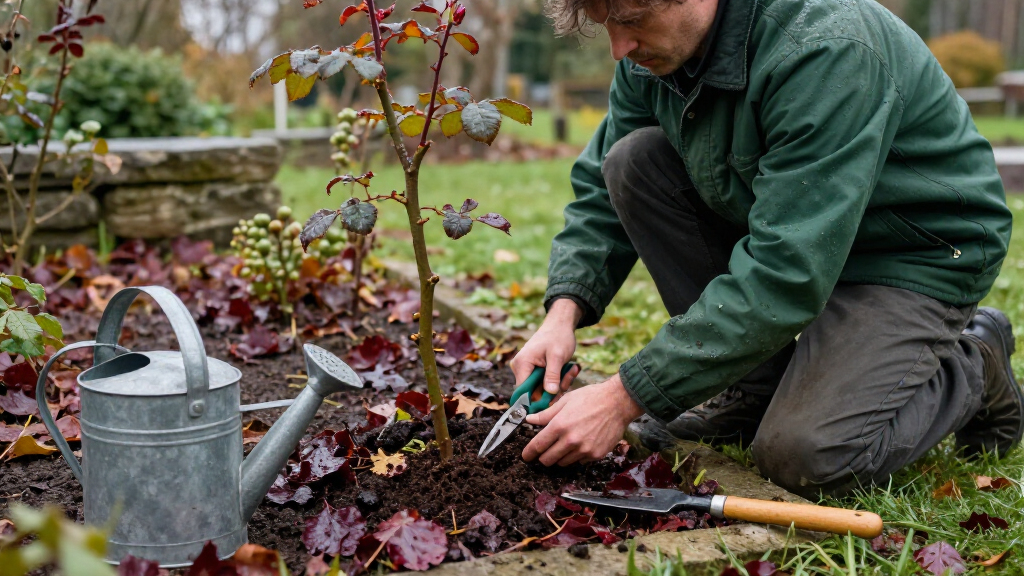
Gardeners should remove fallen leaves and other debris around the base of the plants, with particular attention to leaves showing black spot. Pabst warns that fungal disease can persist through winter in garden debris. The report then recommends checking stems for damage and excessive length: shorten long, loose stems that may move in strong winds, and cut broken or damaged growth back to healthy tissue. It cautions against a hard prune at this time of year.
For root protection, the report advises adding well-rotted manure or compost around the base of each rose, while keeping mulch clear of the stems. It says mulch can help protect roots from cold, retain moisture and improve soil. Do not feed roses now, Burgess advises, because feeding could encourage soft growth before spring. Climbers and ramblers should be tied in securely. For roses in pots, Burgess recommends a sheltered position, wrapping the pots and raising them on feet to reduce the chance of the containers freezing.
Protecting Roses Without Forcing Growth
The recommendations address different winter risks: wind damage above ground, cold around the roots, and disease that may persist in fallen foliage. They also set out a restraint-based approach. Rather than cutting roses back hard or feeding them late in the season, gardeners are advised to make limited adjustments and let plants move toward dormancy.
That distinction matters because the report says a hard prune too early can prompt soft new growth vulnerable to frost. Leaving some blooms also provides hips that offer garden color when flowering has tailed off. For gardeners with potted roses or exposed climbers, securing or sheltering plants can address vulnerabilities that a layer of mulch alone does not.
Products Worth Considering

Bose Lifestyle Ultra Soundbar and Ultra Subwoofer Bundle

Sonos Beam Ultra Dolby Atmos Soundbar, Black

LG S90TR 7.1.3‑Channel OLED Evo TV Matching Home Theater Soundbar (Black)
As an affiliate, we earn on qualifying purchases.
October Care Before Spring Pruning
The report frames October as a point when temperatures fall, days shorten and flowering declines, prompting roses to wind down toward winter. Its steps are seasonal maintenance, not a full winter pruning plan. The timing of winter weather varies, so the calendar reference describes the report’s guidance rather than a universal date for every region.
Burgess, a London-based garden designer, says the main prune should wait until February or March, warning that pruning earlier could encourage growth affected by frost. Pabst’s advice focuses on leaving some hips and clearing diseased leaves. The article offers expert recommendations but does not present a controlled comparison of different care schedules or claim that the same timing applies in all climates.
“Don’t do the main prune until Feb or March, otherwise you’ll push out soft growth which the frost will hurt.”
— Oliver Burgess, director of Oliver Burgess Garden Design
Timing Depends on Local Conditions
The report does not specify a climate zone or give temperature thresholds for carrying out each task. Local weather, rose variety and growing conditions may affect when gardeners should prepare plants, and the source does not set out separate instructions for every region. It also does not quantify how much protection a particular mulch depth or pot wrapping method provides.
The guidance is attributed to two experts, but the report does not describe trials comparing the suggested steps with other approaches. Its advice should be read as seasonal gardening recommendations, not a guarantee that roses will avoid winter damage or disease.
Continue Checks as Winter Approaches
After completing the autumn tasks, gardeners can check that climbers remain tied in and that pots stay in a sheltered position as weather changes. The report does not announce a follow-up study or a fixed schedule for those checks. Its next stated pruning milestone is February or March, when Burgess recommends doing the main prune rather than encouraging new growth during colder months.
In the meantime, the practical sequence is to remove diseased debris, make only necessary stem cuts, keep mulch away from stems, avoid late feeding and watch exposed or container-grown roses for winter conditions. The source does not specify a single date for these actions beyond its October seasonal framing.
Key Questions
Should I deadhead all my roses before winter?
No. Country Living’s report recommends leaving some spent blooms so they can form hips, while not saying that every flower must remain on the plant.
Should roses be hard-pruned in October?
The report advises against a hard prune in autumn. Oliver Burgess says to wait until February or March for the main pruning, because earlier pruning could encourage soft growth vulnerable to frost.
What should I do with black-spot leaves?
Remove fallen leaves showing signs of black spot and clear debris from around the base of the rose. The report says fungal disease can overwinter in garden debris.
Should I feed roses before winter?
No, according to Burgess. The report advises against feeding at this stage because it could encourage soft growth before spring.
How should I protect roses in pots?
Burgess recommends moving potted roses to a sheltered wall, wrapping the pots and raising them on feet so the containers are less likely to freeze.
Source: rss