
TL;DR

Get garden gear delivered free with Prime
- Fast, free delivery on millions of items
- Prime Video, Amazon Music and more included
- Member-only deals all year
An Amateur Gardening report sets out three autumn tasks to help plants through winter: adjust houseplant care, refresh patio containers with seasonal bedding, and lift and store tender tubers where frost threatens. The advice is to reduce watering and feeding for many houseplants, while checking stored tubers for rot during winter.
Amateur Gardening has published an autumn checklist advising gardeners to adjust houseplant care, fill gaps in patio pots with seasonal bedding and prepare tender tubers for winter storage. The guidance is aimed at helping plants cope as temperatures fall and daylight shortens, with frost protection and careful watering among its main concerns.
For indoor plants, the report says growth is slowing as autumn begins, so many plants need less water and no regular feeding. The writer says they plan to stop feeding plants unless they are flowering and water only when the compost is very dry, estimating that this may be about once every fortnight. That interval is an example from the writer’s own routine, not a universal schedule for every plant or home.
The recommended houseplant jobs also include removing dead leaves and spent flowers, wiping dust from foliage, and moving plants to improve access to limited winter light. The report cautions against placing them in direct sun where leaves could scorch and says not to leave pots behind closed curtains on cold nights, where they may be chilled.
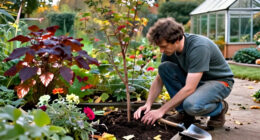
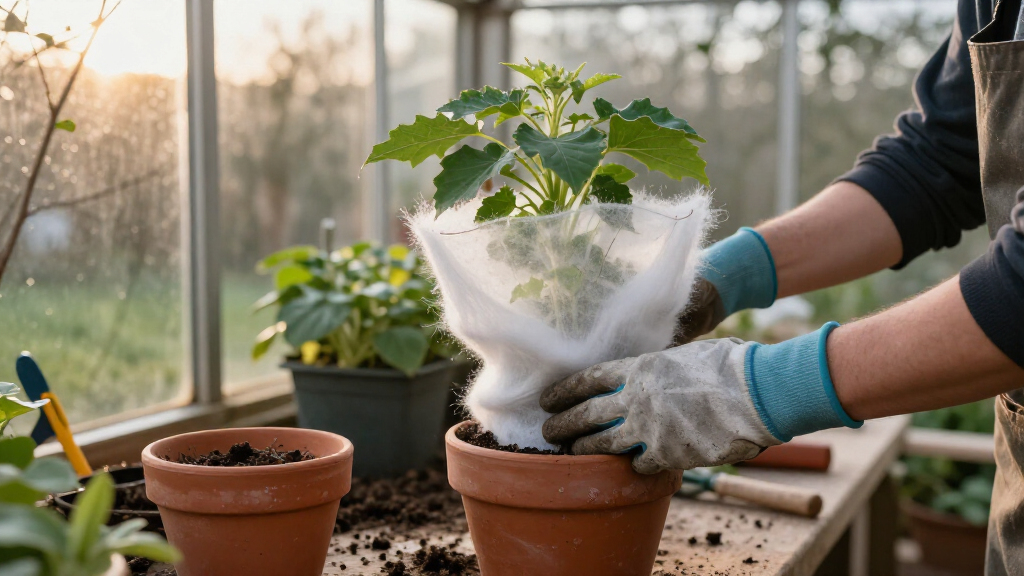
For outdoor containers, the writer suggests replacing gaps left by plants that have failed or been lifted with autumn or spring bedding. The report recommends adding a little compost and watering new plants in with a weak seaweed feed. It also advises lifting and storing tender dahlias, cannas, chocolate cosmos and tuberous begonias in a dry, frost-free place. Stems should be cut back to about 10 centimetres before lifting; tubers can be kept in trays of dry compost or sand, with soft or rotting pieces discarded.
Protecting Plants Through Cold Weather
These tasks address different risks of the colder season: overwatering and poor light indoors, empty spaces in outdoor pots, and frost damage to tender plants. Preparing ahead can help gardeners avoid losing plants that could otherwise be kept through winter, while also keeping containers planted during the colder months.
The advice is not a guarantee that every plant will survive. Conditions vary by species, location and growing environment. In particular, the report’s suggested watering frequency and wintering methods are examples to adapt to the plant and its conditions, rather than fixed rules.
As an affiliate, we earn on qualifying purchases.
Autumn Care in Three Areas
The report describes autumn as a change in routine rather than a single date for winter preparation: growth slows and daylight fades, while frost becomes a risk for tender outdoor plants. Its recommendations cover indoor plants, patio containers and tubers that need protection, reflecting the different needs of plants kept in homes, pots and garden beds.
For dahlias, the report distinguishes between garden conditions. It says plants in a sheltered southern garden with free-draining soil may be left in place under a generous mulch of well-rotted compost or manure and straw. Elsewhere, it recommends lifting them after the first frosts blacken the leaves. The writer says their own dahlias, cannas and chocolate cosmos grow in containers, which can be moved into a greenhouse or emptied into storage trays.
““I’ll stop feeding unless plants are flowering and only water when the compost is really dry, maybe every fortnight.””
— Amateur Gardening report
Plant Needs Vary by Conditions
The report does not provide a publication date, identify a particular region or give a detailed schedule for each species. It is also unclear what temperatures or local frost conditions should trigger lifting for every garden. The writer’s estimate of watering about every fortnight is explicitly tied to their own plants and conditions; individual plant needs can differ.
The article does not quantify how much the suggested steps improve survival. Gardeners should judge watering by the plant and compost, and consider local conditions when deciding whether tender tubers can remain in the ground or need lifting.
Check Plants as Winter Approaches
The immediate next steps in the report are to remove dead foliage, review houseplant light and watering, fill bare container spaces, and make room for stored tubers. As colder weather arrives, gardeners can monitor tubers for soft or rotten areas and discard damaged pieces. Dahlias left in the ground should be assessed against the report’s conditions of a sheltered site and free-draining soil; in less suitable locations, lifting after the first frost is the stated approach.
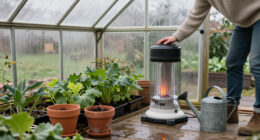
Plants kept in containers can be moved into a greenhouse or transferred to trays for storage. The report says container-grown tubers should not be watered again until they are repotted in spring. It offers no specific dates for these jobs, so timing will depend on local weather and the plants being grown.
Key Questions
How should houseplant care change in autumn?
The report advises reducing or stopping feeding for plants that are not flowering and watering only when the compost is very dry. Its example of watering about every fortnight is personal guidance, not a schedule for all houseplants.
What can fill gaps in patio pots?
Amateur Gardening suggests using autumn or spring bedding, adding a little compost and watering the new plants in with a weak seaweed feed.
Which tender plants may need lifting?
The report names dahlias, cannas, chocolate cosmos and tuberous begonias. It recommends storing lifted tubers in a dry, frost-free place and checking them through winter.
Can dahlias stay in the ground over winter?
The report says they may do so in a sheltered southern garden with free-draining soil if covered with generous mulch. In other locations, it advises lifting them after the first frosts blacken their leaves.
Source: rss
Fall Picks
fall essentials
As an affiliate, we earn on qualifying purchases.