TL;DR

Get garden gear delivered free with Prime
- Fast, free delivery on millions of items
- Prime Video, Amazon Music and more included
- Member-only deals all year
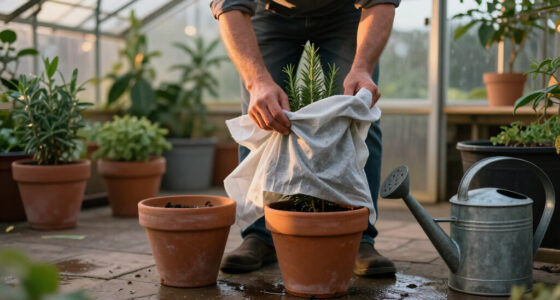
A Homes & Gardens gardening report recommends covering winter brassicas with netting raised on hoops or posts, and staking taller plants against wind. The article says frost cloth may be needed in colder growing zones; exact protection depends on the crop variety and local conditions.
Homes & Gardens recommends covering winter brassicas with physical barriers and staking taller plants to help protect kale, cabbage and other crops from birds, pests and wind damage. The report says raised netting can keep wildlife away while allowing light and moisture through, while gardeners in colder areas may need additional frost cloth.
The advice applies to kale, winter cabbage, cauliflower and Brussels sprouts, which can remain in the garden through winter but may still be damaged by severe weather or feeding animals. The report identifies birds as a common threat, naming geese, pigeons and goldfinches, and also lists rabbits, deer, rodents, slugs and snails as potential sources of damage.
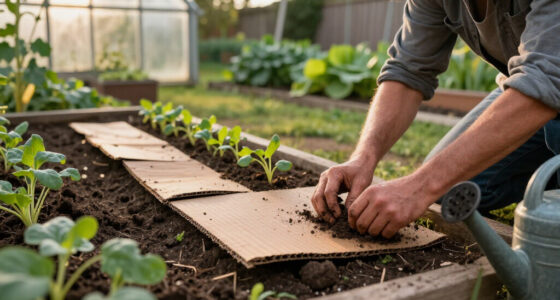
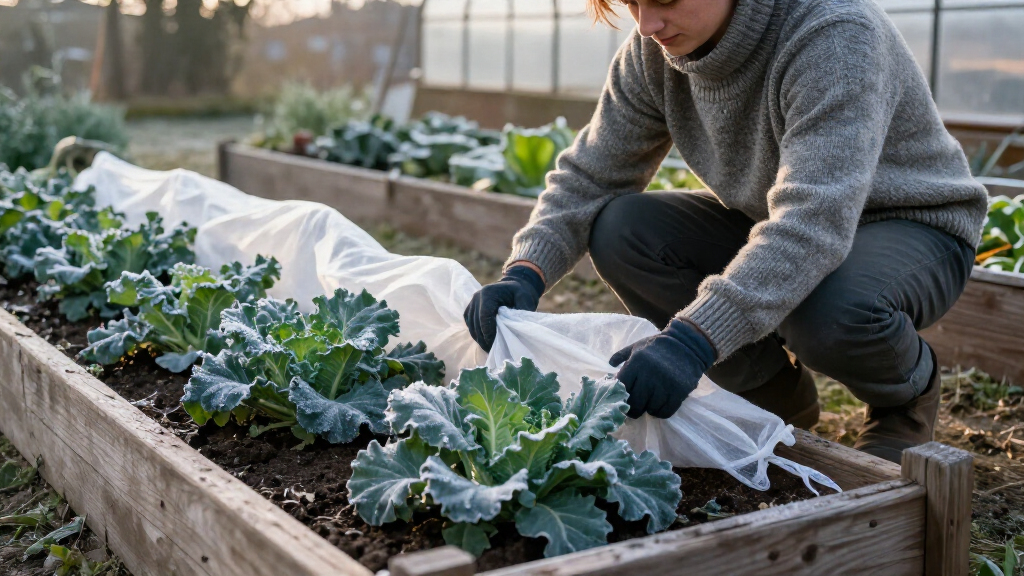
For pest protection, the article advises placing netting over hoops or posts rather than laying it directly on plants. It says netting should be secured at the sides with landscape staples or bricks so it cannot blow away and wildlife cannot get underneath. The report cautions that plants left in contact with netting may still be reached by pests; on frosty nights, material resting against crops can freeze to them and cause damage.
The article also recommends staking tall brassicas, including Brussels sprouts and some kale, because strong winds can rock plants, loosen roots or topple them. Its author says to tie the main stem to a bamboo or wooden stake with a soft, flexible plant tie. For areas with harsher winters, the report suggests choosing hardy varieties and considering thick frost cloth.
Keeping Winter Crops Standing
Winter brassicas can extend the harvest season, but a plant surviving the cold does not mean it will emerge undamaged or remain productive. Bird damage, wind-rocked roots and frost injury can all reduce the crop available to harvest. The report’s practical focus is on preventing those losses with barriers and support rather than assuming hardy vegetables need no care.
Raised netting is presented as a relatively simple way to protect plants while still letting in light and water. Staking addresses a different risk: preventing taller plants from moving excessively in winter winds. For gardeners, matching protection to the main local threat may help preserve crops without treating all winter conditions as the same.
Products Worth Considering

Roborock RockMow X130H Wire-Free 4WD Robot Lawn Mower

LEVOIT Vital 200S-P Smart Air Purifier for Large Rooms up to 1875 ft², Quiet 27 dB Operation, AHAM VERIFIDE Certified, Air Quality Monitor,

Dyson Omni-Glide Cordless Stick Vacuum, Gold/Iron
As an affiliate, we earn on qualifying purchases.
Cold Tolerance Varies by Variety
The report says brassicas are generally capable of overwintering outdoors, but cold tolerance differs among crops and varieties. It gives examples: some of the hardiest kale can withstand temperatures down to -10°F, while savoy winter cabbage and Brussels sprouts may tolerate around 10°F. These figures describe reported tolerance, not a guarantee that plants will avoid damage or produce an unaffected harvest.
According to the article, gardeners in USDA hardiness zone 5 can often overwinter these crops with less concern, while those in zones 3 or 4 may need hardier varieties and thicker frost protection. It also notes that snow can insulate plants in cold northern climates, though snow cover can make harvesting more difficult. The supplied report does not give a publication date or link these recommendations to a particular forecast.
“The simplest way to protect winter brassicas and preserve your harvest is to cover the plants.”
— Homes & Gardens report
Protection Depends on Local Conditions
The report does not identify the specific varieties, locations or weather conditions behind its hardiness examples. It also does not say how much netting, frost cloth or staking is needed for a particular garden. Actual cold tolerance varies by variety, and stated temperature limits should not be read as a promise of an undamaged crop.
The source describes netting as a barrier to birds and other pests but does not specify how well each mesh size excludes every animal. Gardeners may need to select mesh and supports for the pests present locally. No independent trial results or quantified harvest comparisons are included in the supplied material.
Check Crops Before Winter Weather
The report offers seasonal guidance rather than announcing a new product, study or policy. Its recommendations point gardeners toward checking plants for height and stability, choosing a suitable net barrier, and securing that cover before strong winds or winter pest activity cause damage. In colder regions, gardeners can also compare their crop varieties’ cold tolerance with local conditions and decide whether frost cloth is needed.
Because the supplied report gives no specific follow-up date or forecast, the next step for readers is practical: inspect covers and stakes during winter and adjust them if they shift, become loose or no longer protect the plants.
Key Questions
Which vegetables does the report cover?
It discusses kale, winter cabbage, cauliflower and Brussels sprouts, with its staking advice aimed especially at taller brassicas.
Should netting rest directly on the plants?
No. The report recommends raising netting over hoops or posts and securing its edges. It says pests may reach leaves through material touching the crop, and netting can freeze against plants on frosty nights.
Do winter brassicas need frost cloth?
Not necessarily. The report says needs depend on variety and climate. It suggests gardeners in colder zones, particularly zones 3 or 4, consider hardy varieties and thick frost cloth.
Why stake Brussels sprouts and tall kale?
Staking can limit movement in strong winds. The report says wind-rocking may loosen roots and, in severe cases, topple plants.
Source: homesandgardens.com