
TL;DR

Get garden gear delivered free with Prime
- Fast, free delivery on millions of items
- Prime Video, Amazon Music and more included
- Member-only deals all year
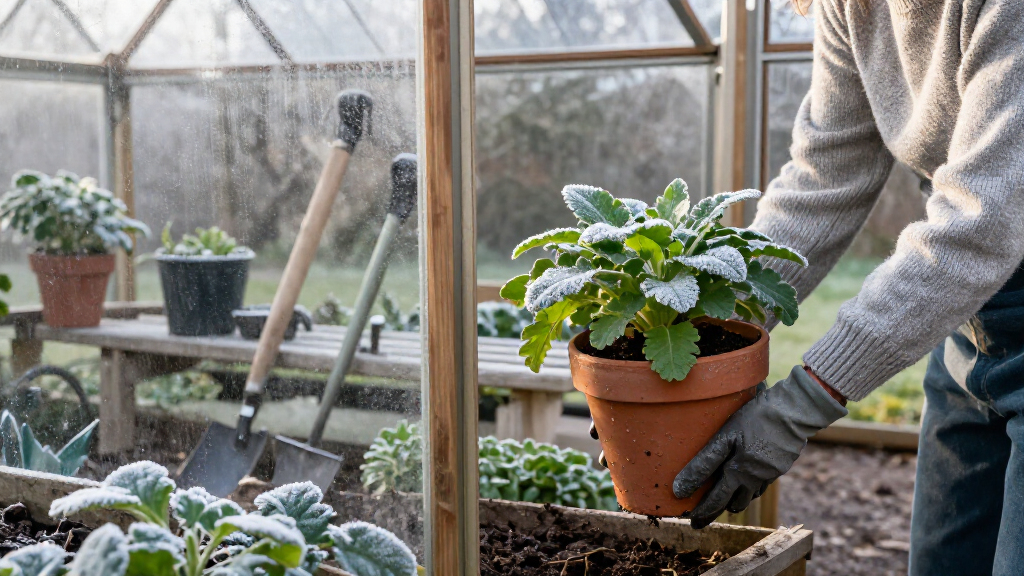
Planet Natural’s report explains how gardeners can choose a winter location for hardy potted perennials based on the plant, container and conditions available. Options include heeling a nursery pot into suitable ground, using a monitored unheated structure, or grouping containers in a sheltered outdoor spot; none guarantees survival.
Planet Natural has published guidance for choosing a winter location for hardy potted perennials, focusing on the limits of a plant’s hardiness rating once its roots are exposed in a container. The report describes three conditional options—ground heeling, monitored unheated storage and a sheltered outdoor grouping—and stresses that the right choice depends on the individual plant and the conditions a gardener can provide.
The report’s author describes arranging suitable perennial containers with Amir on a small Philadelphia patio in autumn 2023. With no greenhouse, storage room or garden bed available, they grouped pots in a sheltered spot while keeping drainage visible and the doorway clear. The author says the arrangement was intended to be manageable and inspectable, not a guarantee that every plant would survive.
Before choosing a location, the report advises identifying the plant and checking reliable local guidance for its winter requirements. A plant tag’s hardiness information generally describes a plant growing in the ground; it does not, by itself, establish that exposed roots in a pot can withstand the same conditions. The guidance is for outdoor perennials suited to the local climate that normally go dormant, not tropical houseplants or every plant labeled perennial.
Where suitable ground is available, a dormant plant in a nursery container may be heeled into the soil for insulation, the report says, citing Iowa State guidance. An unheated garage or similar structure is another possibility, but gardeners should measure its temperature rather than assume conditions from its name. The report cites Iowa State’s range of 20–45°F for plants covered by that guidance, not as a universal prescription. On a patio, shelter may reduce exposure, but pots still need drainage, access for inspection and protection from obstructed doors or paths.
Container Roots Face Different Winter Conditions
The practical issue is the difference between a perennial’s hardiness in the ground and the conditions faced by its aboveground root ball. Soil around an in-ground plant provides insulation that a pot does not. The report cautions that a zone label alone cannot determine whether a container-grown plant will make it through winter.
Choosing a spot also affects more than the plant. A pot that cannot be checked during a thaw, or that blocks a doorway or walkway, can turn a winter arrangement into a household hazard or an unmanageable setup. The report treats drainage and access as part of the decision, alongside shelter and temperature.
For renters and gardeners with limited space, the options may be constrained. The report does not present a sheltered patio as equivalent to ground insulation or controlled storage. If the available location cannot protect a plant’s roots adequately, the author advises seeking local guidance or finding another suitable place rather than assuming the arrangement will work.
Products Worth Considering

Philips Hue Festavia Outdoor Globe String Lights, 8 Bulbs, 22 ft

Blueair Blue Pure 311i Max Air Purifier

Blueair Blue Pure 511i Max Smart Air Purifier
As an affiliate, we earn on qualifying purchases.
A Patio With No Garden Beds
The report is based partly on the author’s experience with a small, hard-surface patio in Philadelphia. The author says there was no in-ground bed to use and no greenhouse or spare storage room, so the available approach was to group suitable containers in a sheltered position and keep them accessible.
It also distinguishes among different kinds of winter storage. A cold, unheated structure is not the same as a heated living room, and conditions can vary between garages. The author cites Iowa State’s guidance for certain plants stored in an unheated space, while directing readers to check the specific requirements of their plants. For ground heeling, the report likewise points to Iowa State and notes that the site needs appropriate drainage and the plant’s crown should remain at the correct level.
Container material matters too. A planter may be damaged by freezing and thawing even if the plant survives. The report says to check manufacturer advice for valuable or fragile pots and cites University of Illinois guidance on both root-zone protection and container damage. These are separate risks: plant survival does not establish pot durability.
Survival Depends on Local Conditions
The supplied report does not identify particular perennial species or provide a plant-by-plant survival assessment. It also does not give measurements from the author’s patio or establish how cold that specific spot became. The stated 20–45°F range applies to plants covered by the cited Iowa State guidance; the material does not support applying it to every perennial or container.
Whether a sheltered grouping is adequate depends on the plant, local climate, exposure, container and drainage. The report offers no guarantee that any of the options will prevent winter losses, and it does not provide a single solution for gardeners whose available spaces are unsuitable.
Check Plants and Conditions Before Winter
The report advises gardeners to confirm each plant’s identity and local winter needs before moving pots, then assess the actual conditions at any proposed storage site. For a garage or other structure, that means using a thermometer and observing cold spells, sunny periods and changes in building use. For an outdoor spot, check wind exposure, drainage, access and whether the arrangement is permitted.
During winter, inspect the potting mix when it thaws and water as needed for the plant and location. Do not water frozen mix or leave the container waterlogged, the report says. A regular inspection reminder may be more useful than a fixed weekly watering schedule. Gardeners who cannot provide adequate protection should seek local advice or arrange a more suitable location before relying on the patio setup.
Key Questions
Can a hardy perennial survive winter in a pot?
It may, but a hardiness rating for a plant growing in the ground does not establish how its exposed container roots will fare. The report recommends checking the species’ needs and local advice before choosing a winter location.
Is an unheated garage suitable for every potted perennial?
No. Garage temperatures vary, and the report says to measure conditions rather than rely on the word “garage.” Its cited 20–45°F range relates to plants covered by Iowa State’s guidance, not every plant.
What does it mean to heel a potted perennial into the ground?
It means placing a suitable dormant plant, still in its nursery container, into the ground so surrounding soil can insulate the roots. The report says to choose a well-drained site, keep the crown at the correct level and do the work before the ground freezes.
How should I water a dormant potted perennial in winter?
Inspect the mix when it has thawed and water as needed for the plant and storage conditions. The report advises against watering frozen mix or leaving the pot waterlogged.
Source: planetnatural.com