TL;DR

Get garden gear delivered free with Prime
- Fast, free delivery on millions of items
- Prime Video, Amazon Music and more included
- Member-only deals all year
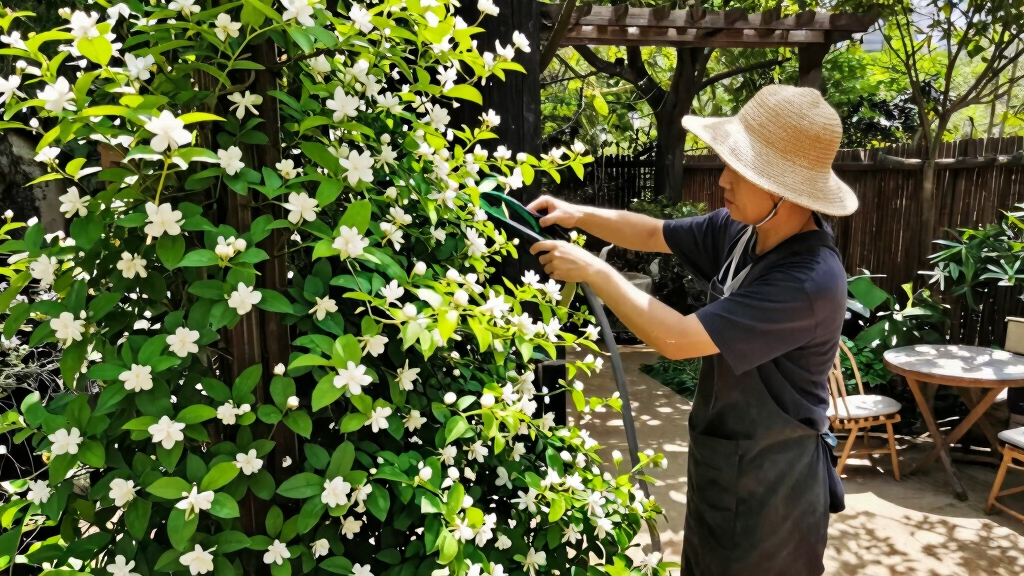
A heat-tolerant jasmine climber is now available for gardeners seeking fragrant, low-maintenance plants. It thrives in hot weather, blooms all summer, and attracts hummingbirds. Its popularity is rising among homeowners in warmer regions.
A new variety of heat-tolerant jasmine climber is gaining attention among gardeners for its ability to thrive in hot climates and fill gardens with a fragrant scent throughout the summer. Experts confirm that this plant is well-suited for warm regions and offers additional benefits such as attracting hummingbirds, making it a popular choice for outdoor spaces.
The plant, identified as a specific heat-resistant jasmine species, is noted for its vigorous climbing growth and persistent bloom cycle during the summer months. According to horticultural specialists, it can withstand high temperatures and drought conditions, making it suitable for gardens in southern states and other warm areas. Gardeners report that the plant produces a strong, sweet jasmine scent that lasts for weeks, creating a pleasant atmosphere. Additionally, the plant attracts hummingbirds, which are drawn to its nectar-rich flowers, further enhancing its appeal.
Manufacturers and garden centers have begun promoting this jasmine variety as an easy-care, fragrant option for summer gardens. It is available in nurseries and online, with recommendations for planting in well-drained soil and full sun. Experts emphasize that this jasmine requires minimal watering once established, making it a sustainable choice for water-conscious gardeners.
Why This New Jasmine Variety Matters for Gardeners
This jasmine offers a practical solution for gardeners in hot climates seeking fragrant and low-maintenance plants. Its ability to withstand high temperatures and drought conditions means it can thrive where other plants struggle, expanding options for summer outdoor decor. The attraction of hummingbirds adds ecological value, supporting local wildlife. As climate change increases the frequency of heatwaves, such resilient plants could become essential components of sustainable gardening.
Products Worth Considering

LG C2 Series 65-Inch OLED evo 4K Smart TV (OLED65C2PUA, 2022)

Dreame L50 Ultra Robot Vacuum and Mop

Dyson Cyclone V10 Origin Cordless Vacuum
As an affiliate, we earn on qualifying purchases.
Background on Heat-Resistant Garden Plants
Traditional jasmine varieties, such as common jasmine (Jasminum officinale), prefer moderate climates and can struggle in extreme heat. Recent breeding efforts have focused on developing heat-tolerant cultivars, with some success reported in the past few years. The current jasmine climber is part of this trend, designed specifically for regions with high summer temperatures. Its emergence aligns with a broader movement toward resilient, climate-adapted plants in horticulture, driven by both consumer demand and environmental considerations.
“This jasmine variety is a game-changer for gardeners in hot climates, combining resilience with fragrance and ecological benefits.”
— Dr. Emily Carter, horticultural researcher
Unanswered Questions About Long-Term Performance
It is not yet clear how this jasmine performs over multiple growing seasons in various soil types and climates. Long-term data on disease resistance, flowering duration beyond initial seasons, and maintenance needs are still emerging. Additionally, while initial reports are positive, independent horticultural trials are limited, and some experts suggest further testing is needed to confirm its durability across different environments.
Upcoming Trials and Market Expansion Plans
Horticultural institutions and garden centers plan to conduct further trials to assess the plant’s long-term performance and adaptability. Manufacturers are expanding production and distribution channels in anticipation of increased demand. Researchers will monitor its growth, pest resistance, and flowering patterns over the next few seasons. Gardeners are encouraged to share their experiences to help refine cultivation recommendations.
Key Questions
Is this jasmine suitable for all hot climates?
While it is designed to withstand high temperatures, suitability may vary depending on soil and humidity levels. Gardeners should check local climate recommendations and consider soil amendments for optimal growth.
Does this jasmine require special care or watering?
Once established, the plant requires minimal watering and prefers full sun. It is relatively low-maintenance compared to traditional jasmine varieties.
Can this jasmine be grown in containers?
Yes, it can be cultivated in containers with well-draining soil and adequate support for climbing. Regular pruning can help manage its size and shape.
Will this jasmine bloom all summer?
According to current reports, the plant blooms throughout the summer season, filling gardens with fragrance and attracting hummingbirds during this period.
Source: rss