TL;DR

Get garden gear delivered free with Prime
- Fast, free delivery on millions of items
- Prime Video, Amazon Music and more included
- Member-only deals all year
A Homes & Gardens report says bees may visit hummingbird feeders in fall as seasonal flowers fade. It recommends bee guards, regular cleaning, planting alternative late-season flowers for bees and moving feeders to a cooler, shadier spot; these steps may reduce bee activity but are not guaranteed to stop it.
A Homes & Gardens report says bees may gather at hummingbird feeders in fall as summer flowers fade, and recommends bee guards, regular cleaning and cooler placement to reduce visits. The report also advises planting late-season flowers so bees have another nectar source, rather than leaving them without food.
The report identifies sugar or nectar residue around feeder ports as one reason bees are attracted to feeders. Cleaning ports with a feeder brush and checking for leaks can reduce sticky buildup. Regular cleaning also helps remove bacteria that could affect hummingbirds, according to the report.
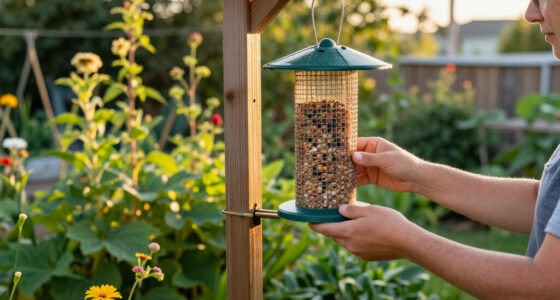
Another option is a feeder fitted with bee guards, which make the nectar harder for bees to reach while allowing hummingbirds to feed. The report says gardeners can also avoid yellow ports, which may attract pollinators, and choose red feeders instead. It does not provide comparative testing or data on how well particular products or colors work.
For a longer-term approach, the report suggests planting asters, salvia and coneflowers as fall nectar sources for bees and placing the hummingbird feeder away from those flowers. Moving the feeder to a shadier, cooler location may also reduce the warm nectar scent that can attract bees and slow nectar spoilage. The source describes this placement change as helpful alongside other steps, not a guaranteed fix.
Protecting Feeder Access and Pollinators
Bees at a feeder can make it harder for hummingbirds to reach the nectar intended for them. The report also raises a possible sting risk to birds, though it supplies no incident figures or evidence quantifying that risk. For households that want to attract hummingbirds, reducing bee traffic may help keep the feeding station accessible.
The recommendations are aimed at balancing the needs of both visitors: redirect bees toward flowering plants while keeping feeder nectar available to hummingbirds. That distinction matters because discouraging bees from one feeder should not mean eliminating their access to nectar in the garden, particularly as seasonal blooms become less available.
Products Worth Considering

Dyson Airsmooth Styling Brush

Shark AI Ultra Robot Vacuum with Matrix Clean Navigation, Self-Empty Base, HEPA Filtration, Pet Hair Friendly, Wi‑Fi, Dark Grey

Dyson V15 Detect Cordless Vacuum
As an affiliate, we earn on qualifying purchases.
Why Bees Visit in Fall
The source links the seasonal pattern to the fading of many summer perennials, which can reduce available nectar as fall progresses. A feeder containing sugar water then offers an accessible alternative. The report describes this as a garden-management issue rather than a newly measured change in bee populations or hummingbird behavior.
Its advice centers on four adjustments: guard the ports, keep the feeder clean and leak-free, provide flowers for bees, and place the feeder away from blooms in a cooler area. These are practical recommendations from the Homes & Gardens article; the source does not cite controlled research comparing their effectiveness.
How Well Each Fix Works
The source does not give a publication date, identify a specific location, or report counts of bees or hummingbirds at feeders. It also provides no measured results showing how much bee guards, feeder color or shade reduce visits. The shadier-placement suggestion is explicitly not foolproof, and the report does not say that any single method will keep all bees away.
It is also unclear how conditions such as local bee species, feeder design, weather and the availability of nearby flowers affect the outcome. The report offers general garden advice, not a tested protocol or a guarantee that hummingbirds will have exclusive access.
Seasonal Feeder Care Steps
Gardeners following the report’s advice can start by inspecting the feeder for sticky residue and leaks, then clean the ports and check whether guards are fitted. They can add fall-blooming nectar plants and move the feeder away from those blooms to a cooler, shadier spot, while continuing to monitor whether bees are still gathering there.
The source gives no announced follow-up study or formal next milestone. Its guidance is practical and ongoing: keep the feeder clean, replenish nectar regularly, and maintain other food sources for bees as seasonal conditions change.
Key Questions
Why are bees visiting hummingbird feeders in fall?
The report says many summer perennials have faded by fall, leaving fewer flower-based nectar sources. Sugar or nectar around feeder ports can also attract bees.
Do bee guards keep bees away from hummingbird feeders?
Bee guards can make it harder for bees to reach the nectar while leaving access for hummingbirds. The source does not provide test results, so they should not be treated as a guaranteed solution.
What flowers can provide nectar for bees in fall?
The report names asters, salvia and coneflowers as late-season options. It recommends placing the hummingbird feeder away from these flowers.
Does moving a feeder into shade stop bees?
It may help by keeping the feeder cooler and limiting the warm nectar scent, but the report says this is not foolproof. It also advises cleaning the feeder and using other measures.
Source: rss