
TL;DR

Get garden gear delivered free with Prime
- Fast, free delivery on millions of items
- Prime Video, Amazon Music and more included
- Member-only deals all year
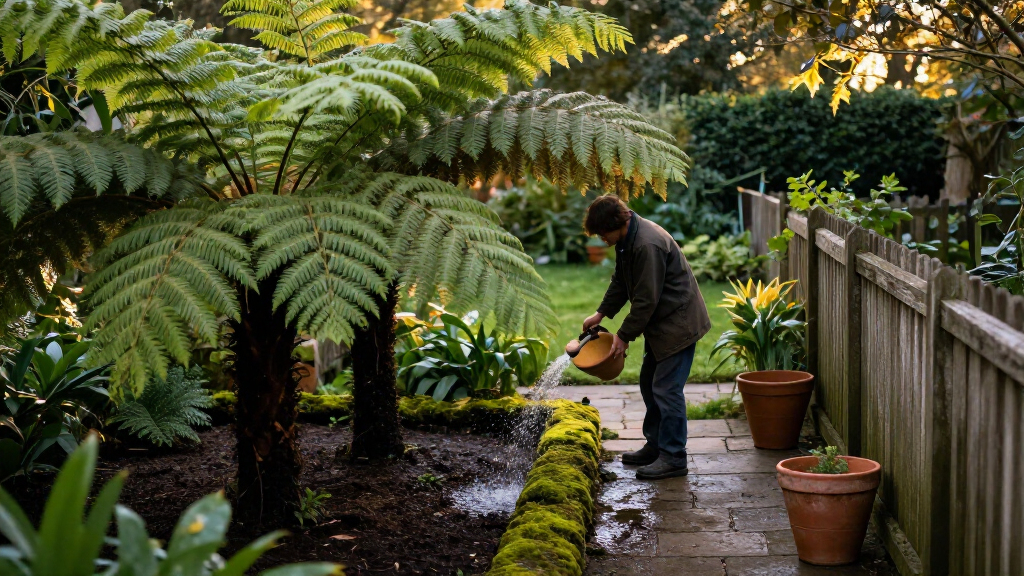
A photo on Monty Don’s Instagram, captioned “Dicksonia corner,” shows tree ferns planted at varying heights in a shaded part of his garden. An Ideal Home report says the plants can bring height, texture and screening to shady borders, but they need consistently moist soil.
Monty Don’s Instagram photo of a garden area captioned “Dicksonia corner” has prompted an Ideal Home report on using tree ferns in shady gardens. The image shows ferns of varying heights, while the report describes them as a way to add scale and leafy texture to shaded borders, with consistently moist soil needed for them to thrive.
The report identifies the plants as Dicksonia tree ferns, whose broad, feathery fronds give them a distinct architectural shape. In the photograph, plants at different heights create a layered effect in what appears to be a shadier part of Don’s garden. The source does not provide further details about the garden or when the image was taken.
Ideal Home says tree ferns can suit gardeners seeking substantial foliage in spots where many flowering plants may struggle. It quotes garden designer Gary Farrell, who says the fronds can create a sense of depth and drama and that tree ferns can do well in the dappled light common in many UK gardens. That is Farrell’s assessment, rather than a guarantee of performance in every garden.
The report’s main practical caveat is water: tree ferns prefer consistently moist soil. It recommends mulching around the base to help conserve moisture and describes the plants as suited to borders. The article also says they are hardy to minus 5 degrees Celsius and may remain evergreen in milder parts of the UK; the source does not specify the conditions behind that hardiness figure.
Adding Height to Shady Borders
Shaded corners can be difficult to plant when the aim is to create a full, layered display. Tree ferns offer a possible alternative to relying only on smaller shade-loving plants: their upright trunks and large fronds can add height and visual structure. In Don’s photo, the different plant heights illustrate how a grouping can create depth rather than a flat border.
The idea comes with a practical trade-off. A garden’s shade may suit the plants, but the soil still needs to stay reliably moist. That makes tree ferns a better fit for gardeners able to monitor watering and maintain the planting area, rather than an automatic solution for every dark or dry corner.
Products Worth Considering

Levoit Core 400S-P Smart Air Purifier for Large Rooms

Levoit Vital 100S-P Air Purifier

eufy Security Essential Alarm System, 7-Piece, No Monthly Fee
As an affiliate, we earn on qualifying purchases.
What the Photo Shows
Ideal Home’s report is based on a post from Monty Don’s Instagram account, captioned “Dicksonia corner.” It presents the image as an example of tree ferns growing in a shaded area and focuses on their use in garden borders. The material supplied does not identify the exact location of the planting or confirm the conditions in which the ferns are grown.
The report also points to tree ferns’ fan-like foliage as a potential form of garden screening. It says they can retain foliage in milder parts of the UK, citing a hardiness figure of minus 5 degrees Celsius. Those claims should be read with the report’s qualification that performance varies with local conditions, and with its central care guidance on keeping soil moist.
“Tree ferns bring a lushness and scale that few other plants can match, especially in shadier corners where most flowering plants struggle.”
— Gary Farrell, garden designer and founder of Nth Degree, as quoted by Ideal Home
Garden Conditions Still Matter
The source does not give the date of Don’s post, the precise location of the tree fern corner, or details such as soil type, watering routine and exposure. It is also unclear how the plants are protected during colder periods or whether the minus 5 degrees Celsius hardiness figure applies to all growing conditions.
The report offers general gardening guidance and a designer’s opinion, not a controlled comparison of tree ferns with other shade plants. Individual results will depend on the garden and ongoing care. Its mention of a retailer’s tree fern product and claims about new fronds unfurling within weeks are attributed to the seller, rather than independently verified in the supplied material.
Care Before Planting
For anyone considering tree ferns, the report’s immediate advice is to check whether the chosen border can be kept consistently moist and to mulch around the base to help retain soil moisture. Gardeners should also assess the available space for the plants’ potential height and broad fronds before choosing a position.
No new announcement or follow-up from Don is included in the source. The article’s guidance remains the available information: use the Instagram photo as planting inspiration, while matching the plants to local conditions and their watering needs.
Key Questions
What did Monty Don share?
Ideal Home reports that Don posted a photo captioned “Dicksonia corner”, showing tree ferns at varying heights in what appears to be a shaded garden area.
Can tree ferns grow in a shady garden?
The report describes tree ferns as suited to shade and dappled light. Their success will still depend on the conditions in a particular garden, especially whether the soil can be kept moist.
What care do tree ferns need?
Ideal Home says they prefer consistently moist soil and suggests mulching around the base to help conserve moisture. The report does not provide a full care schedule.
Are tree ferns evergreen in the UK?
The report says they can remain evergreen in milder parts of the UK and gives a hardiness figure of minus 5 degrees Celsius. It does not specify how that figure varies with growing conditions.
Source: rss