
TL;DR

Get garden gear delivered free with Prime
- Fast, free delivery on millions of items
- Prime Video, Amazon Music and more included
- Member-only deals all year
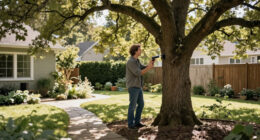
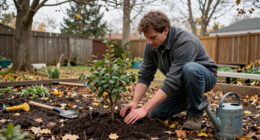
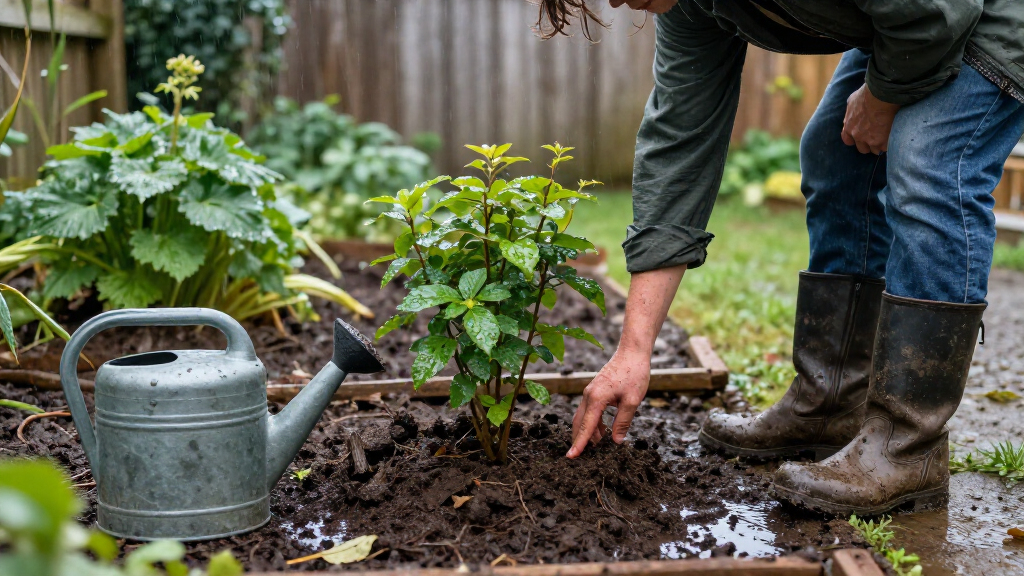
Gardening Know How reports that fall rain may not adequately water shrubs and trees planted in the past 6–12 months. Light showers can wet mulch and surface soil without soaking a plant’s root ball, so gardeners should check soil moisture and continue watering as needed until the ground freezes.
Fall rain may not be enough to water trees and shrubs planted in the past 6–12 months, according to a Gardening Know How report, which says showers can wet mulch and the soil surface while leaving a new plant’s root ball dry. The guidance matters because young roots can continue growing in cool autumn soil and need moisture as plants prepare for winter.
The report distinguishes between established plants and recent plantings. Deep-rooted trees and shrubs can draw moisture from a wider area of native soil, while a newly planted specimen may still depend largely on its original nursery root ball. That limited root zone can dry out even when nearby soil feels damp.
Gardening Know How says the difference in texture between nursery growing media and garden soil can affect how water moves. Lightweight potting media may drain quickly, while heavier clay or loam around it holds water differently. The report also notes that dense evergreen canopies can redirect rain away from the roots.
Rather than relying on how wet the yard looks, the report advises checking moisture in the soil around the root ball. It says consistent hydration remains important until the soil freezes solid. It does not provide a single watering schedule or volume for every plant and site.
Why Young Roots Need Fall Moisture
Insufficient water in autumn may not produce immediate, obvious damage. The report says plants can leaf out in spring using stored reserves, then struggle or fail later when warmer weather increases their need for water. That delayed effect can make the original cause—a dry root ball during fall or winter—hard to identify.
Moisture also matters as plants enter winter. Gardening Know How links dry soil with risks including winter desiccation, frost-heaving and cold damage to roots. Evergreens may be especially vulnerable: their foliage can continue losing water on bright, windy winter days, while frozen roots cannot readily replace it. The report says dry conditions can contribute to browning known as winter burn.
For gardeners, the practical point is that seasonal rainfall and a damp-looking surface are not reliable proof that a new planting has enough water. Checking the root zone can help identify a problem before its effects become visible months later.
Products Worth Considering

Roborock Q7 M5+ Robot Vacuum and Mop with Self-Emptying Dock

Shark AI Ultra Robot Vacuum with Self-Empty Base

iRobot Roomba 105 Vac Robot Vacuum
As an affiliate, we earn on qualifying purchases.
Rainfall Can Miss the Root Ball
The report explains why the belief that watering can stop in fall may seem reasonable. Cooler temperatures lower water loss through leaves, and established plants have extensive roots. Those conditions can reduce the need to water mature trees and shrubs during a dry spell.
New plantings are different because their roots have not yet spread far into surrounding soil. Gardening Know How says roots can continue growing while soil temperatures remain above 40°F (4°C), potentially for weeks after a hard frost. That late-season growth depends on available moisture.
Rainfall totals and surface conditions do not necessarily show how much water has reached a root ball. The report gives a light shower as an example: mulch may look wet and the upper layer of soil may be damp, while water may evaporate or run off before reaching deeper roots. It also says rain gauges can show very little precipitation even when outdoor surfaces appear soaked.
“For many newly planted shrubs and trees, consistent hydration remains critical until the soil freezes solid.”
— Gardening Know How
Water Needs Vary by Planting
The report does not set out one watering frequency or amount for all newly planted trees and shrubs. Actual needs can depend on rainfall, soil type, drainage, plant size and location. Its broad recommendation to maintain moisture until the ground freezes is not a substitute for checking conditions at the specific planting site.
The report also does not establish that every plant showing spring or summer stress suffered from fall drought. It describes delayed root damage as one possible explanation, while other causes may affect plant health. Gardeners should not treat later decline alone as proof of what happened months earlier.
Check Soil Before Winter
Gardeners with recent plantings can check the soil around the root ball rather than judging moisture from wet pavement, gutters or mulch. If the root zone is dry, watering may be needed while the ground remains unfrozen; the report does not give a universal quantity or schedule.
Continue monitoring through autumn, with particular attention to evergreens and plants in conditions where rain may run off or be intercepted by foliage. Mulch can help preserve soil moisture, the report says, but it should not be taken as evidence that the root ball is already adequately watered. Once the soil freezes solid, the report’s recommended period for maintaining autumn hydration has ended.
Key Questions
Is fall rain enough for a newly planted tree or shrub?
Not always. Gardening Know How says light rain may wet the surface without soaking the root ball. Check moisture at the planting rather than relying on how wet the yard looks.
How long should I keep watering new plantings in fall?
The report recommends maintaining adequate moisture until the soil freezes solid. It does not give a fixed schedule, so needs should be judged from conditions at the root zone.
Why can the root ball be dry when nearby soil is damp?
The report says nursery growing media and surrounding garden soil can differ in texture and drainage. Water may not move evenly across that boundary, leaving the root ball drier than nearby soil.
Are established trees affected in the same way?
Not necessarily. The report says established trees and shrubs generally have broader, deeper root systems than recent plantings, which can help them access moisture across a larger area.
Can dry fall soil cause problems that appear later?
According to the report, root damage may not be visible right away. A plant may leaf out in spring and show stress later, though that pattern alone does not establish fall drought as the cause.
Source: rss