
To successfully overwinter tender perennials indoors, plan early by selecting the right plants and deciding where to place them. Propagate cuttings in late summer or fall to expand your collection and prepare for indoor growth. Organize your space to guarantee proper light, humidity, and airflow, and prune plants to reduce stress. With strategic planning and proper care, you’ll keep your favorites healthy and ready for next season—learn more about making this process smooth and effective.
Key Takeaways
- Start planning early to determine which tender perennials can be successfully overwintered indoors.
- Propagate new plants from cuttings or divisions in late summer or early fall for indoor use.
- Choose suitable indoor locations with adequate light, humidity, and airflow to support plant health.
- Prune and prepare plants before moving them inside to reduce stress and facilitate handling.
- Organize space efficiently, creating designated areas for overwintered plants and propagation activities.

As the colder months approach, many tender perennials that thrive outdoors become vulnerable to frost and freezing temperatures. If you want to keep these plants alive and healthy through the winter, you need to start planning early. Overwintering tender perennials indoors isn’t just about temporarily protecting them; it’s a smart way to preserve your garden’s beauty year after year. Proper garden planning helps you figure out the best way to care for each plant and guarantees a smooth transition from outdoor to indoor life.
Planning early ensures successful overwintering of tender perennials indoors.
One of the most effective strategies involves plant propagation, which allows you to multiply your favorite perennials and create cuttings or divisions for overwintering. Many tender plants, like begonias or fuchsias, can be propagated easily from cuttings taken in late summer or early fall. Once rooted, these cuttings can be grown indoors where conditions are more controlled. This approach not only safeguards your plants but also gives you a head start on the next growing season. Plus, it’s a cost-effective way to expand your garden without buying new plants each spring.
Before you begin, it’s essential to evaluate your garden layout and identify which plants will benefit most from overwintering indoors. Consider their size, growth habits, and how much space you have available. This planning step helps you allocate a suitable spot—like a bright windowsill, a heated greenhouse, or a grow light setup—where your tender perennials can thrive during the colder months. You might also want to set up a dedicated space for plant propagation, where you can root new cuttings and keep them healthy until spring. Having a clear garden plan guarantees you won’t be caught off guard when the temperatures drop, and it makes the process of bringing plants inside more organized.
When moving tender perennials indoors, you should also think about their specific light, humidity, and watering needs. Most prefer bright, indirect sunlight and consistent moisture, but avoid overwatering, which can lead to root rot. Using well-draining soil and maintaining proper airflow will help your plants stay healthy. If some plants are too large to move, consider pruning them back to reduce stress and make handling easier. Proper garden planning and plant propagation techniques go hand-in-hand here, helping you create a manageable indoor environment that mimics their outdoor conditions.

Grow Light Bulbs, Briignite LED Grow Light Bulb A19 Bulb, Full Spectrum Grow Light Bulb, Plant Light Bulbs E26 Base, 11W Grow Bulb 100W Equivalent, Grow Light for Indoor Plants, Seed Starting, 2Pack
Full Spectrum & Natural Light: A19 full spectrum grow light appears 4000K white to the eye but has…
As an affiliate, we earn on qualifying purchases.
As an affiliate, we earn on qualifying purchases.
Frequently Asked Questions
How Do I Determine Which Tender Perennials Are Suitable for Indoor Overwintering?
You determine which tender perennials are suitable for indoor overwintering by considering their plant selection and temperature requirements. Look for plants that thrive in lower light and cooler temperatures, typically around 50-60°F. Check their specific needs—some may need bright, indirect light and consistent moisture. Avoid plants that require high humidity or very warm conditions, as they won’t adapt well indoors during winter.
What Are the Ideal Indoor Light Conditions for Overwintering Tender Perennials?
Bright, balanced, and blisteringly beautiful, your indoor lighting conditions should boost your tender perennials’ best. Aim for ample artificial lighting that mimics natural sunlight, providing high light intensity for healthy growth. Position plants near south-facing windows or supplement with grow lights, ensuring they receive 12-16 hours of light daily. Consistent, sufficient illumination keeps your plants thriving through winter’s gloom, giving them the glow needed for a successful indoor overwintering season.
How Often Should I Water Tender Perennials Kept Indoors During Winter?
You should water your tender perennials indoors during winter when the soil moisture feels dry to the touch, typically every 1-2 weeks. Check the watering schedule regularly, ensuring you don’t overwater or let the soil stay too dry. Keep the soil slightly moist but not soggy, and adjust frequency based on indoor humidity and temperature. Proper watering helps prevent root rot and keeps your plants healthy all winter long.
Can Overwintered Tender Perennials Be Kept Outdoors Again in Spring?
Yes, you can replant overwintered tender perennials outdoors again in spring. When replanting after overwintering, start by gradually exposing them to outdoor conditions to prevent shock. Use outdoor acclimation tips like hardening off the plants by placing them outside for a few hours daily, increasing exposure gradually. Make certain the last frost has passed, then transplant them into your garden, providing proper soil and sunlight for healthy growth.
What Pests or Diseases Should I Watch for When Overwintering Indoors?
Did you know that up to 70% of indoor plant issues stem from pests and diseases? When overwintering tender perennials indoors, watch for common pests like spider mites, aphids, and mealybugs. Low indoor humidity can encourage spider mites, so increase humidity to prevent infestations. Regular pest prevention, such as inspecting leaves and using neem oil, keeps your plants healthy and pest-free throughout winter.
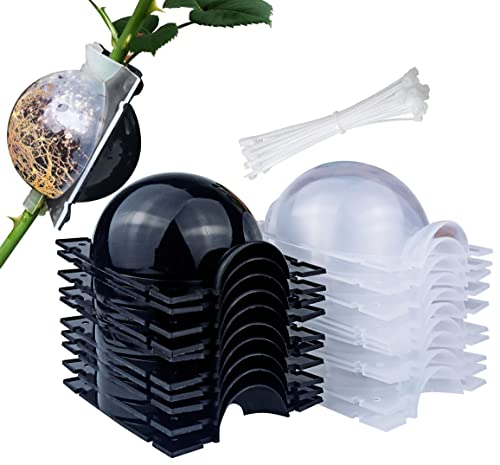
MIIIM 10 PCS Air Layering Propagation Kit with Zip Ties, Reusable Half Transparent Grafting Ball, Air Layering Pods Clear, Plant Rooting Grafting Box for Fast Propagation Plants (Medium)
Simplify Process & Easy to Install: Our rooting ball make the process of packing the branches much easier…
As an affiliate, we earn on qualifying purchases.
As an affiliate, we earn on qualifying purchases.
Conclusion
By bringing your tender perennials indoors, you’re giving them a new lease on life—like rescuing delicate treasures from winter’s grasp. With a little care and attention, you can enjoy their beauty year-round, transforming your home into a lush oasis. Think of your plants as your living art; nurturing them now guarantees they’ll flourish again when spring arrives. Embrace this seasonal dance, and watch your garden’s story unfold, chapter by vibrant chapter.

Pinkunn 2 Pcs Bonsai Humidity Tray Rectangular Drip Tray Plastic Plant Water Catcher Plant Saucers for Indoors and Outdoors Cactus,Succulents,Bonsai Tree,Stone Not Included (7.8 x 5.5 Inch)
What You Will Receive: the package comes with 2 packs of bonsai humidity trays, you can use them…
As an affiliate, we earn on qualifying purchases.
As an affiliate, we earn on qualifying purchases.

Miracle-Gro Moisture Control Potting Mix – Plant Soil For Container Plants, Protects against Over- and Under-Watering, 8 qt. (2-Pack)
FEEDS UP TO 6 MONTHS: Miracle-Gro Moisture Control Potting Soil Mix feeds plants for up to 6 months…
As an affiliate, we earn on qualifying purchases.
As an affiliate, we earn on qualifying purchases.