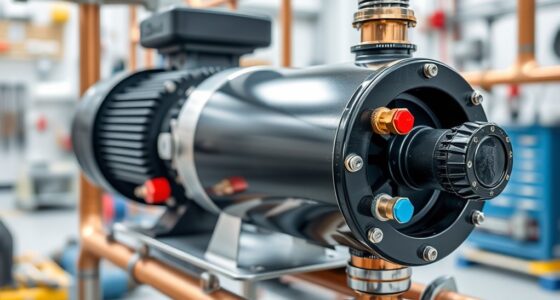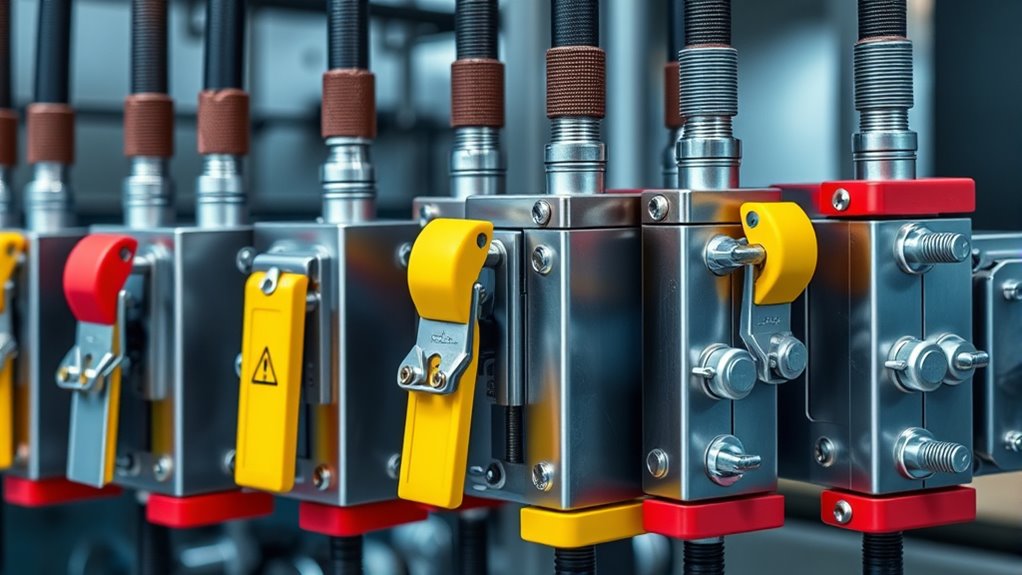

Interlocks prevent dangerous combinations by using sensors, switches, and controllers to monitor safety conditions before processes start or continue. For example, they stop machinery if safety covers aren’t in place or block certain functions until conditions are safe. They act quickly to shut down equipment when hazards are detected, keeping personnel and equipment safe. To learn how these safety devices work and how they can protect you, explore further details below.

Get garden gear delivered free with Prime
- Fast, free delivery on millions of items
- Prime Video, Amazon Music and more included
- Member-only deals all year
Key Takeaways
- Interlocks prevent hazardous equipment combinations by disabling functions when unsafe conditions are detected.
- Sensors and switches monitor safety parameters to ensure dangerous setups cannot occur simultaneously.
- Redundant interlock systems enhance safety by providing multiple layers of protection against risky configurations.
- Interlocks stop processes or disconnect power if unsafe combinations or conditions are identified.
- Regular testing of interlocks ensures reliable prevention of dangerous equipment or process combinations.
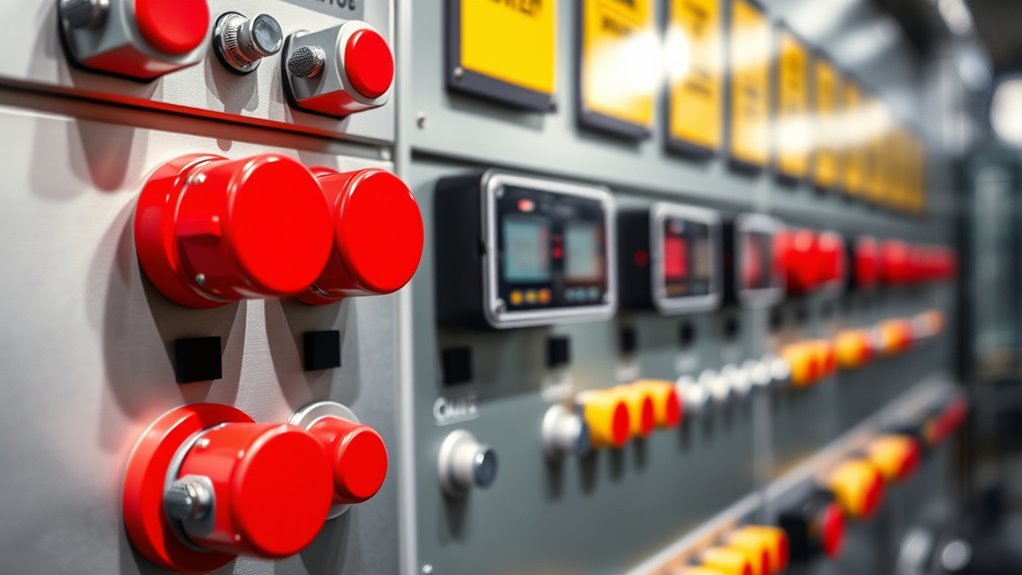
Interlocks are essential safety mechanisms designed to prevent dangerous combinations of equipment or actions. When working with complex machinery or systems, you need reliable control systems that ensure safety at every step. Interlocks serve as safeguards within these control systems, stopping potentially hazardous operations before they can cause harm. They act like gatekeepers, verifying conditions before allowing a process to proceed. For example, in manufacturing or electrical systems, interlocks prevent the activation of certain functions unless specific safety conditions are met. This might include ensuring a guard is in place before a machine starts or that power is cut off before maintenance begins. Without these safety mechanisms, the risk of accidents increases markedly, especially in environments where high voltages, moving parts, or dangerous chemicals are involved.
Interlocks prevent hazards by verifying safety conditions before equipment operation begins.
Implementing effective control systems with built-in interlocks requires understanding the specific hazards associated with your equipment. You need to design safety mechanisms that respond quickly and reliably to unsafe conditions. These mechanisms often involve sensors, switches, relays, or electronic controllers that monitor operational parameters. When a safety condition isn’t satisfied, the control system disables the equipment or halts the process. For instance, if a safety cover isn’t secured, the interlock prevents the machine from starting. Similarly, in chemical processing, interlocks can prevent mixing or heating if certain pressure or temperature thresholds aren’t met. The goal is to create a layered safety approach that minimizes human error and prevents accidental or intentional misuse. Additionally, regularly maintaining and testing these safety features is crucial to ensure ongoing reliability.
You should also consider the importance of redundancy in your control systems. Using multiple interlocks or backup safety mechanisms ensures that if one fails, others still provide protection. This approach is especially critical in high-risk environments, where a single point of failure could lead to severe consequences. Properly designed safety mechanisms not only protect personnel but also safeguard equipment and reduce downtime caused by accidents or malfunctions. When designing or maintaining these systems, always test the interlocks regularly to confirm they function correctly under various scenarios. This proactive approach helps identify potential weaknesses before an incident occurs.
Ultimately, integrating well-designed safety mechanisms into your control systems is about proactive risk management. By preventing dangerous combinations of actions or equipment from happening, you create a safer work environment for everyone involved. Whether you’re working with industrial machinery, electrical systems, or chemical processes, interlocks are your first line of defense against accidents. They ensure that operations only proceed when all safety conditions are satisfied, giving you peace of mind and reducing the likelihood of harm. Remember, safety mechanisms aren’t just regulatory requirements—they’re essential tools that protect lives and equipment, making your control systems more reliable and secure. Incorporating safety standards into your design process helps ensure compliance and enhances overall safety performance.
machine interlock safety devices
As an affiliate, we earn on qualifying purchases.
As an affiliate, we earn on qualifying purchases.
Frequently Asked Questions
Are Interlocks Effective Against All Dangerous Combinations?
Interlocks are effective but have limitations, so they don’t prevent all dangerous combinations. You should be aware of interlock limitations, like potential false safety if the system malfunctions or isn’t properly maintained. Relying solely on interlocks can give you a false sense of security, so always combine them with other safety measures. Regular checks and proper training guarantee you don’t overlook scenarios where interlocks might fail or be bypassed.
What Industries Most Commonly Use Interlocks for Safety?
You see factories and power plants where interlocks guard crucial processes, ensuring safety isn’t compromised. Industries like manufacturing, chemical processing, and power generation most commonly use interlocks to meet industry standards and safety regulations. These systems act like vigilant gatekeepers, preventing hazardous operations from occurring simultaneously. By adhering to strict safety protocols, these sectors protect workers and equipment, making interlocks an essential element in their safety arsenal.
How Do Interlocks Impact Operational Efficiency?
Interlocks can marginally reduce automation efficiency since they add steps to safety protocols, but they considerably improve safety by preventing dangerous situations. You’ll find that, despite this, they help maintain smooth operations by avoiding costly accidents and downtime. By integrating interlocks, you ensure safety remains a priority without sacrificing too much efficiency, ultimately leading to more reliable, compliant, and safer processes that support long-term operational success.
Can Interlocks Be Bypassed or Disabled?
Yes, interlocks can be bypassed or disabled, but doing so introduces bypass risks that compromise safety. Bypassing interlocks might disable safety features, increasing the chance of dangerous incidents. While it may seem convenient, disabling safety mechanisms can lead to equipment damage or injury. Always follow proper procedures and manufacturer guidelines, and avoid bypassing interlocks unless absolutely necessary and authorized by safety protocols.
What Are the Costs Associated With Implementing Interlocks?
You’ll need to consider the cost analysis and installation expenses when implementing interlocks. The overall costs vary based on system complexity, safety requirements, and device quality. Basic setups might be more affordable, but advanced interlocks with integrated sensors and automation features increase expenses. Keep in mind, investing in proper interlocks can prevent accidents, ultimately saving you money on potential damages and liability costs down the line.
Conclusion
By understanding how interlocks prevent dangerous combinations, you can see their vital role in safety. Did you know that hospitals with advanced interlock systems experience up to 30% fewer medication errors? That’s a significant difference, showing just how powerful these safety measures are. Staying aware of such technology helps you appreciate the effort behind keeping environments safe. So, next time you see an interlock in action, remember it’s there to protect you and those around you.
Fall yard work Picks
leaf blowers
As an affiliate, we earn on qualifying purchases.