TL;DR

Get garden gear delivered free with Prime
- Fast, free delivery on millions of items
- Prime Video, Amazon Music and more included
- Member-only deals all year
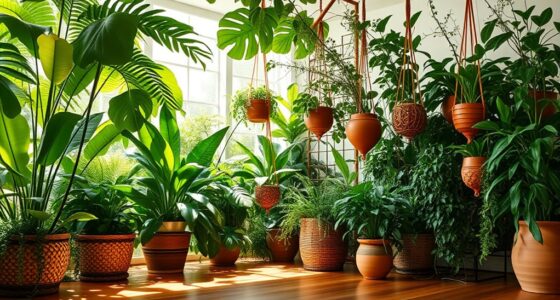
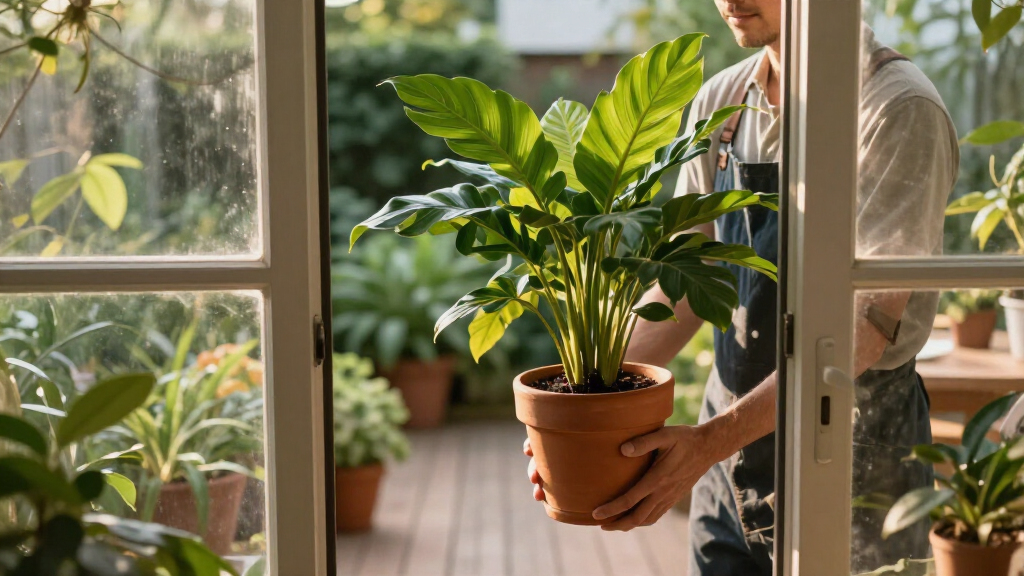
Country Living advises bringing most tropical houseplants indoors when nighttime temperatures begin falling into the 40s, or sooner if frost or a freeze is forecast. Its guidance recommends checking and treating pests, quarantining returning plants for at least three to four weeks, and adjusting light and watering as growth slows.
Country Living’s seasonal houseplant guidance says to bring most tropical plants indoors when nighttime temperatures begin dropping into the 40s°F, and sooner if frost or a freeze is forecast. The advice matters because cold-sensitive plants face outdoor temperature risks, while pests and reduced indoor light can create new problems after the move.
The report says many common houseplants, including snake plants, money trees and cast-iron plants, are tropical in origin and do not tolerate cold well. It recommends using nighttime temperatures as a cue: some plants may react poorly even to temperatures in the 50s, and plants should be brought inside if a freeze is expected.
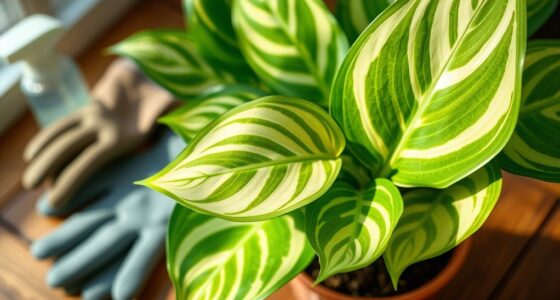
Before moving pots indoors, the article advises inspecting both sides of leaves and stem joints for signs such as mealybugs, spider mites, scale and sticky honeydew. It recommends rinsing foliage with a hose and, for visible infestations, treating and rechecking plants after seven to 10 days, depending on the pest. Insecticidal soap or neem oil are options mentioned by the report, with a reminder to follow product labels because some plants may be damaged by them.
Other steps include flushing the soil to dislodge unwanted insects, pruning some tropical plants by about one-quarter to one-third, and repotting root-bound plants in a container about two inches wider. The report also recommends keeping returning plants apart from established indoor plants for at least three to four weeks, checking weekly or every 10 days for pests.
Cold Nights Change Plant Care
Moving plants inside protects cold-sensitive species from falling temperatures, but the change also reduces their access to light and alters how quickly their soil dries. The report says even a bright indoor window provides less intense light than outdoor conditions, including shade or partial shade.
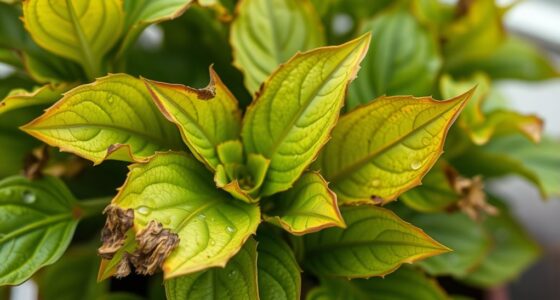
That shift can lead to yellow leaves and leaf drop. Country Living says many plants recover within a few weeks as they adjust, while suggesting an LED grow light for prized plants that need additional light. Indoor conditions also make pest inspection relevant: insects that were difficult to spot outdoors may become apparent after plants are brought inside.
As an affiliate, we earn on qualifying purchases.
From Summer Outdoors to Winter Indoors
The guidance addresses plants that spent summer outdoors for more light and warmth and now need to return indoors as cold weather approaches. It frames the move as a selection as well as a care decision: the report suggests composting plants that are struggling or taking a cutting from an oversized or leggy plant rather than bringing every pot inside.
Space and light are practical constraints. The report identifies east-, west- or south-facing windows as stronger options for winter light and says north-facing windows do not provide adequate winter sunlight. It advises assessing available space before bringing plants in, since a plant needs suitable conditions as well as a place indoors.
“When nighttime temperatures begin to drop into the 40s, it’s time to bring them back indoors.”
— Country Living report
Each Plant Adjusts Differently
The supplied report does not give a publication date or identify the source of its recommendations. It also does not specify a single temperature that suits every species: it says some plants dislike temperatures in the 50s, while giving the 40s as a general cue for bringing plants in.
The time a plant needs to adjust, the amount of supplemental light it may need and its tolerance for pest treatments can vary. The report says many plants recover within a few weeks, but does not offer a guarantee or species-by-species schedule.
Monitor Plants Through Winter
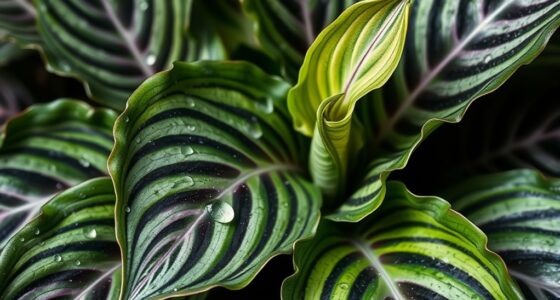
After moving plants inside, check them weekly for pests and inspect the soil before watering. Keep newcomers quarantined for at least three to four weeks, and watch for yellowing leaves or leaf drop as they adjust to lower light.
Most plants slow their growth in winter, so the report says fertilizer is typically unnecessary. It identifies plants kept under LED grow lights as a possible exception because they may continue producing new growth. The immediate next cue for outdoor plants is the forecast: bring them in as nighttime temperatures approach the 40s, and do not wait if frost or a freeze is expected.
Key Questions
When should I bring houseplants indoors?
Country Living advises bringing most tropical houseplants inside when nighttime temperatures begin falling into the 40s°F. Bring them in sooner if frost or a freeze is forecast; some plants may react poorly to temperatures in the 50s.
How long should I keep outdoor plants separate from indoor plants?
The report recommends quarantining returning plants for at least three to four weeks and checking them weekly or every 10 days for signs of pests.
Should I water houseplants the same way indoors?
No. The report says to check the soil before watering and allow plants time to adjust to indoor conditions. It advises against keeping the soil consistently saturated.
Do houseplants need fertilizer during winter?
Most plants slow their growth during winter, so the report says fertilizer is usually unnecessary. Plants growing under LED lights may be an exception if they continue producing new growth.
Source: rss
Fall yard work Picks
leaf blowers
As an affiliate, we earn on qualifying purchases.