
TL;DR

Get garden gear delivered free with Prime
- Fast, free delivery on millions of items
- Prime Video, Amazon Music and more included
- Member-only deals all year
Gardening Know How has highlighted black chokeberry (Aronia melanocarpa) as a native alternative to burning bush, with red-to-burgundy autumn foliage, flowers and dark berries that attract birds. The article says burning bush is considered invasive in many states, but local suitability and cultivar details for chokeberry should be checked before planting.
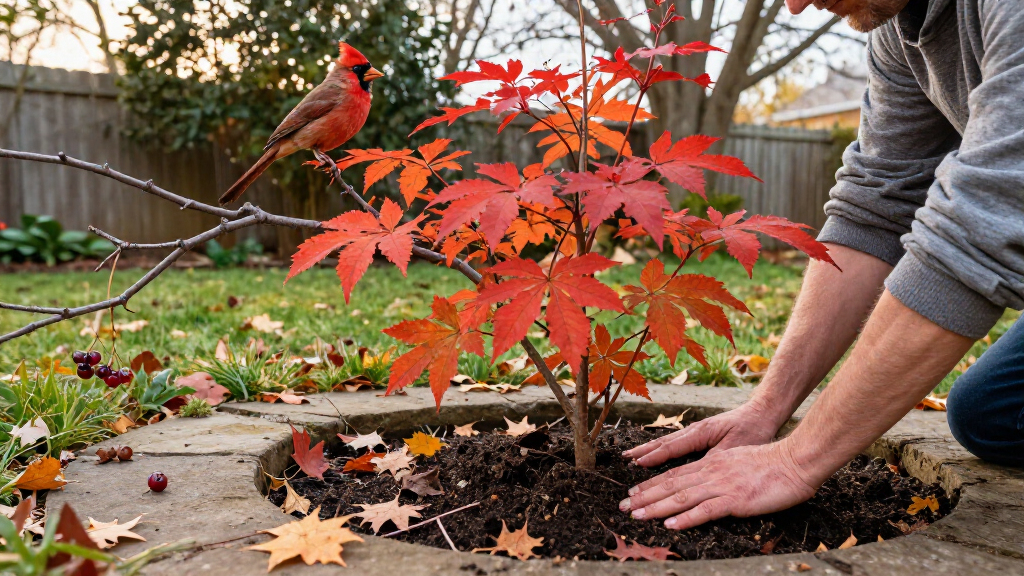
Gardening Know How has recommended black chokeberry (Aronia melanocarpa) as a native alternative to burning bush, pointing to its crimson-to-burgundy fall foliage, white flowers and berries eaten by birds including cardinals. The report presents it as an option for gardeners seeking autumn color while avoiding a shrub that it says is considered invasive in many states.
The report describes black chokeberry as a shrub native to eastern North America that commonly grows about 3 to 6 feet tall and wide. Its compact size can suit mixed borders, native plantings and wildlife-friendly gardens where a larger shrub may not fit. The foliage is described as turning red to burgundy in fall.
Unlike burning bush, which the report characterizes as being grown mainly for its foliage and shape, chokeberry offers seasonal features beyond autumn color. It produces white flowers and dark berries; the article says the fruit attracts cardinals, waxwings, finches, robins and other birds. It also says the flowers draw pollinators and other insects.
Gardening Know How says the shrub can grow in full sun to partial shade, tolerates a range of soil conditions and is generally hardy in USDA zones 3 through 8. It advises readers to check the needs of a particular cultivar and whether it suits their local climate. Once established in an appropriate spot, the plant generally needs limited maintenance, according to the report, with pruning as needed to manage its shape.
A Native Option With More Than Fall Color
The recommendation speaks to a practical choice for gardeners: how to get strong autumn color without relying on a shrub the report says is invasive in many states. Burning bush can escape cultivation and spread into natural areas, where it may compete with other plants, according to Gardening Know How. The article does not identify particular states or provide a state-by-state assessment, so gardeners should check local guidance before deciding whether burning bush is a concern in their area.
Black chokeberry may offer several garden functions in one planting: fall foliage, flowers and fruit. Its berries can provide food for birds, including cardinals, while its flowers attract insects. Those features make it relevant to readers planning a garden for seasonal interest as well as local wildlife, though the report does not quantify the shrub’s effects on bird populations or pollinators.
The plant’s stated size and broad light and soil tolerance could also make it an option for a range of residential settings. Those general characteristics are not a guarantee of success in every garden: local conditions, cultivar differences and establishment needs still matter.
Products Worth Considering

Philips Hue Large Smart Light Tube, Black – White and Color Ambiance LED Color-Changing Light – 1 Pack

Bose SoundLink Flex Bluetooth Speaker (2nd Gen), Portable Waterproof Speaker, Black

Sonos Era 100 SL Compact Microphone-Free Speaker, Black
As an affiliate, we earn on qualifying purchases.
Burning Bush and the Native Alternative
The Gardening Know How article frames chokeberry as an alternative to burning bush, a familiar ornamental shrub grown for its fall foliage. It argues that gardeners can seek comparable seasonal color from a native species while gaining flowers and bird-attracting fruit. This is the article’s gardening recommendation, not a formal comparison of the two shrubs’ performance in controlled trials.
The report names black chokeberry as a species native to eastern North America and gives a typical size of 3 to 6 feet in both height and spread. It also mentions named commercial cultivars, including Viking Black Chokeberry and Low Scape Mound, but does not provide detailed comparisons among them. Its hardiness guidance—generally USDA zones 3 to 8—is presented alongside a reminder to confirm the requirements of the selected cultivar.
For pruning, the article advises following the “Three Ds” rule when needed: removing dead, damaged or diseased growth. It does not give a detailed planting calendar, watering schedule or cultivar-specific care instructions.
““black chokeberry (Aronia melanocarpa)””
— Gardening Know How
Local Suitability Needs Checking
The supplied report does not state its publication date, identify which states classify burning bush as invasive, or link to a state-by-state list. The claim should not be read as applying uniformly across the country; gardeners can consult local extension services or invasive-species authorities for regional advice.
The report also does not specify the conditions behind its size, flowering or fruiting descriptions, or compare chokeberry directly with burning bush in trials. Individual cultivars may differ, and the article itself advises checking cultivar requirements and local climate suitability. It gives no details on berry abundance, the timing of fruit availability or how reliably birds will feed on a shrub at a particular site.
Check Cultivar and Regional Guidance
Readers considering black chokeberry can confirm their USDA hardiness zone, compare the mature size and care needs of available cultivars, and ask a local nursery or extension service whether the plant suits their site. Gardeners concerned about burning bush can check regional invasive-plant guidance before planting or removing it.
The source material does not announce a study, policy change or scheduled follow-up. The immediate next step for readers is practical rather than a new development: verify local recommendations and cultivar details before making a planting decision.
Key Questions
What shrub does Gardening Know How recommend instead of burning bush?
The report recommends black chokeberry (Aronia melanocarpa), a shrub native to eastern North America.
Does black chokeberry attract cardinals?
According to Gardening Know How, its dark berries attract cardinals, along with waxwings, finches, robins and other birds. The report does not quantify how often birds visit or how much fruit they eat.
How large does black chokeberry grow?
The article gives a typical size of about 3 to 6 feet tall and wide. Actual size may depend on cultivar and growing conditions.
What growing conditions does the report list?
It says black chokeberry grows in full sun to partial shade, tolerates a range of soil conditions and is generally hardy in USDA zones 3 to 8. It recommends checking cultivar requirements and local suitability.
Is burning bush invasive everywhere?
The report says burning bush is considered invasive in many states, not all states. It does not list those states, so check local invasive-species guidance for your area.
Source: rss