
TL;DR
November is a time for light maintenance on apple trees, not a full pruning. Remove dead or damaged wood, clear fallen fruit and leaves, check for pests, and protect trunks where needed. The main prune is generally done in late winter, after the worst cold and before new growth begins.
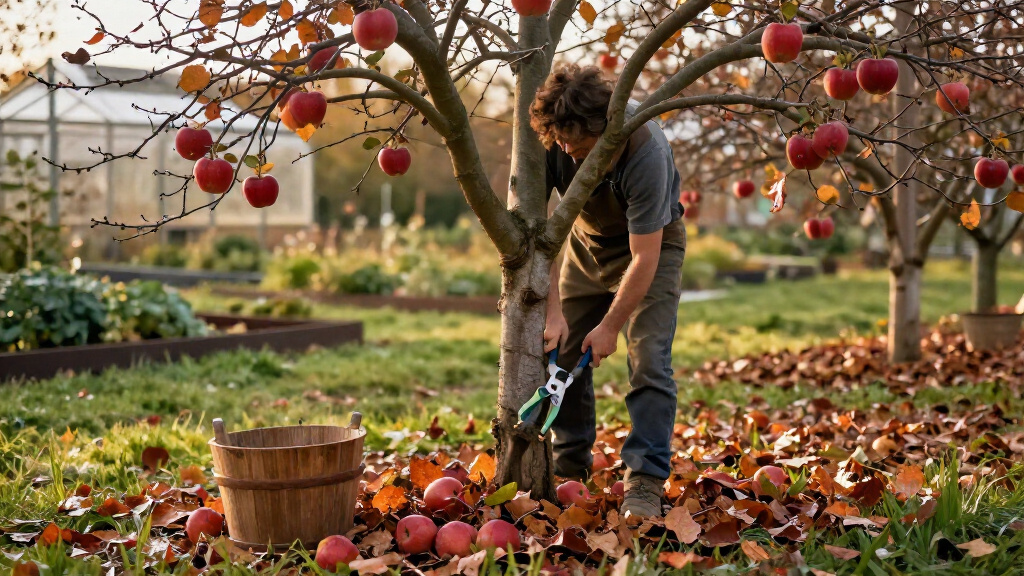
Garden experts advise apple-tree owners to use November for a light tidy-up rather than a full prune, removing dead or damaged branches, clearing fallen fruit and leaves, and checking for pests before winter. The guidance, published by Ideal Home, says the main pruning is usually best left until late winter, when the harshest cold has passed but the tree has not yet begun growing again.

Get garden gear delivered free with Prime
- Fast, free delivery on millions of items
- Prime Video, Amazon Music and more included
- Member-only deals all year
Julian Palphramand, head of plants at British Garden Centres, says November is early for a proper prune, but some maintenance is worthwhile. With leaves down, dead, diseased or damaged branches are easier to spot and remove. Gardeners should keep the work selective: cutting too much can prompt vigorous upright growth, known as watershoots, which may crowd the tree and affect future fruit production.
Where a branch grows into the canopy or crosses and rubs against another, Victoria Parkinson, a garden expert at Arctic Cabins, recommends removing the less well-placed branch and retaining one that grows outward. The aim is an open canopy that allows light and air through. The report stresses that this November work should not become a drastic haircut; exact pruning needs can vary with the tree’s condition and shape.
Autumn cleanup is another recommended task. Lucie Bradley of Harvst Automatic Watering advises removing remaining apples and fallen fruit, then clearing leaves around the tree. Decaying fruit can attract pests, while leaf litter may harbour pests or fungal spores. The report recommends putting potentially affected leaves in garden waste rather than a home compost heap. Gardeners can also inspect for signs of codling moth, woolly aphids and winter moth, and consider a grease band or barrier glue to impede winter moths climbing the trunk.
Small November Tasks, Lower Winter Risks
These steps address problems that can carry into the next growing season: damaged branches can be removed while visible, leftover fruit and leaf litter can be cleared, and trunk barriers may limit some pests’ access. The advice is especially relevant for gardeners deciding whether to prune now. Restricting work to a tidy-up helps avoid encouraging tender new growth ahead of cold weather, while a later main prune allows the tree to be shaped during dormancy.
The recommendations are practical, not a guarantee of a bumper crop. Fruit production depends on factors beyond November care, including the tree’s health, weather and pollination. The report presents these jobs as ways to support a healthy structure and reduce potential sources of pest and disease problems, not as a promised harvest result.
Products Worth Considering

eufy Security eufyCam C35 4-Camera Kit

Dyson V8 Cyclone Cordless Vacuum

Coway Airmega 250S WiFi Air Purifier for Large Rooms
As an affiliate, we earn on qualifying purchases.
Why Late Winter Is the Main Pruning Window
The Ideal Home report distinguishes between removing clearly dead, diseased or damaged wood when noticed and undertaking a substantial structural prune. Palphramand says the usual window for the latter is late winter, after the worst cold but before growth resumes. Lance Russell, a horticultural expert at Thompson & Morgan, warns that early-autumn pruning can encourage tender growth that may be damaged by winter conditions.
November also offers better visibility after leaves fall, making it easier to identify inward-growing, crossing or rubbing branches. For pest prevention, Bradley says late October and early November, as a tree enters dormancy, are suitable times to apply a grease band or tree barrier glue around the trunk. The report also notes that deer can damage bark by rubbing against trunks; plastic or wire-mesh guards are suggested where deer are a local concern.
“November’s a bit early for a proper prune on an apple tree; the usual time is late winter, once the worst of the cold is over but before the tree starts growing again. That said, there are a few jobs worth doing now.”
— Julian Palphramand, head of plants at British Garden Centres
Tree Condition Determines the Work
The report does not give a one-size-fits-all pruning plan or specify how much wood every tree should lose in November. The right approach depends on the tree’s age, condition and existing shape. Its advice on pests is preventative: a grease band may help impede winter moths, but the report does not claim it will prevent all pest damage. Nor does it quantify how these jobs affect the size of next year’s harvest.
Local weather and pest pressure also vary. The report does not provide a regional calendar or confirm whether a particular tree has an active infestation. Gardeners who see extensive disease or damage may need advice tailored to the tree rather than relying on general seasonal guidance.
Keep November Work Selective
For now, inspect the tree, remove only clearly dead, diseased or damaged wood, and avoid a heavy prune. Clear fallen apples and surrounding leaf litter, check the trunk and branches for pest signs, and consider a suitable physical trunk barrier where winter moths or deer are a concern. Recheck the tree through winter, then plan any substantial pruning for late winter, before spring growth starts.
Key Questions
Should I prune my apple tree in November?
November is generally for light maintenance, not a full prune. Remove dead, diseased or damaged branches when needed, and leave substantial pruning until late winter, after the harshest cold and before growth resumes.
What should I clear from around the tree?
Remove fallen apples and rake up leaves around the base. The report says decaying fruit can attract pests and leaf litter may harbour pests or fungal spores; it advises putting potentially affected leaves in garden waste rather than a home compost heap.
Do grease bands protect apple trees from every pest?
No. The report describes grease bands or barrier glue as physical barriers intended to help stop winter moths climbing the trunk to lay eggs. They are not presented as protection against all pests.
Will November care guarantee a bumper apple harvest?
No harvest is guaranteed. These tasks may support tree health and reduce some winter risks, but fruit production also depends on conditions such as weather, pollination and the tree’s overall health.
Source: idealhome.co.uk