TL;DR

Get garden gear delivered free with Prime
- Fast, free delivery on millions of items
- Prime Video, Amazon Music and more included
- Member-only deals all year
Gardening Know How describes a simple way to check moisture in a houseplant’s root zone: insert a clean, untreated wooden chopstick into the pot and inspect it after about 30 seconds to a minute. A damp or soil-coated stick suggests moisture at that depth, but the result is only one clue; plant needs, soil type and other signs still matter.
Gardening Know How has outlined a low-cost chopstick test for checking moisture below the surface of houseplant soil, where a finger test may not reach. The report says a clean, untreated wooden stick can offer a rough reading of moisture in the root zone, but it is not a precise meter or an automatic signal to water.
To try the method, use a clean, dry, untreated wooden chopstick or bamboo skewer. Push it into the potting mix between the plant’s stem and the pot’s rim, aiming toward the root zone. If it meets resistance, the report advises easing off and trying another spot rather than forcing it through roots. Leave the stick in place for about 30 seconds to a minute, then pull it out slowly and inspect its length.
According to the report, damp wood may look darker and have soil particles clinging to it. A pale, mostly clean stick suggests the mix is dry at the depth tested. A dark or soil-coated section near the bottom can indicate that deeper soil remains wet, even when the surface looks dry. The test works because bare wood absorbs moisture; lacquered or painted chopsticks may not show the same change, while plastic sticks do not absorb water.
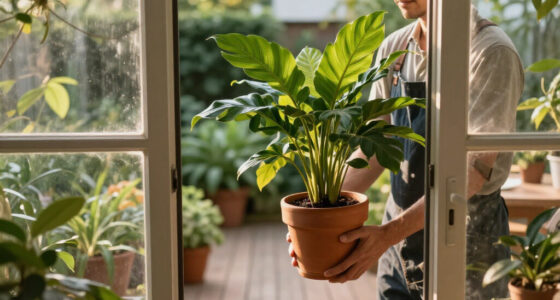
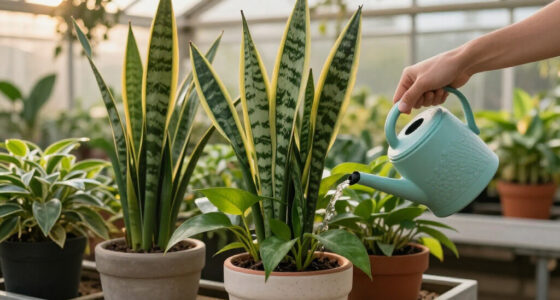
The reading needs to be interpreted in light of the plant. The report says peace lilies generally need more consistently moist soil than pothos, while snake plants and succulents can usually go longer between waterings. It also cautions that a dry reading is not, by itself, a universal instruction to water. Each plant’s preferred moisture level differs, and the chopstick only indicates conditions where it was inserted.
A Check Below the Soil Surface
The method addresses a common source of watering errors: the surface of a pot can dry before its deeper soil. A finger typically checks only the upper layer, so a dry surface does not establish that the root zone needs water. A simple stick can provide another point of information without buying a moisture meter.
The timing matters for some indoor growers. Gardening Know How says shorter days and weaker fall light can slow plant growth, leaving soil wet longer than it might during summer. Roots left in soggy potting mix can lack the air they need, and prolonged wetness can contribute to rot. Checking deeper soil may help people avoid watering solely by habit, though the report does not present the trick as a guarantee against plant problems.
Its practical value is modest but clear: it offers a quick, inexpensive check that can be paired with observation. Pot weight, drainage, leaves and the plant’s watering preferences can help make sense of what the stick shows.
Products Worth Considering

Dyson Omni-Glide Cordless Stick Vacuum, Gold/Iron

Google Nest Learning Thermostat (3rd Gen), Stainless Steel, with 3 Temperature Sensors and elago Wall Plate

Philips Hue Festavia Outdoor Globe String Lights, 8 Bulbs, 22 ft
As an affiliate, we earn on qualifying purchases.
Why Surface Checks Can Mislead
The Gardening Know How report describes how a pot may appear dry on top while remaining damp below. That mismatch is more likely to matter in deeper containers, where the surface and root zone can dry at different rates. A regular watering schedule can also fail to reflect changing conditions: the report notes that soil may stay wet longer when seasonal light levels fall and growth slows.
The article mentions soil moisture meters and a leave-in indicator as other options, but frames the chopstick as a simple alternative. It also draws a distinction between plant types: peace lilies, pothos, snake plants and succulents do not share one watering threshold. The same stick reading can lead to different decisions depending on the plant.
“A damp chopstick generally means there’s still water down there, and a clean, dry one suggests the mix has dried out at the depth you tested.”
— Gardening Know How
Limits of the Chopstick Reading
The method provides a qualitative indication, not a measured moisture level. The report does not specify a standardized depth or a threshold that applies across pot sizes and plant species, so users must judge the result alongside the plant’s needs. It also does not cite controlled testing comparing chopstick readings with a moisture meter.
The report says the test can be unreliable in chunky orchid bark and very coarse mixes, where moisture may sit inside material that does not cling to the stick. Rootbound plants can also make insertion difficult, and water may run down the sides of a pot instead of soaking evenly. In those cases, a clean-looking stick may not settle whether the plant needs water. How often to water will still vary with the species, container, mix and growing conditions.
Pair the Test With Plant Care
The report advises using the chopstick alongside other checks rather than following a fixed calendar. A grower can compare a pot’s weight after watering with its weight as it dries, inspect the leaves, and confirm that the container drains freely. If a stick hits a dense root area, the advice is to withdraw it and try another location rather than force it in.
For readers trying the tip, the next step is to check the plant’s particular watering preferences and use a dry, plain wooden stick at a suitable point in the pot. The report gives no formal testing schedule or follow-up study; its guidance is presented as a household technique, with the limits of the potting mix and the plant left for the grower to assess.
Key Questions
How does the chopstick test work?
Insert a clean, dry, untreated wooden stick into the potting mix, leave it for about 30 seconds to a minute, then pull it out. Darkened wood or soil clinging to it can indicate moisture at that depth.
Does a dry chopstick mean I should water right away?
No. A clean stick suggests the mix is dry where it was inserted, but watering needs differ by plant. Check the species’ preferences and consider the pot and growing conditions before watering.
Can I use a painted chopstick or a plastic stick?
The report recommends plain wood. Lacquer or paint can keep the stick from darkening, while plastic does not absorb water and may show only soil that happens to stick to it.
When might the test give a misleading result?
It may be less useful in chunky orchid bark or very coarse mixes, where moisture does not cling to the stick, and in rootbound pots where insertion is difficult. The report suggests using other checks as well.
Source: gardeningknowhow.com