TL;DR

Get garden gear delivered free with Prime
- Fast, free delivery on millions of items
- Prime Video, Amazon Music and more included
- Member-only deals all year
A Country Living report cites horticulturist Justin Hancock on how to spot possible low-light stress, including slow growth, long spaces between leaves and a lack of blooms. Window direction, obstructions and seasonal changes affect indoor light; a shadow test or light meter can help, but one reading does not show a full day’s exposure.
A Country Living report offers signs and simple tests to help people judge whether their houseplants are getting enough indoor light, citing horticulturist Justin Hancock. The guidance matters because inadequate light can limit growth gradually, without the sudden visible symptoms that often accompany missed watering.
Hancock, Costa Farms’ director of research and development and horticultural content, says light supports every aspect of plant growth and that many houseplants receive less than they would prefer. He cautions that low-light effects may take time to show. A plant that remains alive is not necessarily thriving in its current location.
Possible signs include very slow growth, a flowering plant that does not bloom, and leggy growth. Long gaps between leaves, known as internodes, can mean a plant is stretching toward light, Hancock says. These signs can point to insufficient light, but the report does not present them as a definitive diagnosis or rule out other causes.
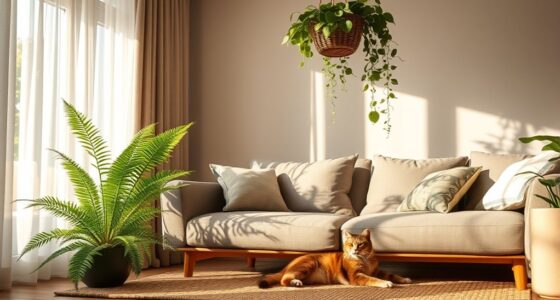
Window direction provides a starting point, not a guarantee. In the Northern Hemisphere, north-facing windows generally receive the least light; east-facing windows get morning light, west-facing windows can receive strong afternoon sun, and south-facing windows tend to receive the most light over the day. Window size, curtains or screens, outdoor obstructions and location also affect how much light reaches a plant.
Why Indoor Light Is Easy to Misjudge
Light exposure changes with the time of day and season. Fall and winter bring fewer daylight hours, and Hancock says winter sunlight is less intense. Cloudy weather can reduce it further. A bright patch at noon therefore may not mean a plant receives strong light throughout the day.
That can make plant care decisions harder: owners may assume a plant is doing well because it has not wilted or visibly declined. The report’s practical takeaway is to watch the pattern of growth over time and consider the plant’s position, rather than relying on a quick glance at a sunny room.
Plant labels also require care in interpretation. Hancock says a “low light” designation may describe the minimum light a plant can tolerate, not the conditions in which it will grow best. A plant can survive in a dim spot without flourishing there.
Products Worth Considering
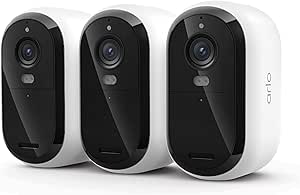
Arlo Essential Wireless Security Camera 2K (3rd Gen), 3-Camera Set with Yard Sign

Samsung 43-Inch M70H Series 4K Mini LED Smart TV (2026)

Philips Hue Festavia 65-Foot Smart LED String Lights, 250 Color-Changing Mini LEDs
As an affiliate, we earn on qualifying purchases.
Window Exposure and Light Tests
The report describes a basic shadow test: place an object where the plant would sit and look at its shadow at different times. No visible shadow suggests low light; a faint shadow suggests medium light; and a sharply defined, high-contrast shadow suggests bright light. It is a rough guide, not a complete measurement of daily exposure.
A light meter or phone app can provide another estimate. Dedicated meters report readings in foot-candles, which can be compared with guidance for a specific plant. Hancock cautions that a meter records light at one point in time, so readings at different times may be needed to understand changing conditions.
Direct sunlight means the sun’s rays fall on the plant; indirect light has been filtered, for example by a curtain, or reduced by distance from the window. Some plants tolerate direct sun, but Hancock recommends increasing exposure gradually—starting with about an hour a day and adding time—because an abrupt move into strong sun can cause sunscald.
“Light fuels every aspect of plant growth, so it’s the most important thing to get right.”
— Justin Hancock, Costa Farms director of research and development and horticultural content
What a Quick Test Cannot Show
The report provides no universal light threshold for all houseplants. Needs vary by plant, and the shadow test gives only a broad estimate. A meter reading is also limited to one location and one moment; the supplied material does not specify a testing schedule or readings for individual species.
Slow growth, legginess or absent blooms may suggest a light problem, but the report does not establish that low light is the only possible cause. It also does not provide plant-specific diagnosis or a guarantee that moving a plant will resolve poor growth. The right exposure depends on the species and the conditions in the room.
Adjust Exposure Gradually
For a plant that appears to be struggling, Hancock recommends considering a spot with more natural light, while accounting for window direction, coverings and outdoor shade. Owners can compare conditions in several parts of a room and observe them at different times rather than making the decision from midday brightness alone.
Where natural light is limited, the report says LED grow lights are an option; modern products are available without the conspicuous pink or blue-white glow associated with some older lights. The report gives no specific product recommendations or prescribed light duration. Any move into direct sun should be gradual, with the plant monitored for signs of sun damage.
Key Questions
What are common signs a houseplant may not get enough light?
Slow growth, long gaps between leaves and a flowering plant that does not bloom can be signs of low light, according to horticulturist Justin Hancock. They are indicators, not a diagnosis on their own.
Does a low-light label mean a plant prefers a dark room?
Not necessarily. Hancock says a low-light label may refer to the minimum light the plant can tolerate, rather than the amount that helps it thrive.
How does the shadow test work?
Place an object where the plant would sit and observe its shadow at different times. No shadow suggests low light, a faint one suggests medium light, and a sharply defined shadow suggests bright light. The test is approximate.
Can I move a plant straight into a sunny window?
Some plants tolerate direct sunlight, but Hancock advises building exposure gradually, starting with about one hour a day and increasing it over time. A sudden move into strong sun can cause sunscald.
Are grow lights an option for a dark room?
Yes. The report says LED grow lights can support plants where natural light is limited. It does not give a specific schedule or product recommendation, so requirements depend on the plant and the light used.
Source: countryliving.com