
TL;DR

Get garden gear delivered free with Prime
- Fast, free delivery on millions of items
- Prime Video, Amazon Music and more included
- Member-only deals all year
Interest is spiking in a long-established fall gardening method for ripening green tomatoes off the vine as temperatures drop. The technique itself is standard horticultural practice, but what specifically drove the current wave of coverage is unconfirmed.
As the fall season ends tomato harvests across cooler regions, searches and article coverage about a simple technique for ripening green tomatoes off the vine are spiking, according to garden-topic metadata showing a sharp rise in related content. The method — bringing unripe tomatoes indoors and letting them finish ripening at room temperature — is long-established horticultural practice, not a new discovery, but its current surge in attention tracks with the time of year when gardeners face end-of-season frosts.
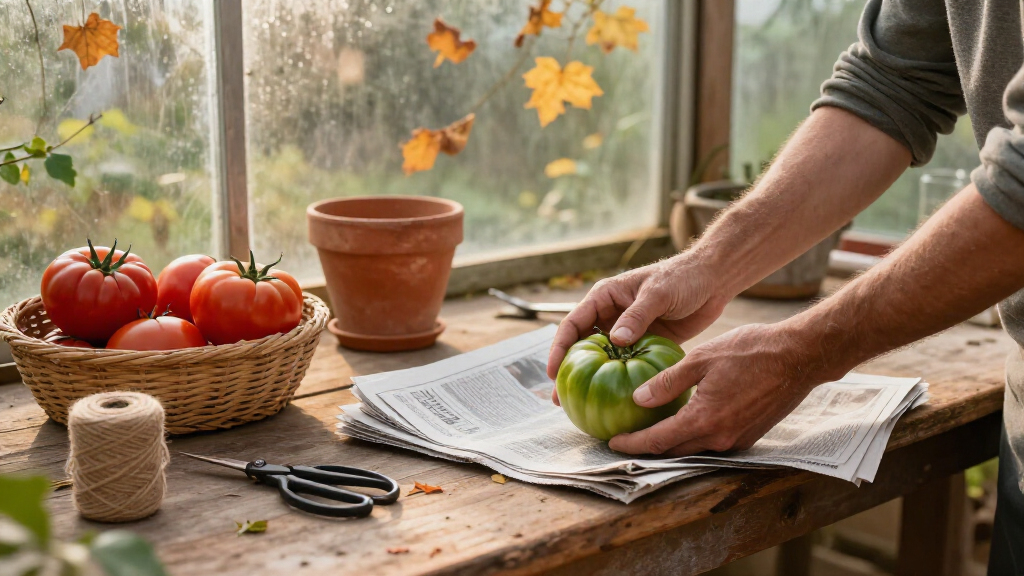
The technique at the center of the coverage is straightforward and well documented in standard gardening guidance. When frost threatens, gardeners pick unripe green tomatoes, discard any that are damaged or diseased, and place the intact ones in a single layer in a warm indoor spot, ideally around 65–70°F (18–21°C), out of direct sunlight. Tomatoes continue ripening after harvest because they produce ethylene gas naturally, and most undamaged green fruit will turn red over one to several weeks depending on variety and maturity.
Common variations described in gardening guidance include placing tomatoes in a paper bag or cardboard box with a ripening banana or apple, which releases additional ethylene and can speed the process. Extension-service advice generally recommends checking stored fruit regularly for rot, which can spread quickly among tomatoes stored in contact with one another. Fruit that has reached at least a mature green stage — full-sized and showing a slight lightening in color — is considered far more likely to ripen successfully than small, immature fruit.
What is confirmed at this point is limited: the metadata shows a marked increase in articles and reader interest around the topic “ripening the last green tomatoes” in the garden category. The underlying horticultural facts are long-settled and uncontroversial. What is not confirmed is any single triggering event — no new study, product launch, or expert announcement has been identified behind the spike.
Why Season-End Ripening Matters Now
For home gardeners, the technique has practical economic and food-waste value. A single frost can wipe out an entire late-season crop, and green tomatoes left on the vine after temperatures drop will not ripen. Bringing them indoors can convert fruit that would otherwise be lost into usable tomatoes weeks after the plant itself is finished. Extension services have promoted versions of this practice for decades because it requires no special equipment — only a paper bag, a box, and room-temperature storage.
The timing of the interest spike also matters as a signal of seasonal reader behavior. Searches for end-of-season garden topics reliably rise in early-to-mid fall in the northern hemisphere, and this wave of coverage fits that established pattern. It suggests ordinary seasonal demand rather than a response to any new development, though the exact trigger cannot be verified.
The Established Science Behind the Method
Tomatoes are climacteric fruit, meaning they continue to ripen after being picked, driven by ethylene gas production. This is why the paper-bag method works: enclosing fruit concentrates ethylene around it, and adding a banana or apple — both strong ethylene producers — accelerates the effect. Horticultural guidance has recommended this approach for generations, alongside alternatives such as wrapping individual tomatoes in newspaper for longer storage.
Seasonal context matters too. Tomato ripening on the vine slows substantially once night temperatures fall below roughly 55°F (13°C), so even before a first frost, fruit left outdoors often stalls. That is why late-season advice typically shifts from waiting for vine ripening to harvesting and finishing fruit indoors — the point at which the currently trending topic becomes immediately relevant to most gardeners in temperate climates.
What the Trend Data Cannot Confirm
The specific cause of the current spike in interest is unconfirmed. The available metadata shows only that garden-topic coverage of green-tomato ripening is rising; it does not identify a triggering article, weather event, viral post, or expert statement. It is plausible that an unusually early frost or a cold snap in part of the northern hemisphere drove gardeners to search for last-minute solutions, but no weather-related trigger has been verified in the available information.
Claims sometimes attached to this topic — such as exact ripening times, success rates, or assertions that every green tomato will ripen indoors — are not universally supported. Success depends heavily on whether fruit was picked at a mature green stage, on variety, and on storage conditions. Small, pale, immature fruit generally will not ripen regardless of method.
The Frost Countdown for Late Tomatoes
For gardeners in temperate regions, the practical next step is monitoring local first-frost dates and harvesting green tomatoes before temperatures drop below freezing, since frost-damaged fruit will not ripen and often rots quickly. Once fruit is indoors, the ripening process plays out over the coming weeks, and coverage of the topic will likely continue at elevated levels until first frosts pass across major growing regions.
Whether the interest spike reflects normal seasonal behavior or a specific weather-driven event may become clearer as regional harvest reports and search-trend data for the remainder of the fall season are published. No follow-up developments are confirmed at this time.
Key Questions
Will green tomatoes actually ripen after being picked?
Yes, if they have reached a mature green stage — full-sized with a slight color change — most tomatoes will ripen indoors at room temperature over one to several weeks. Small, immature fruit usually will not ripen.
Do tomatoes ripen faster in a sunny window?
Standard extension guidance says no — direct sun is not needed and can cause the fruit’s skin to toughen or spoil faster. A warm, dark or low-light spot around 65–70°F is generally recommended.
Does adding a banana really speed up ripening?
Yes, according to widely repeated horticultural guidance. Ripening bananas and apples release ethylene gas, which accelerates ripening in tomatoes stored in an enclosed bag or box with them.
How long do indoor-ripened tomatoes take to turn red?
Typically between several days and a few weeks, depending on the tomato’s maturity at harvest, the variety, and storage temperature. Checking stored fruit every few days for rot is advised, as spoilage can spread.
Is this technique new?
No. Indoor ripening of green tomatoes is decades-old standard practice recommended by university extension services. Only the current wave of online attention is new, and its specific trigger is unconfirmed.
Source: rss
Fall yard work Picks
leaf blowers
As an affiliate, we earn on qualifying purchases.