
TL;DR

Get garden gear delivered free with Prime
- Fast, free delivery on millions of items
- Prime Video, Amazon Music and more included
- Member-only deals all year
Amateur Gardening has highlighted seven plants and shrubs that can bring colour to persistently damp garden areas, from dogwood and astilbe to yellow flag iris. Its advice also covers limiting soil compaction, choosing coarse mulch and avoiding digging when ground is saturated.
Amateur Gardening has identified seven plants and shrubs suited to damp or boggy garden areas, offering colour options for gardeners dealing with soggy borders, pond edges and heavy soil. The report also advises avoiding foot traffic and digging on saturated ground to limit damage during wet spells.
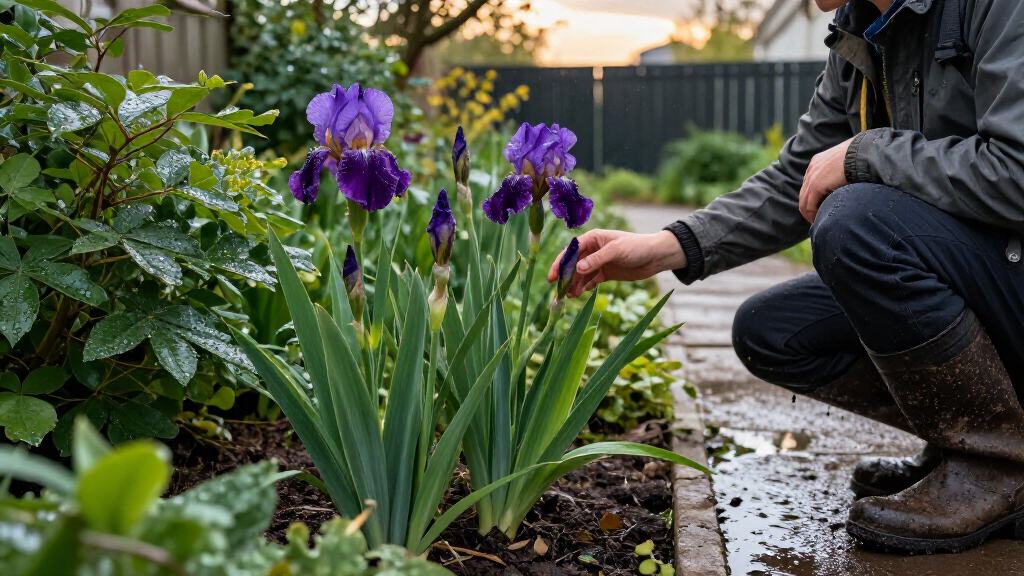
The seven selections are dogwood (Cornus), ninebark cultivar Physocarpus opulifolius ‘Diablo’, Ligularia dentata ‘Desdemona’, yellow flag iris, red bistort ‘Firetail’, astilbe and ragged robin. They offer a range of forms and colours, including dogwood’s red and orange stems, ‘Diablo’s deep-purple leaves, yellow iris flowers and the pink-red flower spikes of ‘Firetail’.
The plants do not all have identical needs. The report says dogwood tolerates heavy clay and damp soil and does best in full sun, while ‘Diablo’ prefers moist but well-drained soil and should not be placed where the ground becomes fully waterlogged. ‘Desdemona’ suits consistently moist, heavy soil and partial shade; astilbe prefers humus-rich soil that does not dry out. Yellow flag iris grows in water and wet ground, while ragged robin can handle boggy soil in a sunny position that stays moist.
For garden care, the report recommends keeping off waterlogged soil, avoiding extensive tilling in very wet weather, and leaving space around stems and trunks for air circulation. If gardeners mulch, it advises coarse materials such as wood chips or chunky bark rather than fine matter; mulch can be skipped during prolonged rain.
Colour for Persistently Damp Borders
The list gives gardeners options for areas where plants that prefer drier soil may struggle, including boggy corners and pond margins. Choosing plants suited to local moisture conditions can help maintain colour and structure in wet parts of a garden, rather than treating every damp patch as suitable for the same planting.
The recommendations also distinguish between plants that tolerate damp ground and those that can grow in standing water. That difference matters: the report specifically cautions against placing ‘Diablo’ where soil becomes fully waterlogged, even though it prefers moisture. Its soil-care advice focuses on reducing compaction and protecting roots when ground is saturated.
Products Worth Considering

Samsung 48 4K OLED Smart TV (2026) with WireLogic 8ft Ultra High Speed HDMI Cable

Dyson Airwrap i.d. Multi-Styler for Straight and Wavy Hair

Bose Lifestyle Ultra Compact Wireless Smart Home Speaker Bundle, Black
As an affiliate, we earn on qualifying purchases.
Matching Plants to Wet Soil
The source report frames its list around gardens affected by wet weather and soggy soil, while noting that not every plant needs to be wet-weather tolerant. It presents the seven choices as a way to add interest to damp borders, heavy-clay areas and pond edges, rather than as a general planting plan for an entire garden.
Several recommendations depend on conditions beyond moisture. The report links dogwood with sunny positions, ‘Desdemona’ and astilbe with shade or partial shade, and ragged robin with a sunny spot that does not dry out. It also recommends giving red bistort room to spread and dividing ragged robin every few years in spring. These are cultivation suggestions from the report, not guarantees that a plant will thrive in every wet garden.
“Avoid walking on waterlogged soil.”
— Amateur Gardening
Local Conditions Still Matter
The report does not provide a publication date or identify a specific location, rainfall event or weather forecast. Its reference to a potentially severe El Niño is not accompanied by a forecast source or timing in the supplied material, so it should not be read as confirmation that a particular garden will face unusually wet conditions.
Plant performance depends on local climate, drainage, light and soil conditions. The report gives general growing preferences, but does not specify how much standing water each plant can tolerate or how long saturated ground can persist before causing harm. Gardeners should distinguish moist soil from prolonged flooding and check local guidance for plants suited to their area.
Prepare Beds Before More Rain
Gardeners can first identify which areas stay damp, then match plants to their light and drainage conditions. During saturated periods, the report’s immediate steps are to stay off wet ground, avoid major digging, and keep air circulation around plant bases. If applying mulch, use coarse material and leave it out during prolonged rain.
The source does not announce a follow-up report or a specific planting deadline. Its advice points to continued observation of garden conditions: once the ground is workable, gardeners can assess where moisture-tolerant plants are appropriate and make seasonal care decisions based on local weather.
Key Questions
Which seven plants does the report recommend for wet gardens?
It lists dogwood, Physocarpus opulifolius ‘Diablo’, Ligularia dentata ‘Desdemona’, yellow flag iris, red bistort ‘Firetail’, astilbe and ragged robin.
Can all seven plants grow in standing water?
No. The report says yellow flag iris does well in water, but gives other plants different conditions. For example, ‘Diablo’ prefers moist, well-drained soil and should be kept away from areas that become fully waterlogged.
What should gardeners avoid doing when soil is waterlogged?
Amateur Gardening advises avoiding foot traffic and extensive digging or tilling, which can damage soil structure or roots. It also recommends leaving space around stems and trunks for air circulation.
Is yellow flag iris safe around pets?
The report says yellow flag iris is toxic to humans, livestock and pets if consumed. Keep it out of reach where possible and seek veterinary or medical advice if ingestion is suspected.
Source: amateurgardening.com