
TL;DR

Get garden gear delivered free — and shop member deals
- Fast, free delivery on millions of items
- Access to Prime Big Deal Days deals on October 6–7
- Prime Video, Amazon Music and more included
Multiple water companies across the UK have announced hosepipe bans as a response to ongoing drought conditions. The bans restrict outdoor water use to conserve supplies. The situation remains ongoing, with further restrictions possible if conditions worsen.
Several water companies across the UK have announced hosepipe bans effective immediately, as a response to ongoing drought conditions caused by a lack of rainfall. The bans are aimed at conserving water supplies and prevent further depletion amid prolonged dry weather, which authorities warn could worsen if rainfall remains scarce. This development affects millions of households and businesses, raising concerns about water security during the summer months.
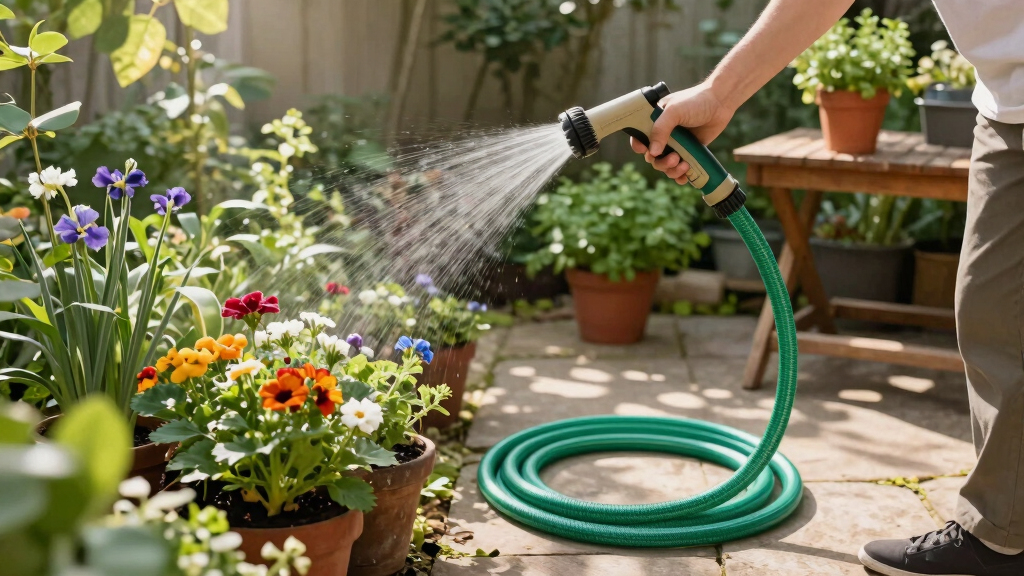
Water companies including Anglian Water, Thames Water, and Southern Water have confirmed the implementation of hosepipe bans in their respective regions. The restrictions prohibit outdoor water use such as watering gardens, filling swimming pools, and using sprinklers. These measures are being introduced as a precaution amid reports of historically low river levels and reservoir storage. According to the Environment Agency, rainfall in parts of the UK has been significantly below average for several months, leading to declining water levels.
Officials from water companies have emphasized that the bans are necessary to protect water supplies and prevent more severe restrictions or shortages later in the year. The bans are expected to remain in place until rainfall improves and reservoir levels recover. Customers are advised to use water sparingly and follow the specific guidelines issued by their providers. Some regions, such as eastern England and parts of southern England, are experiencing the most severe restrictions.
Impacts of Hosepipe Bans on Daily Life and Water Security
The introduction of hosepipe bans highlights the severity of the ongoing drought affecting the UK, with potential implications for water security, agriculture, and daily life. For households, restrictions mean changes in outdoor water use, which could impact gardening, lawn care, and recreational activities. For businesses, particularly those in agriculture and landscaping, the bans could lead to operational challenges and financial losses. Environmentally, the bans aim to prevent river and reservoir depletion, helping to sustain ecosystems that rely on consistent water flow. The measures also reflect broader concerns about climate variability and the need for sustainable water management.
As an affiliate, we earn on qualifying purchases.
Recent Drought Conditions and Historical Water Restrictions
The UK has experienced below-average rainfall over the past several months, leading to critically low river and reservoir levels in many regions. The Environment Agency has issued multiple drought alerts, and some areas have declared drought status, prompting water companies to act. Historically, hosepipe bans are typically implemented during dry periods to prevent water shortages, with previous restrictions occurring during the summers of 2018 and 2022. Experts warn that climate change could increase the frequency and severity of such droughts, necessitating long-term water conservation strategies.
“The hosepipe ban is a necessary step to protect water supplies during this period of low rainfall. We urge customers to use water wisely and follow the guidelines.”
— Anglian Water spokesperson
Uncertain Duration and Future Restrictions
It is not yet clear how long the hosepipe bans will remain in place, as they depend on weather conditions and rainfall recovery. Authorities have indicated that restrictions could be lifted if significant rainfall occurs, but if dry conditions persist, additional measures or extended bans may be necessary. The potential for further restrictions on other water uses remains under consideration, depending on the severity of the drought and reservoir levels.
Monitoring Weather and Water Levels for Future Decisions
Water companies and environmental agencies will continue to monitor rainfall, river flows, and reservoir levels over the coming weeks. Authorities have stated that they will review the bans regularly and provide updates to the public. The focus will be on encouraging water conservation and preparing for potential extended restrictions if drought conditions worsen. Citizens are advised to stay informed through official channels and adhere to water-saving guidelines.
Key Questions
How long will the hosepipe bans last?
The duration of the bans depends on weather conditions and water levels. They will likely remain until rainfall improves and reservoirs are replenished, but specific timelines are uncertain at this stage.
What activities are prohibited under the hosepipe ban?
The bans typically restrict outdoor water use such as watering gardens, filling swimming pools, using sprinklers, and cleaning vehicles with hosepipes. Exact restrictions may vary by region.
Are there any exemptions to the hosepipe bans?
Some essential activities or commercial uses may be exempt, but most outdoor water use is restricted. Customers should check with their water provider for specific guidelines.
Could the bans be extended or expanded?
Yes, if drought conditions persist or worsen, authorities may extend current bans or introduce additional restrictions on other water uses.
What can I do to help conserve water during this period?
Use water efficiently by watering plants early or late in the day, avoiding unnecessary outdoor watering, fixing leaks, and using water-saving devices.
Source: google-trends
Fall yard work Picks
leaf blowers
As an affiliate, we earn on qualifying purchases.