
TL;DR

Get garden gear delivered free with Prime
- Fast, free delivery on millions of items
- Prime Video, Amazon Music and more included
- Member-only deals all year
This article highlights the seven best fall-flowering clematis vines, emphasizing their bloom duration, ease of care, and suitability for various garden conditions. These varieties provide vibrant, fragrant, and long-lasting blooms, making them ideal for late-season garden color.
Seven standout clematis varieties are recommended for gardeners seeking long-lasting fall blooms and easy maintenance. These vines provide vibrant, fragrant, and abundant flowers from late summer into early winter, making them essential for enhancing garden color during the late season. Experts highlight their ease of pruning and versatility across different garden conditions, ensuring reliable performance year after year.
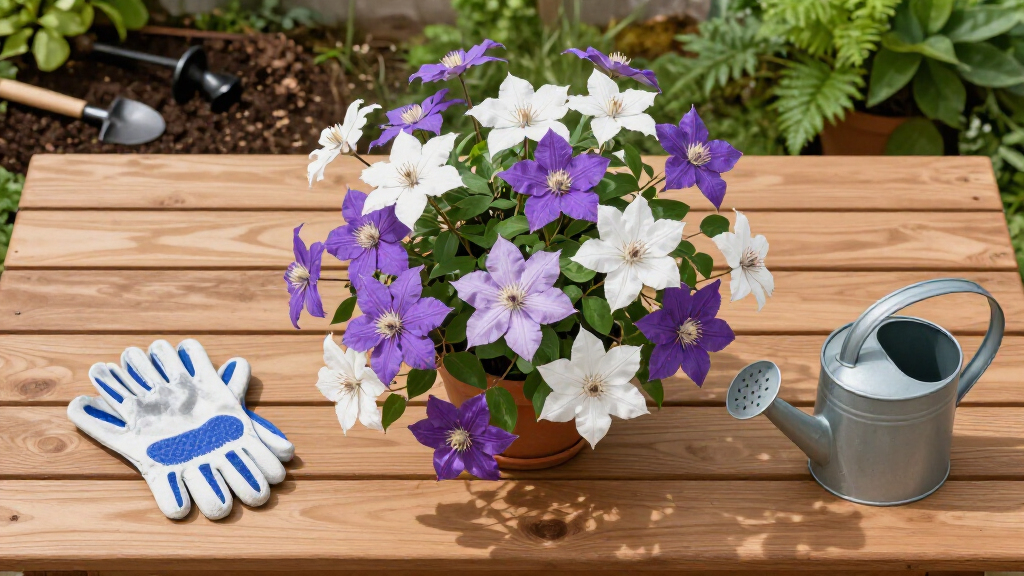
Recent gardening guides and expert opinions confirm that these seven clematis varieties—ranging from fragrant types like Sweet Summer Love to shade-tolerant options like Samaritan Jo—offer extensive fall flowering. These vines typically bloom from late August through October, with some extending to the first frost. They are characterized by their ease of pruning, as all bloom on new growth, allowing for simple annual maintenance. For example, Happy Jack Purple and Lindsay clematis are noted for their large, show-stopping flowers and reliable repeat blooming. These selections are suitable for a variety of garden conditions, including full sun, partial shade, and small spaces, making them versatile choices for gardeners of all skill levels.
Why These Clematis Varieties Are Garden Game-Changers
Choosing the right fall-flowering clematis can dramatically extend garden color and fragrance into late autumn, providing visual interest and sensory appeal when many other plants have finished blooming. Their ease of pruning and adaptability make them ideal for both novice and experienced gardeners, reducing maintenance while maximizing impact. These vines also support garden design by covering unsightly structures and adding vertical interest, which enhances overall landscape aesthetics.
As an affiliate, we earn on qualifying purchases.
Recent Trends in Fall Garden Planting
Gardeners increasingly seek plants that bloom late in the season to maintain vibrant outdoor spaces into autumn. Clematis, traditionally known for summer flowers, now includes varieties bred specifically for fall performance. Experts note that recent cultivar improvements have made clematis more manageable and reliable, with some varieties blooming from June through October. The focus on easy pruning methods aligns with the growing popularity of low-maintenance gardening, especially among beginners. This trend is reflected in the selection of these seven top clematis varieties, which meet these needs while providing stunning blooms.
Outstanding Questions About Fall Clematis Performance
While the seven clematis varieties are highly recommended, it is still unclear how they perform in extreme climate zones or under specific soil conditions. Long-term flowering consistency and susceptibility to pests or diseases in different regions are also areas requiring further observation. Gardeners are advised to consider local conditions and consult regional experts to optimize results.
Next Steps for Gardeners Choosing Fall Clematis
Gardeners interested in planting these clematis should select varieties suited to their garden conditions, prepare planting sites accordingly, and follow recommended pruning schedules. Local nurseries and gardening centers are expected to stock these top varieties, and regional gardening guides will provide tailored advice. Monitoring plant performance through the first few seasons will help ensure long-term success and vibrant fall displays.
Key Questions
When is the best time to plant fall-flowering clematis?
The ideal time to plant clematis is in early spring or early fall, allowing roots to establish before extreme weather conditions. Spring planting is preferred for most regions, but fall planting can also be successful with proper site preparation.
How do I prune clematis for fall flowering?
Since these clematis bloom on new growth, prune them back to about one foot above the ground in late winter or early spring. This encourages vigorous new growth that will produce flowers in late summer and fall.
Are fall-flowering clematis suitable for small gardens?
Yes, many varieties like Lindsay and Samaritan Jo are compact and suitable for small spaces or container planting, making them versatile options for various garden sizes.
Do these clematis require special soil or fertilizer?
Most clematis prefer well-drained soil enriched with organic matter. Regular feeding with a balanced fertilizer during the growing season promotes healthy growth and abundant blooms.
Source: rss
Halloween Picks
halloween
As an affiliate, we earn on qualifying purchases.