
TL;DR
Monty Don shared an Instagram photo of the grass border at his Longmeadow garden, showing ornamental grasses, foliage and standing seedheads beside a more formal garden. Ideal Home reports that the planting offers seasonal structure and may provide cover for wildlife, while noting that the image does not establish how much care the border needs or which species it supports.
Monty Don has shared a new photo of the grass border at Longmeadow, his garden in Herefordshire, showing tall grasses, foliage and seedheads alongside a more formal planting area. The image has drawn attention to a style of border that Ideal Home describes as low-maintenance and says can offer shelter to wildlife, though the photograph alone does not confirm the border’s upkeep or the animals that use it.

Get garden gear delivered free with Prime
- Fast, free delivery on millions of items
- Prime Video, Amazon Music and more included
- Member-only deals all year
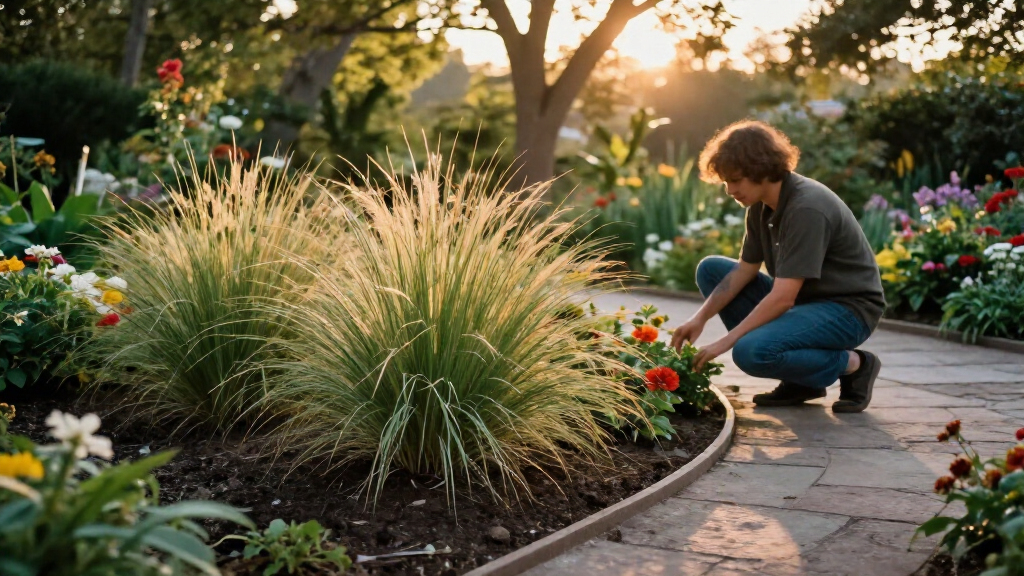
In the Instagram caption quoted by Ideal Home, Don describes the layout: “Grass borders to the right, jewel garden to the left.” The photo contrasts a loose, densely planted section with the neighbouring jewel garden. Ideal Home characterises the grass border as an informal mix of ornamental grasses, lush foliage and the remains of flowering plants.
The report identifies plume thistles, including Cirsium rivulare ‘Atropurpureum’, among the plants that appear to be standing in the border. Their darkened seedheads add height and seasonal texture, according to the report. It also names Calamagrostis × acutiflora ‘Karl Foerster’ as an example of a tall ornamental grass, which can reach about 1.8 metres, and Anemanthele lessoniana as a grass whose foliage can change to yellow, orange and red.
Those plant identifications and suggestions come from Ideal Home’s reading of the image and its gardening advice; the source does not say Don confirmed every species in the photograph. The report says the border appears to support itself apart from a square frame around some of the thistles. It presents the standing stems and plant cover as possible shelter for insects, small mammals and amphibians, rather than documenting specific wildlife sightings.
How Standing Stems Can Help Wildlife
The image offers an example of a garden border that retains structure beyond the main flowering period. Tall grasses and seedheads can provide visual interest through autumn and, depending on the plants and conditions, into winter. Leaving stems standing also means gardeners do not remove all above-ground cover at once, which may leave shelter and feeding opportunities for some garden wildlife.
For readers planning a border, the practical point is not that this exact planting requires no work. Rather, a mixed planting of perennials and grasses can create height and texture without relying on repeated seasonal replanting. The resulting look is deliberately less formal than a tightly clipped bed. Plant choice, local conditions and the amount of cutting back needed will affect how much maintenance the border actually demands.
Products Worth Considering

Samsung 48-Inch S90F OLED 4K Smart TV (2025)

iRobot Roomba 415X Robot Vacuum & Mop Combo

Shark Pet Cordless Stick Vacuum, Up to 40-Minute Runtime, Lightweight, IX141
As an affiliate, we earn on qualifying purchases.
The Longmeadow Border in View
Longmeadow is the garden Don regularly features in his television and gardening work. This update, as described by Ideal Home, focuses on the contrast between the grass border and the adjacent jewel garden, not on a new planting project or a change to the garden’s design. The source gives no date for when the photograph was taken or posted.
Ideal Home uses the image to discuss ornamental grasses and other perennials as options for a wildlife-friendly border. It mentions Deschampsia cespitosa ‘Goldtau’ as another possible grass for a prairie-style planting, and suggests that grasses with colourful foliage can contribute seasonal interest. These are examples offered by the publication, not a confirmed list of plants in Don’s border.
“Grass borders to the right, jewel garden to the left.”
— Monty Don, in the Instagram caption quoted by Ideal Home
What the Photograph Cannot Confirm
The source does not give a complete plant list confirmed by Don, nor does it specify the border’s planting date, maintenance schedule or costs. The claim that it is low-maintenance is Ideal Home’s assessment; grasses and perennials may still need dividing, cutting back, watering during establishment or other care, depending on species and garden conditions.
The report also does not document particular wildlife in the border or measure its effect on local populations. Shelter for insects, mammals and amphibians is presented as a likely benefit of dense planting, not as a confirmed finding from a survey of Longmeadow. The exact date of Don’s post is not provided in the source material.
Practical Steps for Gardeners
Readers wishing to borrow the look can start by checking the eventual height, spread and growing requirements of grasses and perennials suited to their site. Ideal Home’s examples include feather reed grass, pheasant’s tail grass, tufted hairgrass and plume thistle. A border can be planned to combine upright plants with lower foliage, while leaving some seedheads standing rather than cutting everything down at once.
There is no further development or follow-up announcement described in the source. Gardeners should treat the planting suggestions as general inspiration rather than a verified planting plan for Longmeadow, and check reliable local guidance before choosing species. Whether Don shares more detail about the plants or care routine remains unknown.
Key Questions
What did Monty Don share?
He shared a photo of a grass border at Longmeadow. His caption, quoted by Ideal Home, distinguishes the grass border from the jewel garden beside it.
Which plants are confirmed to be in the border?
The source does not provide a plant list confirmed by Don. Ideal Home says the image appears to show ornamental grasses and plume thistle seedheads, and offers several grasses as examples for similar planting.
Why might a grass border help wildlife?
Dense foliage and standing stems can offer cover for some garden wildlife. Ideal Home names insects, small mammals and amphibians as possible beneficiaries, but does not report a survey or confirmed sightings at Longmeadow.
Does the photo prove the border is low-maintenance?
No. Low-maintenance is Ideal Home’s description of the planting style. The source does not detail the work required to establish or care for this particular border.
Source: idealhome.co.uk