TL;DR

Get garden gear delivered free with Prime
- Fast, free delivery on millions of items
- Prime Video, Amazon Music and more included
- Member-only deals all year
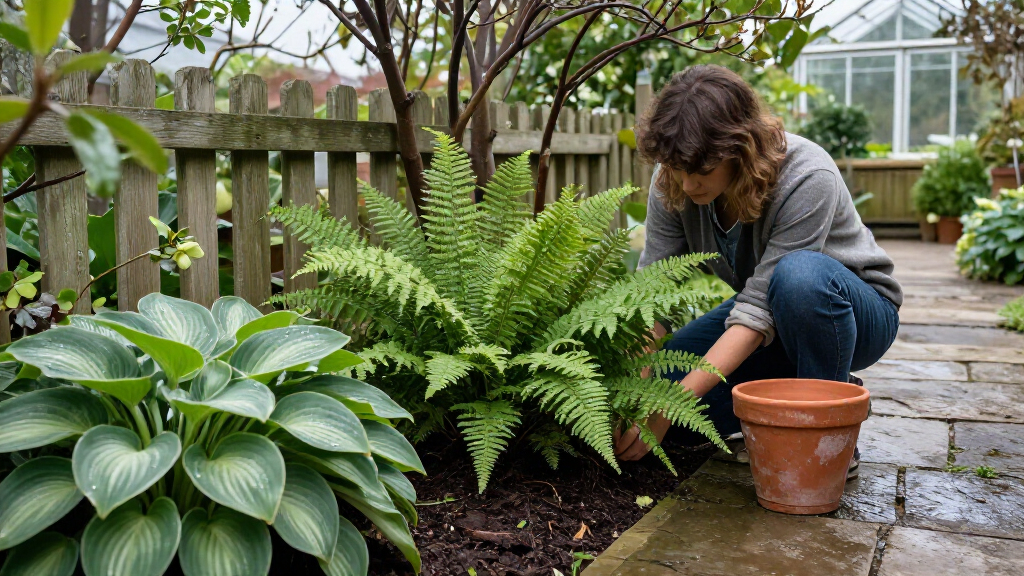
Amateur Gardening highlights rhododendrons, hydrangeas and camellias as options for a shady, north-facing garden. Their needs differ: rhododendrons require acidic soil, while all three still need suitable watering and planting conditions.
Amateur Gardening has recommended rhododendrons, hydrangeas and camellias for gardeners looking to add flowers and foliage to shady, north-facing spaces. The guide says these plants can grow with limited direct sun, though conditions such as soil acidity and watering still affect whether they will thrive.
The recommendations come from Calogero Scanella, managing director of Surrey-based CS Gardens, who told the magazine that shade limits the range of plants available but does not rule out attractive blooms. The report says the three choices can be planted in the ground or grown in pots, depending on the garden and the gardener’s maintenance preferences.
Rhododendrons are suited to shade but need acidic soil. The guide says soil beneath conifers or pine trees may already be acidic; where it is not, Scanella advises using acidic soil and growing the plant in a pot. Gardeners should check their own soil conditions rather than assume that a shaded site is suitable.
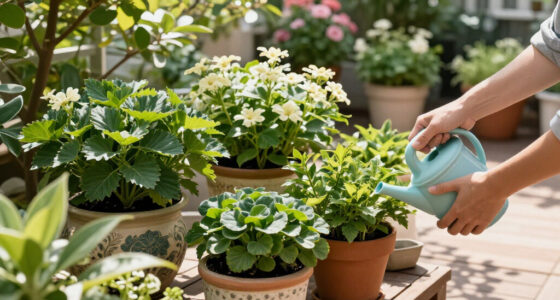
Hydrangeas can manage with a few hours of sun each day, according to Scanella. He said excessive sun may cause their colours to fade sooner, while flowers in shadier gardens can last into late summer and autumn. Camellias bring glossy evergreen leaves through the colder months and typically flower in late winter or early spring, giving a shady border interest beyond the main summer flowering period.
Flowers for Lower-Light Gardens
The advice gives gardeners with north-facing or sheltered plots practical options beyond plants that depend on long hours of direct sun. Combining plants with different flowering periods could provide colour across more of the year: camellias can bloom in late winter or early spring, while hydrangeas may keep their flowers into autumn in suitable conditions.
The recommendations are not a guarantee that every plant will perform well in every shaded garden. Light levels, soil and care vary from site to site, and the rhododendron’s need for acidic soil is a particular constraint. The guide presents these plants as candidates to consider, not as a universal planting formula.
For readers with limited ground space, the report also says shade-tolerant plants can be placed in containers, window boxes and patio pots. That flexibility may help gardeners test a plant in a suitable spot or avoid unsuitable ground soil, especially for rhododendrons.
Products Worth Considering

Arlo Pro Wireless Security Camera, 2K HDR, 6th Generation, 4-Camera Kit
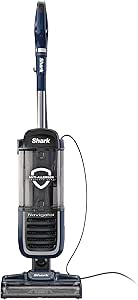
Shark Navigator Swivel Pro Upright Vacuum NV151

Roborock H60 Ultra-B Cordless Stick Vacuum Cleaner
As an affiliate, we earn on qualifying purchases.
Matching Plants to Shade
The article focuses on gardens where buildings, fences or trees restrict sunlight, including north-facing spaces. It suggests using shade-loving plants to soften the edges of fences and treelines, fill borders, or add interest to containers. These locations may also offer shelter from strong winds, although the report does not give site-specific planting measurements or a detailed assessment of how much sun each plant needs.
Its recommendations pair seasonal flowers with evergreen foliage. Rhododendrons are associated in the report with woodland settings; hydrangeas are presented as a choice for gardens with only a few hours of sun; and camellias provide leaves year-round as well as flowers in the colder part of the year. Plant performance will still depend on the varieties chosen and local growing conditions.
The guide also offers three care suggestions for shaded planting: work good-quality compost into soil around trees, water plants during warm and dry weather, and apply a layer of mulch such as shredded bark or suitable organic matter to help retain soil moisture. Tree roots can make planting difficult, so the article advises improving the soil rather than treating shade as the only factor.
“There are plenty of varieties that are perfectly happy with just a few hours a day. In fact, too much sun can cause the colours to fade quickly.”
— Calogero Scanella, as quoted by Amateur Gardening
Site Conditions Still Matter
The supplied report does not identify specific cultivars, planting distances, hardiness ranges or precise sunlight thresholds for the three plants. It also does not provide evidence that every variety will flower throughout the year; that is the expert’s general description of what the trio may offer together.
Local conditions remain decisive. The guide does not say whether a particular garden’s soil is acidic, how much light reaches each planting spot, or how often plants should be watered there. Gardeners should check plant labels and soil conditions, and adapt care to local weather and the needs of the chosen varieties.
Check Soil Before Planting
Before buying, gardeners can identify the amount of direct sun their intended planting area receives and check whether the soil suits the selected plant. For rhododendrons, the guide specifically points to acidic soil or potting in suitable acidic soil as the options it recommends. Hydrangeas and camellias should also be matched to the requirements on their plant labels.
After planting, the report advises adding compost where roots make soil difficult to work, watering during warm, dry periods, and using mulch to help retain moisture. It offers no further scheduled update or follow-up data, so the results will depend on how the plants respond to each garden’s conditions.
Key Questions
Which three plants does the report recommend?
Rhododendrons, hydrangeas and camellias are the three plants recommended by Amateur Gardening for shaded, north-facing gardens.
Do hydrangeas need full sun?
Not according to the expert quoted in the report. Calogero Scanella says some varieties can grow with a few hours of sun a day, and that too much sun may cause flower colours to fade sooner.
What soil do rhododendrons need?
The report says rhododendrons need acidic soil. It suggests that soil beneath conifers or pine trees may be acidic, or that gardeners can grow them in a pot with acidic soil.
Do shade-loving plants still need watering?
Yes. The guide cautions that shade does not remove the need to water. It recommends watering regularly when conditions are warm and dry, while taking account of the plants and local conditions.
Source: amateurgardening.com