TL;DR
Gardening Know How recommends five fall preparations to help backyard birds find food, water and shelter as colder weather approaches. Its report details high-energy foods and feeder setup, while the supplied source excerpt does not include the full instructions for all five steps.
Gardening Know How has published a fall bird-care report urging backyard bird enthusiasts to prepare feeders and water sources before winter freezes make food and water harder to find. The article presents five simple seasonal steps, including offering high-energy foods and keeping drinking water fresh, but the supplied excerpt includes details for only the first two.

Get garden gear delivered free with Prime
- Fast, free delivery on millions of items
- Prime Video, Amazon Music and more included
- Member-only deals all year
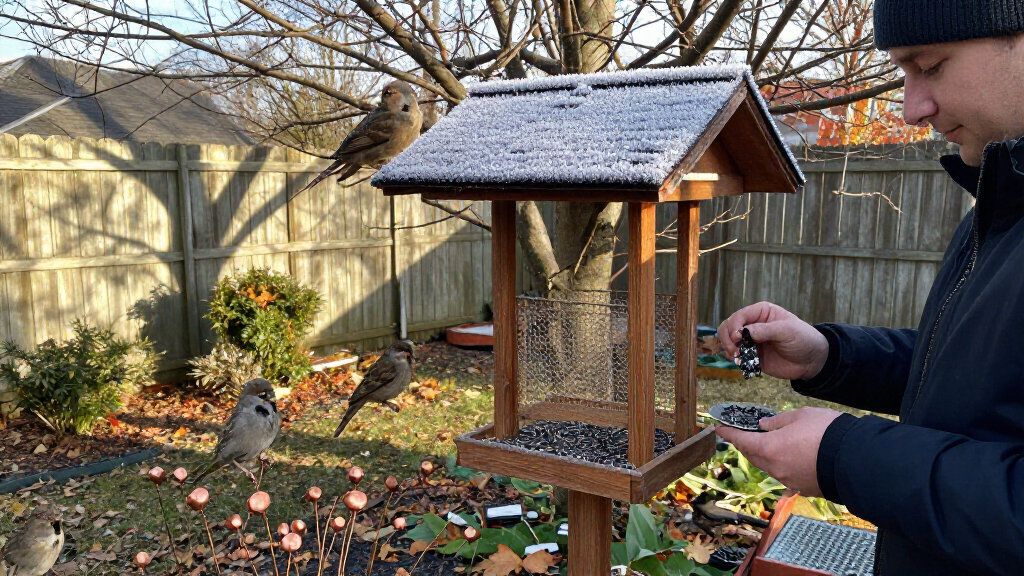
The report says cold weather increases the energy birds must use to stay warm, while declining insect availability, fallen leaves and depleted berries can make natural food harder to find, as discussed in these tips for helping winter birds thrive. It recommends replacing lower-energy filler seed with black-oil sunflower seeds, whose shells are easier for small birds to crack. Hulled sunflower chips on low platforms are suggested for ground-feeding birds, and the article also recommends suet for woodpeckers, nuthatches and blue jays.
Other suggested foods include dried mealworms on a shallow tray, which the report says may attract eastern bluebirds and hermit thrushes; see these ways to feed garden birds safely for more ideas. Feeders should drain after rain, the article advises, to reduce the risk of mold. It also urges readers to keep bird baths from freezing, arguing that birds need access to water and that relying on snow for moisture can cost them energy.
The report advises setting up before the first major freeze, when resident birds are establishing winter foraging routes, with fall preparations for backyard birds helping them through the seasonal transition. It recommends surveying the yard for morning light and locations sheltered from north winds, and placing feeding and water stations about 10 feet (3 meters) from protective shrubs and suitable branches. Regional climate affects timing: colder areas may face hard freezes sooner than warmer regions.
Preparing Before the First Freeze
The practical point is timing: food and water need to be available before severe cold sets in, rather than added only after snow or ice arrives. For readers who feed birds, the recommendations offer a way to make a yard a more dependable stop during winter foraging. They do not establish that any one garden setup guarantees birds’ survival or particular visitor numbers.
Advice to use higher-energy foods also shifts attention from simply keeping feeders full to considering what is offered. A reliably maintained water source matters alongside food, especially when outdoor water freezes. These are manageable household actions, but their effects will depend on local weather, bird species and conditions in each yard.
Products Worth Considering

Philips Hue Amarant Outdoor Smart Light Bar, Black

Sonos Era 100 SL Compact Microphone-Free Speaker, Black

Bose SoundLink Max Portable Bluetooth Speaker, Black
As an affiliate, we earn on qualifying purchases.
Seasonal Food and Shelter Changes
The report describes late fall as a period when summer food sources decline: insects become less available, berries may be eaten, and leaf loss leaves branches more exposed to wind and rain. It says small birds can expend substantial energy keeping warm overnight. These points are the article’s explanation for preparing feeders and sheltered locations ahead of winter.
It also notes that local climate and USDA hardiness zone influence when preparation is needed. Colder regions, including zones 3–5, may need to prioritize preparation earlier, while warmer zones, including 7–10, may see different seasonal visitors. The report’s recommendations are general backyard guidance, not a documented study comparing survival rates among different feeding practices.
Details Missing From the Excerpt
The supplied source text ends during its section on keeping water fresh, so it does not provide the full instructions for that step or identify the remaining three of the five advertised fall tasks. No author quotations, research findings, measured outcomes or independent evaluations are included in the material provided. The report’s suggestions should be understood as gardening guidance, not as evidence that a specific setup will ensure birds survive winter.
It is also unclear from the excerpt how frequently baths should be cleaned or refilled during freezing weather, and what equipment the article recommends for preventing ice. Readers should check the complete report for those details and adapt care to local conditions.
Set Up for Local Winter Conditions
Readers can begin by checking feeder drainage, choosing food suitable for the birds they see, and identifying sheltered locations before temperatures fall. The report recommends monitoring which foods disappear and adjusting what is offered, while maintaining access to fresh water as conditions change. It does not provide a dated follow-up or announce further reporting.
Because the excerpt omits three of the five steps, the complete Gardening Know How article is needed for its full checklist. In the meantime, the source’s central advice is to prepare early and take local freeze risk into account.
Key Questions
What fall foods does the report recommend for backyard birds?
It suggests black-oil sunflower seeds, hulled sunflower chips and suet, along with dried mealworms for some insect-eating birds. The excerpt does not provide a complete list for every species or region.
When should I prepare my feeders for winter?
The report recommends acting before the first hard freeze, rather than waiting for a blizzard or frozen ground. The right timing depends on local weather.
How far from shrubs should feeding and water stations be?
The article suggests placing them about 10 feet (3 meters) from protective shrubs and near suitable branches where birds can wait. The excerpt does not explain how to adjust that distance for different yards.
Does the source explain all five fall tasks?
No. The supplied excerpt gives details on high-energy food and fresh water, but ends before the full water instructions and the other three tasks.
Source: gardeningknowhow.com