TL;DR

Get garden gear delivered free with Prime
- Fast, free delivery on millions of items
- Prime Video, Amazon Music and more included
- Member-only deals all year
A Country Living report describes six birds commonly seen in U.S. backyards during winter: goldfinches, cardinals, woodpeckers, nuthatches, sparrows and hawks. It recommends offering suitable food and shelter while retaining natural habitat, and points readers to Audubon’s Christmas Bird Count, held December 14 to January 5.
A Country Living report highlights six kinds of birds that may be seen around U.S. homes in winter—goldfinches, cardinals, woodpeckers, nuthatches, sparrows and hawks—and recommends providing food and shelter to support birds through cold weather. It also directs readers to the National Audubon Society’s Christmas Bird Count, an annual community-science project that takes place from December 14 to January 5.
The report says winter appearance can differ from what people remember in warmer months. American Goldfinches, bright yellow in summer, molt into subdued olive-brown winter plumage. Benjamin Haywood, the National Audubon Society’s director of community science, said the less vivid feathers take less energy to maintain when food is scarce and temperatures fall. Cardinals change less dramatically: males remain red and females rosy brown, though feather wear and lighting can affect how they look.
Woodpeckers may be heard drilling into wood as they search for insects. The report mentions species ranging from pileated to downy woodpeckers. Nuthatches are small, short-tailed birds often marked with black on the head; one identifying behavior is walking headfirst down tree trunks. Sparrow species vary by location, and house sparrows are common in many parts of the country. Hawks, including red-tailed, sharp-shinned, rough-legged and Cooper’s hawks, are more often seen circling overhead than close to a house.
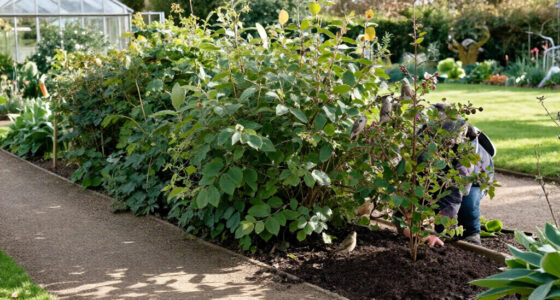
For backyard support, Haywood recommends keeping feeders supplied with suet, black oil sunflower seeds and nyjer, while also preserving natural food from berry-producing shrubs and seed-bearing plants; see these winter bird-feeding tips for more ideas. He says brush piles and evergreen cover can offer protection from wind and predators, and other habitat features can help make a yard more welcoming to birds. The report suggests adding native plants in fall or early winter and notes that readers can join a local Christmas Bird Count team to record observations, while these ways to help backyard birds offer more seasonal support.
Food and Shelter Through Winter
Cold-weather food and safe cover can matter when natural resources are limited. The advice in the report pairs feeders with habitat: native plants, berries, seeds, brush piles and evergreens provide resources beyond a feeding station. That distinction is useful for readers planning a yard, since a feeder alone does not supply all the food or shelter birds may use.
The count offers a separate way to contribute. Participants’ observations become part of a long-running dataset used to track bird population trends and inform conservation work, according to Haywood. Joining a local team can also help people learn how to identify birds rather than relying on casual sightings alone.
Products Worth Considering

Bose SoundLink Plus Portable Bluetooth Speaker, Black

Sonos One (Gen 2) Voice-Controlled Smart Speaker, White

Bose SoundLink Max Bluetooth Speaker
As an affiliate, we earn on qualifying purchases.
Recognizing Birds in Winter
The six groups in the report are examples, not a guarantee of what every household will see. Bird sightings depend on location, and the kinds of sparrows and hawks present vary by region. Some birds migrate while others remain, and a species’ winter appearance may differ from its summer plumage.
Haywood describes the Christmas Bird Count as more than 125 years old and says its records have helped track population trends. The report identifies the count period as December 14 through January 5; participation is organized through local counts and teams.
“But also pay attention to natural food sources like berry-producing shrubs and seed-bearing plants.”
— Benjamin Haywood
Local Sightings Will Vary
The report does not establish that all six kinds of birds will appear in every yard or region. Local species and sightings vary, and it gives no location-specific forecast or population figures. Its descriptions are general identification guidance, not a prediction of what a reader will see this winter.
It also does not specify how many birds a particular feeder or planting will attract, or quantify the effect of any one yard practice. The suggested foods and habitat features are recommendations attributed to Haywood; outcomes will depend on local conditions and available habitat.
Winter Counts Begin December 14
People interested in contributing can look for a local Christmas Bird Count taking place during the December 14-to-January 5 count period. Haywood says beginners and experienced birders can join a team, learn from other participants and submit observations as part of the project.
For backyard care, the report’s practical next steps are to maintain appropriate feeder supplies and consider natural food and shelter, including native plants, berry-producing shrubs, seed-bearing plants and evergreen cover. Which birds appear will depend on the area and season.
Key Questions
Which six birds does the report say may stay around in winter?
It names American Goldfinches, cardinals, woodpeckers, nuthatches, sparrows and hawks. The species people see depend on where they live.
What food does the report recommend offering?
Benjamin Haywood recommends suet, black oil sunflower seeds and nyjer. The report also advises paying attention to natural food from berry-producing shrubs and seed-bearing plants.
How can a yard provide shelter for winter birds?
The report points to brush piles and evergreen cover as shelter from wind and predators, and suggests considering native plants.
When does Audubon’s Christmas Bird Count take place?
The report gives the annual count period as December 14 to January 5. Participants can find a local count and join a team.
Source: countryliving.com