
TL;DR
Grow Organic’s guide describes Music as a cold-hardy, porcelain-type hardneck garlic with large, easy-to-peel cloves and edible scapes. It recommends fall planting in sunny, well-drained soil, with harvest guided by leaf condition rather than a fixed date.
Grow Organic has published a growing guide for Music garlic, a porcelain-group hardneck variety, outlining how gardeners can plant cloves in fall and manage them through a summer harvest. The guidance matters to home growers choosing garlic seed stock because it explains the variety’s needs, including cold-season exposure, well-drained soil and harvest cues.

Get garden gear delivered free with Prime
- Fast, free delivery on millions of items
- Prime Video, Amazon Music and more included
- Member-only deals all year
The report describes Music garlic as having white bulb wrappers, a firm central stalk and large cloves that are relatively easy to peel. Grow Organic lists four to seven cloves per bulb, while noting that counts vary. It characterizes the flavor as robust and says the garlic can be used in roasting, sauces and stir-fries. These are variety descriptions, not guarantees about the size or taste of every crop.
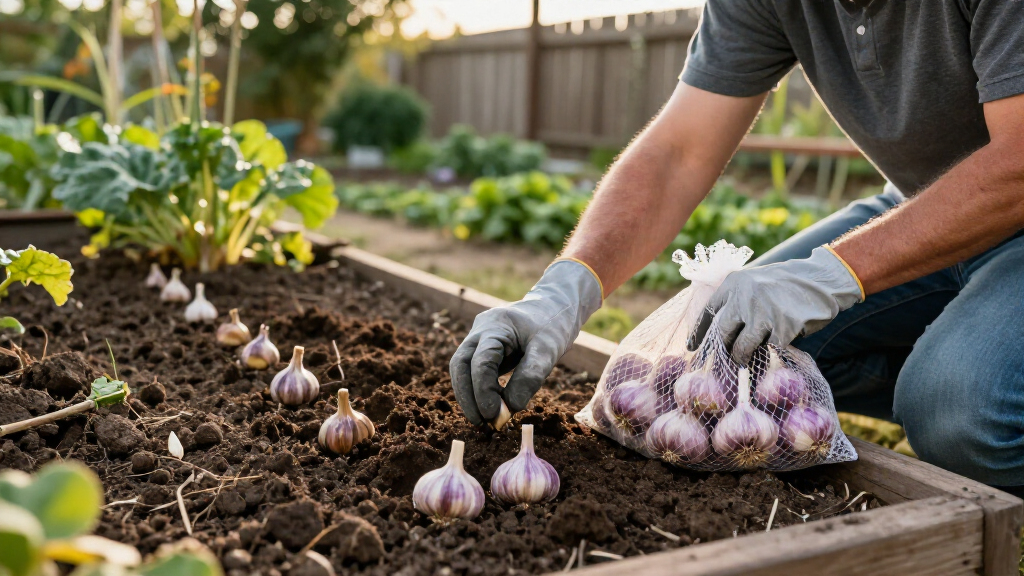
For planting, the guide recommends a sunny site with fertile, well-drained soil, since standing water can damage cloves. Fall planting gives roots time to develop before the ground freezes. It advises gardeners to separate bulbs shortly before planting, keep the clove skins intact and set cloves upright with the pointed tips facing up. The report gives a general spacing of four to six inches between cloves and cites Minnesota Extension guidance of two to three inches from clove base to soil surface; gardeners should consult local recommendations for their conditions.
During growth, the guide recommends steady moisture, early weed control and fertilizer based on soil needs. Mulch can protect the bed and suppress weeds; in colder areas, it says to apply winter mulch after the ground freezes and follow local advice. Music is a hardneck garlic, so it produces edible scapes, or curled flower stalks. Grow Organic advises cutting them while young and tender. Near harvest, reduce watering: the report cites University of Minnesota Extension guidance to stop about two weeks beforehand.
Choosing Garlic for Cold Winters
The guide helps gardeners decide whether Music fits their site and cooking preferences before buying planting stock. Its hardneck habit and cold-hardiness may suit growers with cold winters, while scapes provide an edible crop before the bulbs are ready. However, the report contrasts Music with typical softneck garlic, which often has more cloves and may store longer or be easier to braid. The choice involves trade-offs rather than one variety being best for every garden.
Planning also affects the harvest. Garlic generally occupies a bed across seasons, and poor drainage can damage cloves. The guide’s focus on fall timing, spacing and soil conditions gives readers practical factors to check before planting. Actual bulb size and storage life still depend on growing conditions and post-harvest handling.
Products Worth Considering

iRobot Roomba Max 875 Robot Vacuum and Mop

Blueair Blue Signature SP4i Air Purifier for Large Rooms

eufy Security eufyCam C35 4-Camera Kit
As an affiliate, we earn on qualifying purchases.
Music Garlic’s Hardneck Traits
Music belongs to the porcelain group of hardneck garlic. Unlike softneck types, hardnecks develop a stiff central stalk and produce scapes. The report says Music bulbs usually contain four to seven cloves, compared with the larger numbers of often smaller cloves found in many softneck varieties. Softneck stalks are more flexible and can be braided after drying; hardneck stalks are not suited to traditional braiding.
Music is generally planted in fall and harvested the following summer, but the timing varies by planting date and climate. The report says early-winter planting can work in mild climates, while emphasizing local weather over a single planting date for all regions. It also notes that winter chilling supports spring growth. The source says the variety was named for Al Music, who reportedly brought it from Italy to Canada in the 1980s, attributing that history to the Missouri Botanical Garden.
“Music garlic brings large cloves and robust flavor to the kitchen.”
— Grow Organic
Harvest Timing Varies by Garden
The supplied report does not give a publication date, region-specific planting calendar or trial data comparing Music with other garlic varieties. It also does not promise a particular bulb size, clove count or storage life: conditions and handling affect those outcomes. A fixed number of days to harvest is not provided, and timing can vary with climate and planting date.
Grow Organic recommends watching the leaves rather than relying on a countdown. Harvest approaches when several lower leaves have browned while upper leaves remain green; lifting a test bulb can show whether cloves have filled their skins. Gardeners should check local extension advice where soil, winter conditions or rainfall differ from the guide’s general recommendations.
Watch the Crop Through Summer
After planting, gardeners can monitor moisture, weeds and winter protection, then remove scapes while they are curled and tender. As the crop nears maturity, they can reduce watering and check leaf color. The guide recommends loosening soil and lifting bulbs rather than pulling plants by their stalks.
Once harvested, whole plants should be cured in a dry, shaded, airy location for about three to four weeks. The cured bulbs can then be stored in a cool, dry, ventilated place. The next milestone is the crop’s leaf and bulb condition; the report does not specify a single harvest date applicable to all growers.
Key Questions
When should Music garlic be planted?
Grow Organic recommends fall planting, allowing roots to establish before the soil freezes. Timing depends on local weather; the report says early-winter planting may work in mild climates.
How deep and how far apart should the cloves be?
The guide gives a general spacing of four to six inches between cloves and cites Minnesota Extension guidance placing clove bases two to three inches below the soil surface. Follow local guidance for your soil and conditions.
How can I tell when Music garlic is ready to harvest?
Look for several browned lower leaves with upper leaves still green. The guide also suggests lifting a test bulb to check that cloves have filled their skins while bulb wrappers remain intact.
Does Music garlic produce edible scapes?
Yes. Music is a hardneck variety that produces curled flower stalks called scapes. Grow Organic recommends harvesting them while young and tender; they can also be used in cooking.
How should Music garlic be cured and stored?
Cure whole plants in a dry, shaded, well-ventilated place for about three to four weeks. Store cured bulbs somewhere cool, dry and ventilated. Storage life varies with growing conditions and handling.
Source: groworganic.com