
TL;DR

Get garden gear delivered free with Prime
- Fast, free delivery on millions of items
- Prime Video, Amazon Music and more included
- Member-only deals all year
An Ideal Home report outlines five garden preparations ahead of Bonfire Night: check bonfire materials for wildlife, protect outdoor furnishings, remove dry plant growth, check whether fireworks are permitted and clear leaves and debris. The advice is aimed at people hosting displays and those whose gardens may be affected by fireworks nearby.
An Ideal Home report has set out five garden checks to make before Bonfire Night, including checking bonfire materials for wildlife, moving or covering soft furnishings and clearing dry debris. The guidance applies to people planning their own gathering as well as households whose gardens could be affected by nearby fireworks.
The report’s first recommendation is to check any bonfire pile for hedgehogs, birds, frogs and toads before lighting it. Wildlife expert James Ewens of Green Feathers advises collecting materials in advance but building the bonfire on the day, ideally on clear ground. If a pile has been standing, he recommends carefully dismantling it by hand and rebuilding it elsewhere just before lighting.
For outdoor furnishings, the report advises moving cushions and other soft items under shelter or using a breathable, water- and fire-resistant cover. Andrew White, an outdoor expert at Harbour Lifestyle, says sparks and embers from displays nearby can reach gardens. He also recommends wiping soot or residue from aluminium and rattan furniture after the event and closing pergola or gazebo canopies where possible.
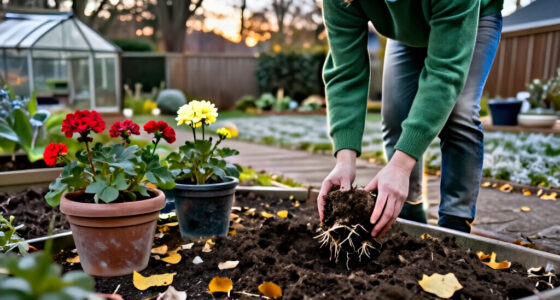
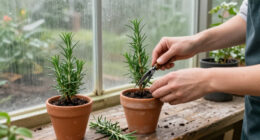
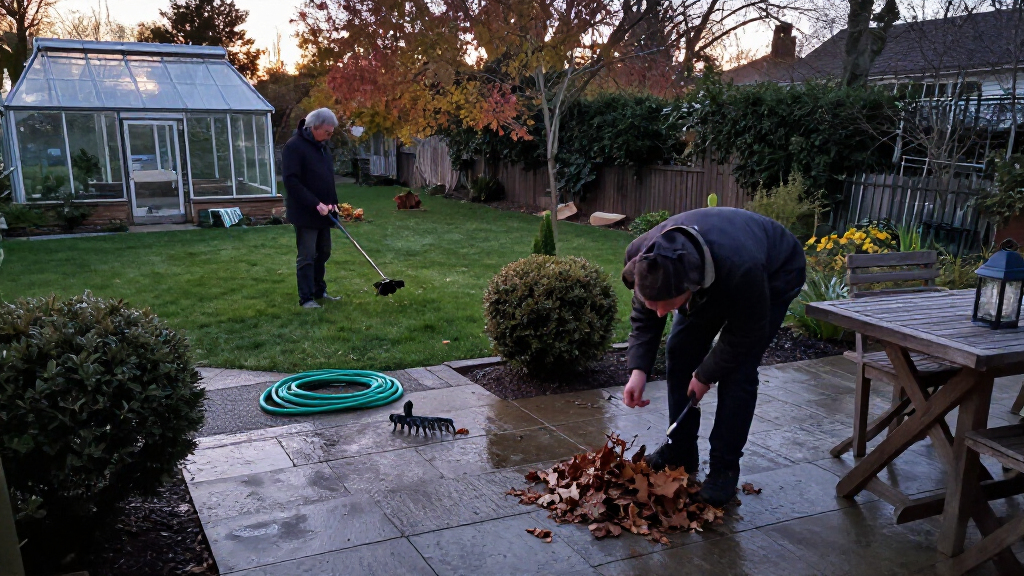
The remaining checks are to remove dead or dry plant material where it is safe, keep fireworks and bonfires away from plants and structures, confirm that private fireworks are allowed at the property, and tidy paths and patios. The report names conifers, pampas grass, bamboo, pine, eucalyptus and juniper as plants to pay attention to, while warning that dry growth and accumulated debris can add fuel if sparks land nearby.
Reducing Risks Around Garden Displays
These preparations address several distinct risks: a bonfire can harm animals sheltering in a pile, airborne sparks can damage furnishings or ignite dry material, and fallen leaves can make paths harder to use. Checking permissions before inviting guests can also prevent a planned display from breaching rental terms or local policies.
The advice is relevant even to people who are not setting off fireworks. Nearby displays may still affect a garden, according to White, while clearing debris and securing pots and furniture can help prepare the space for autumn weather as well as an evening outdoors. The recommendations are precautions, not a guarantee that a garden or gathering will be risk-free.
Products Worth Considering

Philips Hue Festavia Globe Outdoor String Lights, 8 Bulbs, 22 ft

Dyson Ball Animal 3 Upright Vacuum

Bose SoundLink Plus Portable Bluetooth Speaker, Black
As an affiliate, we earn on qualifying purchases.
Five Checks Before November 5
The report frames the list as extra preparation alongside routine November gardening. Its five jobs are to inspect bonfire materials for wildlife, protect outdoor furnishings, check plants and remove dry growth, verify permission for fireworks, and clear leaves and other debris from patios and paths.
Its advice is drawn from comments by garden, outdoor and wildlife specialists: James Ewens of Green Feathers, Andrew White of Harbour Lifestyle, Luke Dejahang, co-founder of Crown Pavilions, and Amber Tunney, a plant buyer at Cherry Lane Garden Centres. The report does not present these recommendations as a formal legal or fire-service checklist.
“The safest approach is to collect your materials early, but only build the bonfire on the day you light it, ideally on a clear patch of ground.”
— James Ewens, wildlife expert at Green Feathers
Local Rules and Garden Conditions
The report does not identify specific councils, rental agreements or neighbourhood policies, so readers will need to check the rules that apply to their own property. White says rental terms or neighbourhood policies may prohibit private displays and that fines for breaches can reach thousands of pounds, but the report does not give examples, jurisdictions or a source for a particular penalty.
It also does not specify a single safe distance between fireworks, bonfires, plants, buildings or furniture. The level of risk depends on garden layout, weather and the display taking place. The article’s plant list is a prompt to inspect dry growth and location, not a claim that every named plant presents the same level of danger.
Complete Checks Before the Displays
Before November 5, householders planning a display can check their property rules, prepare a clear area and leave bonfire construction until the day it will be lit. Any existing pile should be carefully checked and moved if needed; Ewens advises using a torch and gently lifting material with a broom handle, not a fork, if it cannot be dismantled. If wildlife is found, the report’s advice is to give it a chance to escape rather than light the pile around it.
Gardeners can then put away or cover cushions, remove dead plant material where safe, clear paths and patios, and secure pots and furniture. The report gives no follow-up inspection date or further announced guidance; these are preparations to complete before the evening and adjust to conditions in each garden.
Key Questions
What should I do with a bonfire pile before lighting it?
Check it carefully for wildlife. The report recommends building a bonfire on the day it will be lit. If a pile has been standing, carefully dismantle and rebuild it in a new spot; if that is not possible, Ewens advises checking with a torch and gently lifting material with a broom handle, not a fork.
Should I protect garden furniture if I am not hosting fireworks?
Yes. The report says sparks and embers from nearby displays may reach a garden. Move soft furnishings under shelter or cover them with a breathable, water- and fire-resistant cover.
Which plants does the report say to check?
It names conifers, pampas grass, bamboo, pine trees, eucalyptus and juniper. Check for dead or dry growth and keep bonfires and fireworks well away from plants and nearby structures.
How can I find out whether fireworks are allowed at my home?
Check the rules that apply to your property, including any rental agreement or neighbourhood policy, before inviting guests or buying fireworks. The report does not list rules for specific areas.
Source: idealhome.co.uk