TL;DR

Get garden gear delivered free with Prime
- Fast, free delivery on millions of items
- Prime Video, Amazon Music and more included
- Member-only deals all year
Gardening Know How advises gardeners in hardiness zone 7 and colder to lift seven tender summer-flowering bulbs and similar rootstocks before the ground freezes. The report says cold, wet soil can damage or rot them; the right timing and storage method depend on the plant and local conditions.
Gardening Know How is urging gardeners in hardiness zone 7 and colder to lift seven tender summer bloomers before the ground freezes, saying cold, wet winter soil can damage or rot their underground structures. The advice covers plants commonly called bulbs, including dahlias, gladiolus, cannas and callas, and recommends curing and storing them indoors so they may be replanted next season.
The report says the group includes more than true bulbs: dahlias grow from tubers, gladiolus from corms, and cannas and callas from rhizomes. These structures differ botanically, but the article says they share vulnerability to freezing and waterlogged soil. In contrast, hardy spring bulbs such as tulips, daffodils and crocuses are described as able to remain in the ground and benefit from winter chill.
For most of the tender varieties, the suggested signal to lift is the first light frost, after which foliage may blacken. Gardeners are advised not to wait for the soil to freeze solid. The report gives approximate seasonal windows of mid-to-late October for zones 3–5 and late October through early November for zones 6–7; actual timing will vary with local weather.
Its general method is to loosen soil around each clump with a garden fork, brush away loose dirt and let the material dry in a dry, ventilated, frost-free place. Once cured, store it in breathable containers with dry packing material, in a cool, dark location. The report recommends checking stored material monthly for rot or shriveling. Plant-specific curing and storage temperatures differ, so gardeners should follow guidance for each variety rather than assume one method fits all.
Protecting Summer Plants From Winter Loss
The practical issue is whether gardeners can preserve plants that have already grown and flowered, rather than buying replacements next year. Freezing soil can injure tender rootstocks, while damp conditions can encourage rot, according to the report. Lifting them before a hard freeze may help prevent those losses, especially for gardeners in colder regions.
The advice is not a blanket instruction to dig up every bulb. Hardiness zone and plant type matter: some southern gardeners may be able to leave tender varieties under heavy mulch, while the report recommends indoor storage for zone 7 and colder. Local drainage, winter temperatures and the particular cultivar can affect the result, so readers should use the guidance as seasonal advice rather than a guarantee of survival.
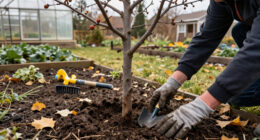
garden digging fork for lifting bulbs and tubers
As an affiliate, we earn on qualifying purchases.
As an affiliate, we earn on qualifying purchases.
Which Summer Bloomers Need Lifting
The report identifies seven tender plants to lift: dahlias, gladiolus, canna lilies, calla lilies, elephant ears, tuberous begonias and oxalis. It explains that “bulb” is often used informally for several underground storage structures, including true bulbs, corms, tubers and rhizomes. The seven plants do not all have the same structure or identical storage needs.
The article’s examples illustrate that difference. Dahlias are lifted after frost blackens the foliage, with stems cut back before the tubers are dried. Gladiolus may be lifted once foliage yellows or after the first light frost; their corms are cured for two to three weeks in a warm, ventilated room before storage. Those are plant-specific instructions, not a single shared schedule. The supplied report excerpt ends during its canna section, so it does not provide full instructions for all seven plants.
The seasonal rationale is that many summer bloomers originate in tropical or subtropical climates and are not adapted to frozen ground. Hardy spring-flowering bulbs have different needs: the report says their winter chill supports their bloom cycle. Distinguishing the two groups helps prevent gardeners from applying tender-plant advice to bulbs that are suited to staying outdoors.
““For most tender varieties, the ideal window opens immediately after your region’s first light frost.””
— Gardening Know How
Local Frost Dates Shape the Advice
The guidance provides broad hardiness-zone windows, not a forecast for any particular garden. Exact lifting dates depend on local frost and soil conditions, which can vary within the same zone. The report also acknowledges that some gardeners in warmer areas may leave plants under mulch, but it does not set out cultivar-by-cultivar survival thresholds.
The source material supplied here cuts off partway through the canna-lily instructions. As a result, it does not provide the complete care details for every plant in its seven-item list. Readers should check reliable, plant-specific instructions before lifting, curing or storing unfamiliar varieties; the article’s general temperature range may not suit every rootstock.
Lift After Frost, Before Ground Freeze
Gardeners in colder zones can use the first light frost as a prompt to check their tender summer plants, then lift them before the soil freezes. Sort and label each variety, remove loose soil carefully, and allow the material to cure as directed for that plant. Store it in a cool, dark, frost-free place with suitable ventilation and packing material.
During winter, inspect stored bulbs, corms, tubers and rhizomes monthly. Remove any material showing rot, and respond to shriveling only according to the plant’s storage guidance. The next milestone is spring planting, when conditions and the plant’s requirements allow the stored rootstocks to return outdoors.
Key Questions
Which seven plants does the report say to lift?
The list is dahlias, gladiolus, canna lilies, calla lilies, elephant ears, tuberous begonias and oxalis. Their underground structures and storage requirements differ.
When should gardeners lift tender bulbs and tubers?
The report generally recommends lifting after the first light frost, when foliage may blacken, but before the ground freezes. It gives approximate windows by hardiness zone; local conditions should guide the final timing.
Can these plants stay in the ground over winter?
It depends on the plant and climate. Gardening Know How advises lifting tender varieties in zone 7 and colder, while saying some southern gardeners may leave them under heavy mulch. The report does not guarantee survival in any particular garden.
How should lifted rootstocks be stored?
The general recommendation is to cure them in a dry, ventilated, frost-free place, then pack them in a breathable container with dry material and keep them cool and dark. Follow plant-specific directions, since curing times and temperatures vary.
Source: rss
Fall yard work Picks
leaf blowers
As an affiliate, we earn on qualifying purchases.