TL;DR
Gardening Know How’s October guide recommends reducing garden cover, trimming grass and shrubs, limiting food sources and sealing openings to make frequently used areas less inviting to snakes. The source describes October as a useful time to act as temperatures fall, but its advice is not a guarantee that snakes will leave; local snake species and conditions vary.
Gardening Know How has published an October guide recommending eight ways to make garden areas less attractive to snakes, including clearing hiding places, keeping grass short, reducing food sources and sealing access gaps. The advice is timed to the fall period when, the report says, snakes may seek sheltered places to spend the winter, though its seasonal claims and suggested measures will not apply equally in every location.

Get garden gear delivered free with Prime
- Fast, free delivery on millions of items
- Prime Video, Amazon Music and more included
- Member-only deals all year
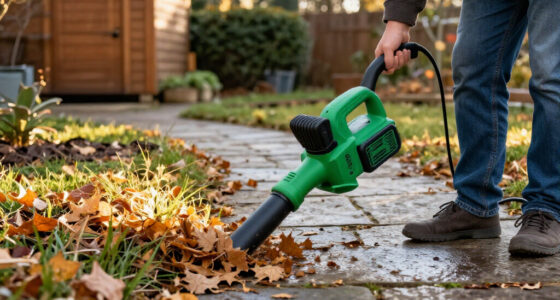
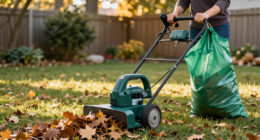
The report says snakes favor cool, damp, dark and undisturbed cover, and advises homeowners to clear clutter from areas they regularly use while leaving wildlife shelter in less-used parts of a yard if desired. It also recommends mowing grass to 3 inches or less, trimming the lower branches of dense shrubs, and removing overgrown vegetation that could conceal snakes. When clearing a potential hiding place, the article advises using tools rather than reaching in by hand.
For garden beds, the guide suggests using fine compost instead of bark or pine-straw mulch, which it says can create sheltered conditions. It also recommends managing birdseed and other food sources that may attract rodents or insects, including using less-waste bird feed and a seed catcher. The report’s remaining steps are to seal gaps in sheds and other structures and to review likely hiding places around the property. The supplied source text describes these measures but does not include the full details of all eight numbered steps.
The article says October is a useful time to take action as temperatures fall and snakes look for places to brumate, a period of reduced activity similar to hibernation. It also says snakes may be especially active in seeking food before winter. Those are the report’s seasonal explanations; it gives no location-specific data or evidence that following the checklist will reliably remove snakes from a yard.
Reducing Cover Around Used Garden Areas
The recommendations focus on reducing encounters in paths, lawns and other frequently used spaces, rather than treating every snake as a pest. The source notes that many snakes are nonvenomous and can eat rodents, slugs and insects. Keeping some habitat in a quieter corner while clearing cover near the house can reflect the report’s distinction between sharing a yard with wildlife and setting boundaries around areas people use.
Practical precautions matter during cleanup: the article warns that snakes can be concealed under leaves, wood piles or other clutter and advises against putting hands into such spots. It says ordinary leather gardening gloves may not prevent a bite. Readers should follow local wildlife guidance and avoid trying to handle or kill a snake; the source does not provide a detailed response protocol for encounters or bites.
Products Worth Considering

LG 55-Inch QNED73B Mini LED 4K Smart TV (2026)

Roborock Qrevo 2 Pro Robot Vacuum and Mop with 20,000 Pa Suction

Roborock Q7 L5 Robot Vacuum and Mop Combo, 8,000 Pa Suction
As an affiliate, we earn on qualifying purchases.
Why the Guide Focuses on October
The seasonal timing is central to the report. It says that as fall temperatures approach 60°F, snakes may begin scouting for frost-free places to brumate. It presents October as an opportunity to make suitable shelters less available before winter, while snakes are still moving around. The specific temperature and timing are presented by the source as general guidance, not as a forecast for every species or region.
The report also says snakes can return to familiar wintering areas and may breed there. It cites a typical female producing 10 to 30 young, but does not identify the species or explain how broadly that range applies. The figure should not be treated as a prediction for a particular garden. Local snake behavior, breeding seasons and legal protections vary.
““Only a quarter of native snake species in the USA are venomous.””
— Gardening Know How
Local Conditions Shape Snake Activity
The report does not specify which U.S. regions or snake species its timing applies to, and it provides no supporting research for describing October as the “very best” time. Snake activity changes with climate and species, so the 60°F reference should not be treated as a universal trigger. The article also does not quantify how much its eight measures reduce the likelihood of a snake entering a garden.
The supplied source text contains six numbered recommendations, although its headline promises eight. It is not clear what the two omitted steps are. Nor does the material establish that compost mulch, birdseed changes or sealing gaps will cause snakes already present to leave. These suggestions are best understood as habitat-management advice, not a guarantee or a substitute for local expert guidance.
Check Local Advice Before Yard Work
Homeowners considering the checklist can first identify the snake species and wildlife rules relevant to their area through a local extension service or wildlife agency. The article’s immediate recommendations are to clear clutter carefully, trim vegetation and reduce food sources; it advises timing repairs for the middle of the day, when it says snakes are more likely to be away from openings. Anyone who finds a snake should keep a safe distance and seek local professional guidance rather than attempt to capture it.
The source does not announce a follow-up study or provide an update schedule. Whether the measures make a particular yard less attractive will depend on local habitat, weather and the animals present.
Key Questions
Why does the guide recommend acting in October?
Gardening Know How says snakes may seek sheltered wintering sites as fall temperatures drop. The timing is general seasonal advice, not a rule that applies to every region or species.
What are the main steps described in the source?
The supplied text recommends clearing clutter, keeping grass short, pruning lower shrub branches, using fine compost mulch, reducing food sources such as spilled birdseed, and sealing gaps in sheds and other structures. Although the headline promises eight steps, the provided text details only six.
Should I remove every snake from my garden?
The report says many snakes are nonvenomous and can eat rodents and garden pests. Its advice is to reduce cover in areas people use, not necessarily to eliminate wildlife habitat from the entire yard.
Will these measures guarantee that snakes leave?
No guarantee is provided. The source offers habitat-management suggestions but no evidence quantifying their effectiveness. Local conditions and snake species can affect the outcome.
Source: rss