
TL;DR
Gardening Know How published a buying guide for choosing a greenhouse, focusing on site, size, glazing, ventilation, foundations and practical constraints. The guide cites horticulture experts on balancing sunlight, heat, shelter, water and electrical access; specific product recommendations and a universal best model are not established in the source.
Gardening Know How has published a greenhouse-buying guide advising home growers to assess their yard, climate, growing goals and practical needs before choosing a model. The guide says decisions about placement, size, glazing, ventilation and foundations can affect whether a greenhouse works well in local conditions, rather than simply matching its appearance to a buyer’s preferences.

Get garden gear delivered free with Prime
- Fast, free delivery on millions of items
- Prime Video, Amazon Music and more included
- Member-only deals all year
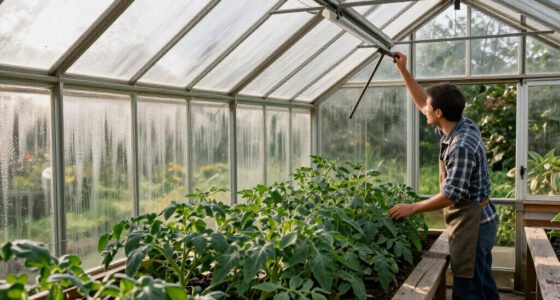
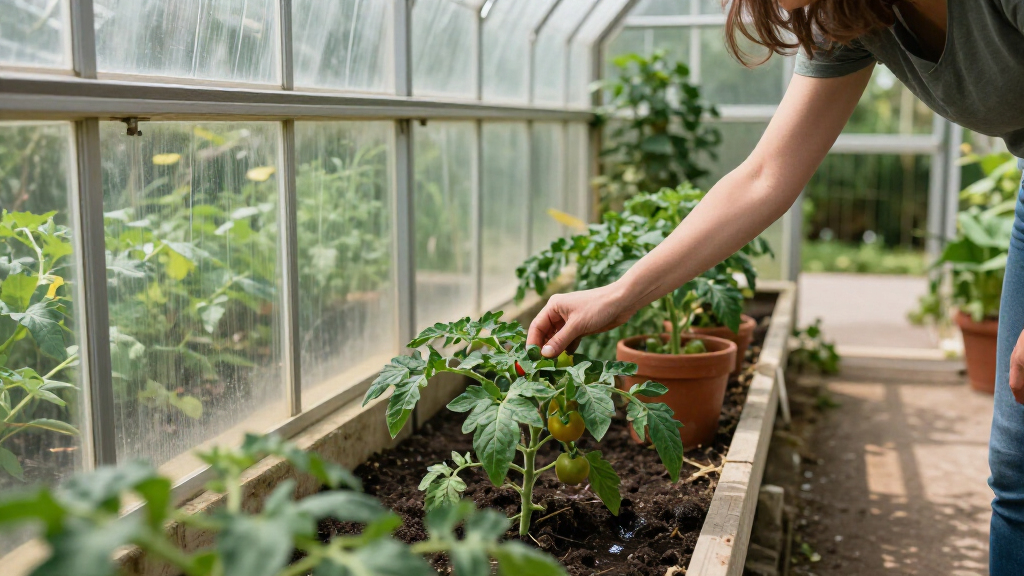
The guide frames a greenhouse as a working growing environment, not just a place to store plants. Buyers are advised to allow room for benches, supplies, door clearance and a walkway, since usable floor space can be much smaller than the structure’s stated footprint. It also recommends choosing a site that is convenient to maintain rather than tucked into an ignored corner of the yard.
Material choices involve trade-offs. The report identifies traditional glass, twin-wall polycarbonate and polyethylene film as options to compare for insulation, sunlight transmission and impact resistance. It also advises planning for ventilation, air circulation and seasonal shading to reduce the risk of overheating crops. The supplied material does not provide comparative test results or name a single best glazing material.
Other buying considerations include anchoring the frame against local winds, preparing a level and suitable base, and checking whether water and electricity can be accessed. The guide says buyers should verify local zoning, homeowners association rules and property setbacks before installation. It discusses a range of formats, from pop-up shelters to heavier kits and glasshouses, but the excerpt does not give prices, model rankings or detailed warranty comparisons.
Planning Around Yard and Climate
The advice matters because a greenhouse is a long-term structure whose performance depends on more than its advertised size or style. A poorly placed or weakly anchored model may be exposed to wind or difficult to use; a structure with inadequate airflow can become too hot for plants. These are practical concerns for growers investing in equipment to extend their growing season or protect plants.
The guide’s emphasis on local weather and daily access also makes clear that recommendations cannot be applied identically in every region. A site that captures useful winter sun in a northern climate may need afternoon shade in a hotter area. Buyers must match the structure and its setup to their own conditions rather than treating a product category as universally suitable.
Products Worth Considering

Shark AV2501S AI Ultra Robot Vacuum with Matrix Clean and Self-Empty Base

Philips Hue Bridge Pro Starter Kit with 4 A19 E26 Color Smart Bulbs

Sonos One (Gen 2) Two-Room Set Voice-Controlled Smart Speaker with Alexa (2-Pack, Black)
As an affiliate, we earn on qualifying purchases.
Key Choices Before Installation
The report presents greenhouse selection as a series of connected decisions: identify what will be grown, measure usable space, assess sun and shelter, then compare structure and glazing options. For northern gardeners, it suggests maximizing natural light and describes an east-west ridge orientation as one approach for capturing low winter sun. It also recommends considering prevailing winds. These points are guidance in the article, not a site-specific engineering assessment.
For warmer or humid areas, the guide focuses on managing intense afternoon heat while retaining useful light. It also discusses the convenience of locating a greenhouse near household water and electrical supplies, which can simplify watering and use of equipment such as heat mats or timers. The source excerpt does not include the remainder of its foundation discussion, detailed product advice, or complete guidance for every climate zone.
“If you have a space with a deciduous tree that can shade your greenhouse on summer afternoons, this will also allow maximum sunlight when the tree is dormant.”
— Bethany Lakatos, horticulture expert at Trees.com, as quoted in Gardening Know How
Limits of the Published Guidance
The supplied report excerpt does not identify a specific greenhouse as the best choice, provide a complete product comparison, or state prices and warranty terms. It also gives no publication date, so the timing of the guide’s release cannot be pinned down from the material provided. The orientation and placement suggestions are general guidance; the right setup for an individual property depends on its conditions.
Readers should also verify local rules and assess structural requirements for their own location. The excerpt does not specify wind-load ratings, permit requirements by jurisdiction, or installation standards for particular models. Those details remain matters to confirm with local authorities, manufacturers or qualified professionals.
Checks Before Buying a Kit
The next step for a prospective buyer is to measure the proposed site, account for benches and access, and observe its sun exposure and wind shelter across relevant seasons. Buyers can then compare available structures and glazing against their intended crops, budget and climate, while checking manufacturer specifications for anchoring, ventilation and warranties.
Before installation, the guide recommends confirming access to water and electricity and checking zoning, HOA and setback rules. Where trees could threaten the structure, Lakatos’s advice is to inspect their condition and consult an arborist if warning signs are present. The source does not announce a later update or a single recommended product.
Key Questions
What is the main advice in the greenhouse-buying guide?
Gardening Know How advises buyers to match size, placement, materials and climate controls to their yard, local weather and growing plans.Which greenhouse glazing should I choose?
The report lists glass, twin-wall polycarbonate and polyethylene film as options, with different considerations for insulation, light and impact resistance. It does not declare one material best for every buyer.Where should a greenhouse be placed?
The guide recommends weighing sunlight, wind exposure, shade and convenience, as well as access to household water and electricity. Suitable placement varies by climate and property.What should I check before installing a greenhouse?
Measure usable space and plan for movement and benches; prepare an appropriate base and anchoring; and check zoning, HOA rules and property setbacks. The article also advises evaluating nearby trees for hazards.Source: rss