TL;DR
A Grow Organic report published Nov. 27, 2026, outlines how to grow kumquat trees in the ground or containers and describes their edible peel and culinary uses. It cites USDA figures of about 71 calories, 6.5 grams of fiber and 43.9 milligrams of vitamin C per 100 grams of raw fruit; those figures describe nutrition, not a treatment effect.
Grow Organic published a kumquat-growing guide on Nov. 27, 2026, describing care for trees in gardens and containers, ways to use the fruit and its nutritional content. The report says kumquats need full sun and well-draining soil, and cites USDA data showing that 100 grams of raw fruit contains about 6.5 grams of fiber and 43.9 milligrams of vitamin C.

Get garden gear delivered free with Prime
- Fast, free delivery on millions of items
- Prime Video, Amazon Music and more included
- Member-only deals all year
The report identifies kumquats as Citrus japonica, while noting that older references use the genus Fortunella. The fruit is unusual among citrus because its sweet, aromatic peel is eaten with its tart flesh. Grow Organic describes two common varieties: Nagami, which is typically oval and more tart, and Meiwa, which is rounder, with a thicker rind and sweeter flavor.
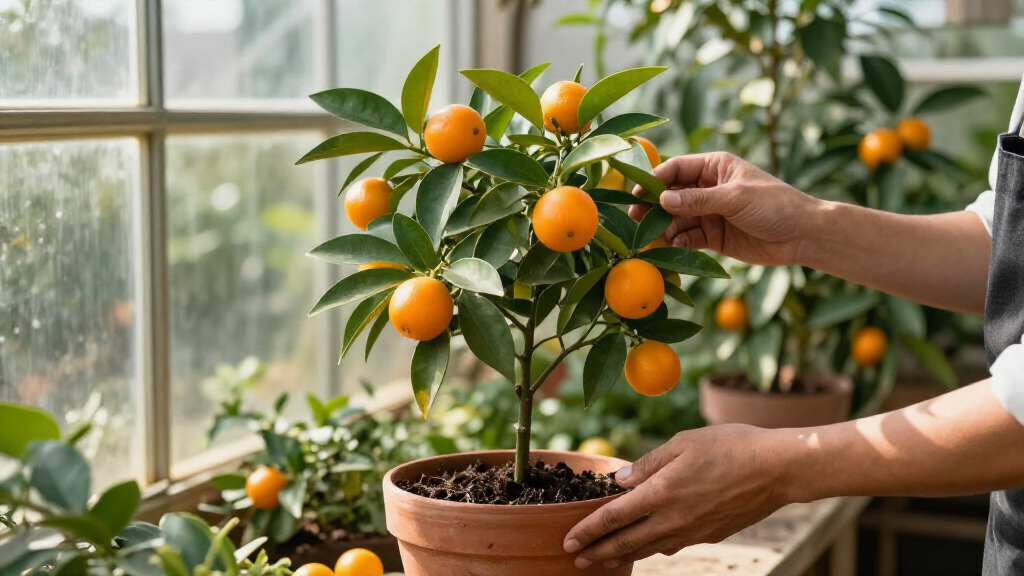
For planting, the guide recommends choosing a sunny site with soil that drains well. Container growers should use an appropriate potting mix and a container with open drainage holes. Water thoroughly, then wait until the upper part of the growing mix begins to dry before watering again. Pots should not sit in saucers full of water.
Grow Organic advises protecting container trees from damaging freezes, feeding them according to the fertilizer label and pruning lightly. Remove dead branches and shoots growing below the graft, but avoid heavy pruning. Check leaves and stems regularly for pests, identify a problem before selecting a treatment, and follow product directions if using one.
Fruit and Care for Home Growers
The guide is relevant to gardeners deciding whether a kumquat can fit their space and climate. Its advice addresses both in-ground planting and container growing, while noting that potted trees need suitable drainage and protection when freezing conditions threaten. The report says kumquats are self-pollinating, so a single tree can produce fruit without another kumquat nearby.
Kumquats also offer an edible harvest that can be used in marmalade, chutney, salads and baked dishes. Their fruiting season often falls in cooler months in the United States, according to the report, though timing varies. It recommends using the bright orange color as a ripeness cue and tasting a fruit before harvesting.
The nutrition figures give readers a defined serving-size basis rather than a general health promise. Grow Organic reports approximately 71 calories, 6.5 grams of fiber and 43.9 milligrams of vitamin C per 100 grams of raw kumquats, citing USDA data. It describes these as food-content figures and says the fruit should be enjoyed as part of a balanced diet.
Products Worth Considering

Sonos Era 100 SL Wireless Speakers, Black, Pack of 2

Samsung S85H 48-Inch 4K OLED Smart TV (2026)

Sonos One (Gen 2) Two-Room Set Voice-Controlled Smart Speaker with Alexa (2-Pack, Black)
As an affiliate, we earn on qualifying purchases.
Varieties, Harvest and Nutrition
The report was published by Grow Organic and written by Bill Hageman. It brings together practical growing advice and information about eating the fruit; it is a horticultural guide, not a clinical study or a report of new health research. Its nutrition claims are attributed to USDA data, while the gardening instructions are recommendations from the publication.
The variety can influence taste: Nagami is generally more tart, while Meiwa is typically sweeter. Kumquat season varies by location and growing conditions, so the article does not give a single harvest date. It suggests sampling fruit before picking and says a grocery store or farmers market can help prospective growers try kumquats before choosing a tree.
The guide says grafted trees may start bearing fruit within one to two years under favorable conditions; seed-grown trees generally take longer. It gives a typical in-ground height of about 8 to 15 feet, while container trees may stay smaller. Actual growth and fruiting depend on variety, climate and care.
“Water thoroughly, then let the upper mix begin drying before watering again.”
— Grow Organic report, published Nov. 27, 2026
Local Conditions Shape Results
The report does not specify a universal planting calendar, watering frequency or harvest date. Those details depend on local climate, soil, container conditions and variety. Its one-to-two-year fruiting estimate applies to grafted trees under favorable conditions and should not be read as a guarantee.
Grow Organic says kumquats provide fiber, vitamin C and other nutrients, but it also states that they are not a proven weight-loss solution and that evidence is insufficient to show that eating them specifically reduces heart-disease risk. The guide does not present clinical evidence for medical benefits. It also does not provide a detailed pest-treatment protocol; growers are advised to identify pests and follow the label for any product used.
Plan for Sun and Cold
Readers considering a tree can first check whether their growing site offers full sun, good drainage and protection from damaging freezes. For a container, confirm that the pot has drainage holes and can be moved to shelter when needed. Choose a variety based on preferred flavor, and review local growing conditions before settling on planting and harvest timing.
Once established, monitor moisture rather than following a fixed watering schedule, inspect foliage and stems, and use fertilizer only as directed on its label. At harvest, taste fruit to check ripeness; wash it under running water before eating the peel and flesh together. The report gives care guidance but does not establish how a particular tree will perform in a given location.
Key Questions
Can kumquat trees grow in pots?
Yes. The report says kumquats can grow in containers with sufficient sunlight, well-draining mix and drainage holes. Water thoroughly, then let the upper mix begin drying before watering again, and move the pot to shelter before damaging freezes.
Can you eat kumquat skin?
Yes. The peel is edible and is usually eaten with the tart flesh. Wash the whole fruit under running water first; peeling is not necessary.
How long does a kumquat tree take to bear fruit?
Grow Organic says grafted trees may bear fruit within one to two years under favorable conditions. Seed-grown trees generally take longer, and timing varies with the variety, climate and care.
What is the difference between Nagami and Meiwa kumquats?
Nagami kumquats are usually oval and more tart. Meiwa fruit is typically rounder, with a thicker rind and sweeter flavor.
What nutrition figures does the report give?
Citing USDA data, the report lists about 71 calories, 6.5 grams of fiber and 43.9 milligrams of vitamin C per 100 grams of raw kumquats. Values vary with serving size, and the figures do not establish treatment effects.
Source: groworganic.com