The Costa Farms Snake Plant 3-Pack takes my top spot among the best IKEA houseplants because it combines near-indestructible care requirements with the kind of clean, architectural look that IKEA displays are known for. If you want color and movement instead, the Lemon Lime Maranta Prayer Plant folds its leaves up each night and thrives in the medium indirect light most apartments actually have, while the Costa Farms Money Tree delivers a statement-size centerpiece with a braided trunk straight out of the showroom. The main tradeoff in this category is between low-maintenance survivors like snake plants and Chinese evergreens, which tolerate neglect but grow slowly, and thirstier showpieces like calatheas and prayer plants, which demand consistent humidity and filtered water. Another decision point is buying multipacks of small 2-inch starts versus single larger plants that fill a shelf immediately. Keep reading for the full breakdown, including an artificial option for windowless rooms.
Complete the kit


Key Takeaways
- Snake plants dominated the top of my ranking because they tolerate low light, irregular watering, and dry air — the exact conditions in most IKEA-furnished apartments — while multipacks of 2-inch starts consistently ranked lower for impatient buyers.
- The biggest quality gap in this lineup was between Costa Farms-grown plants and anonymous multipacks: the branded singles arrived larger and more established, while the 6-packs of tiny pots required months of grow-out before they looked like display plants.
- Humidity-lovers (Rattlesnake Calathea, Lemon Lime Maranta, Tradescantia Nanouk) offered the most visual payoff but were the only picks in the roundup that can visibly decline within a week of improper watering.
- The Peace Lily and Chinese Evergreen emerged as the best middle ground — dramatic foliage with genuinely forgiving care — making them smarter first ‘real’ plants than the trending variegated options.
- The IKEA Fejka artificial succulent earned a legitimate spot for bathrooms, offices, and north-facing corners where every live option in this list would slowly fail, but it cannot replace the air-quality and growth appeal of the live picks.
| Essential Houseplant Collection, 4 Live Indoor Plants in Nursery Pots | 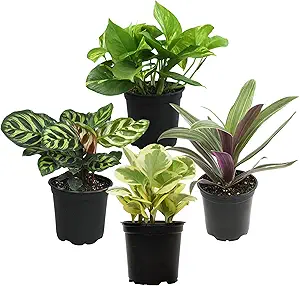 | Best Starter Assortment | Quantity: 4 plants | Pot size: 4.25 inches | Light: Partial sun; bright, indirect light recommended | VIEW LATEST PRICE | See Our Full Breakdown |
| Pothos and Philodendron Live Plants, 6-Pack, 2-Inch Pots |  | Best Value Per Plant | Quantity: 6 plants | Pot size: 2 inches | Light: Bright, indirect; tolerates medium light | VIEW LATEST PRICE | See Our Full Breakdown |
| Altman Plants Live Sansevieria Laurentii Snake Plant, 4-Inch Pot |  | Best for Neglect-Proof Care | Plant type: Sansevieria Laurentii | Pot size: 4.25-inch grower pot | Color: Variegated green with yellow edges | VIEW LATEST PRICE | See Our Full Breakdown |
| Costa Farms Live Snake Plants, Indoor, 8–12 Inches Tall, 3-Pack |  | Best Multi-Room Set | Plant type: Snake plant (Sansevieria) | Quantity: 3 live plants | Height: 8–12 inches | VIEW LATEST PRICE | See Our Full Breakdown |
| Lemon Lime Maranta Prayer Plant – Live Indoor Houseplant in 4-Inch Pot |  | Best Pet-Safe Statement Plant | Plant type: Lemon Lime Maranta (Prayer Plant) | Pot size: 4 inches | Height: 12–16 inches | VIEW LATEST PRICE | See Our Full Breakdown |
| Costa Farms Money Tree Live Indoor Plant with Braided Trunk | 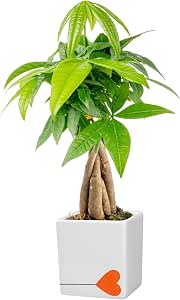 | Best Statement Floor Plant | Plant type: Money Tree (Pachira aquatica) | Trunk: Braided | Use: Indoor decorative plant | VIEW LATEST PRICE | See Our Full Breakdown |
| Tineke Variegated Rubber Plant, Live Indoor Ficus, 4-Inch Pot |  | Best Color Variation | Plant type: Ficus elastica (Tineke rubber plant) | Pot diameter: 4 inches | Approximate height: 8 inches | VIEW LATEST PRICE | See Our Full Breakdown |
| Rattlesnake Calathea Live Plant – Air Purifying Colorful Houseplant |  | Best for Humid Spaces | Plant type: Calathea lancifolia (Rattlesnake Calathea) | Sunlight exposure: Partial sun (indirect light) | Soil type: Sandy soil | VIEW LATEST PRICE | See Our Full Breakdown |
| Costa Farms Chinese Evergreen Live Indoor Plant |  | Best Low-Light All-Rounder | Plant type: Chinese Evergreen (Aglaonema) | Height at shipping: Approximately 14 inches | Watering: Water when top couple inches of soil are dry; allow drainage | VIEW LATEST PRICE | See Our Full Breakdown |
| Easy-to-Grow Live Houseplants, 6-Pack in 2-Inch Containers |  | Best Value Starter Set | Quantity: 6 plants | Container size: 2 inches each | Plant selection: Grower’s choice; varies by pack | VIEW LATEST PRICE | See Our Full Breakdown |
| Live Peace Lily Plant (Spathiphyllum), 4-Inch Grower Pot |  | Best for Low-Light Rooms | Scientific name: Spathiphyllum | Pot diameter: 4 inches | Expected plant height: 8 inches | VIEW LATEST PRICE | See Our Full Breakdown |
| Shop Succulents Ficus Repens Creeping Fig Live Indoor Plant |  | Best Trailing Vine | Plant name: Ficus Repens (Creeping Fig) | Pot size: 6-inch nursery pot | Light requirement: Bright indirect to low light | VIEW LATEST PRICE | See Our Full Breakdown |
| Tradescantia Nanouk Lilac Wandering Jew Live Plant – 4″ White Pot |  | Best Gift Pick | Plant type: Tradescantia Nanouk (Wandering Jew) | Leaf color: Lilac | Pot size: 4 inches | VIEW LATEST PRICE | See Our Full Breakdown |
| Assorted Live Indoor Houseplants, 6-Pack |  | Best Value Bundle | Quantity: 6 live plants | Pot size: 2 inches | Approximate height: 4–6 inches | VIEW LATEST PRICE | See Our Full Breakdown |
| IKEA Fejka Artificial Potted Succulent Plant |  | Best Zero-Effort Option | Brand: IKEA | Model: 203.953.31 | Plant type: Artificial succulent | VIEW LATEST PRICE | See Our Full Breakdown |
| IKEA houseplant | Plant type |
|---|---|
| Essential Houseplant Collectio | — |
| Pothos and Philodendron Live P | — |
| Altman Plants Live Sansevieria | Sansevieria Laurentii |
| Costa Farms Live Snake Plants | Snake plant (Sansevieria) |
| Lemon Lime Maranta Prayer Plan | Lemon Lime Maranta (Prayer Plant) |
| Costa Farms Money Tree Live In | Money Tree (Pachira aquatica) |
| Tineke Variegated Rubber Plant | Ficus elastica (Tineke rubber plant) |
| Rattlesnake Calathea Live Plan | Calathea lancifolia (Rattlesnake Calathea) |
| Costa Farms Chinese Evergreen | Chinese Evergreen (Aglaonema) |
| Easy-to-Grow Live Houseplants | — |
| Live Peace Lily Plant | — |
| Shop Succulents Ficus Repens C | — |
| Tradescantia Nanouk Lilac Wand | Tradescantia Nanouk (Wandering Jew) |
| Assorted Live Indoor Houseplan | — |
| IKEA Fejka Artificial Potted S | Artificial succulent |
More Details on Our Top Picks
Essential Houseplant Collection, 4 Live Indoor Plants in Nursery Pots
This four-plant assortment works like a curated starter kit for anyone building a shelf of greenery in one order. Compared with the Pothos and Philodendron 6-Pack, which gives you more plants but only in tiny 2-inch pots, this collection arrives in roomier 4.25-inch nursery pots, so each plant reads as a finished display piece rather than a propagation start. The tradeoff is the gamble: varieties are selected based on availability, so you could receive a forgiving Pothos or a fussier Calathea or Fern, and each will have different light and watering needs. That makes it less predictable than a single-species pick like the Sansevieria Laurentii, but far more visually varied for a bookshelf or entryway.
Pros:- Four distinct plants create instant visual variety
- Larger 4.25-inch pots look display-ready out of the box
- Greenhouse-grown and hand-selected for plant health
- Popular varieties included are generally low-maintenance
Cons:- Plant varieties are not guaranteed and vary with availability
- Mixed species means conflicting light and watering routines
Best for: First-time plant buyers who want instant variety across a shelf without buying four separate plants
Not ideal for: Buyers who want to know exactly what they’re getting — the mystery assortment can include humidity-loving varieties that don’t suit dry apartments
- Quantity:4 plants
- Pot size:4.25 inches
- Light:Partial sun; bright, indirect light recommended
- Expected height:10 inches
- Indoor/outdoor use:Indoor and outdoor
- USDA hardiness zone:Zones 10–11
- Special features:Air purification, compact, low maintenance
Our verdict“Choose this if you want maximum variety in one purchase and accept a lucky-dip element in what arrives.”
Pothos and Philodendron Live Plants, 6-Pack, 2-Inch Pots
Six trailing plants for the price of one or two finished specimens makes this the best cost-per-plant play in the lineup. The catch is scale: these arrive in 2-inch pots, so unlike the Essential Houseplant Collection in 4.25-inch pots, they won’t fill a windowsill immediately — expect a few months of growing before they look substantial. What you get in exchange is flexibility. Pothos and philodendrons tolerate medium light and forgive missed waterings, making them more forgiving than the Lemon Lime Maranta, which sulks without humidity. These are ideal candidates for repotting into ceramic pots, propagating into cuttings, or trailing from shelves in that layered, casual style IKEA displays do so well.
Pros:- Six plants in one order at a low cost per plant
- Both species tolerate medium light and forgiving of missed watering
- Excellent for propagating and multiplying your collection
- Grows year-round indoors
Cons:- Tiny 2-inch pots require repotting and patience to reach display size
- Outdoor growing limited to USDA Zones 10–12
Best for: Budget-minded buyers and propagation hobbyists who want to grow plants into their own pots over time
Not ideal for: Anyone wanting an instant, finished look on day one — 2-inch starts need months to fill out
- Quantity:6 plants
- Pot size:2 inches
- Light:Bright, indirect; tolerates medium light
- Watering:Water when soil begins to dry
- Soil:Loose, well-draining potting soil
- Outdoor range:USDA Zones 10–12
Our verdict“Buy this if you’d rather grow six plants from small starts than pay more for one finished specimen.”
Altman Plants Live Sansevieria Laurentii Snake Plant, 4-Inch Pot
If your plants mostly need to survive without you, a single Sansevieria Laurentii is the safest bet here. It tolerates low, medium, or bright light and shrugs off sparse watering — a wider tolerance band than the Costa Farms 3-Pack claims, and far beyond what the Lemon Lime Maranta demands in humidity and light discipline. The variegated yellow-edged leaves give it more architectural presence than a plain pothos, working well as a sculptural single accent next to a sofa or in a hallway. Being fully rooted in a 4.25-inch grower pot means it arrives looking established. The main drawback is scale — one 10-inch plant covers one spot, so filling multiple rooms means buying multiples or springing for the three-pack instead.
Pros:- Tolerates low, medium, and bright light conditions
- Drought tolerant with minimal watering needs
- Variegated yellow-edged leaves add structural, sculptural appeal
- Fully rooted and beginner-friendly out of the box
Cons:- Outdoor growing restricted to USDA Zones 10–12
- Slow growth means it stays near its shipped size for a long time
Best for: Frequent travelers and low-light apartment dwellers who want one striking, near-indestructible plant
Not ideal for: Buyers decorating several rooms on one order — a single 10-inch plant covers limited ground
- Plant type:Sansevieria Laurentii
- Pot size:4.25-inch grower pot
- Color:Variegated green with yellow edges
- Light:Full sun; tolerates low to bright light
- Expected height:10 inches
- Soil:Sandy soil
- USDA zones:10–12
Our verdict“This is the pick for anyone who wants dramatic foliage with the least ongoing effort of any live plant in this guide.”
Costa Farms Live Snake Plants, Indoor, 8–12 Inches Tall, 3-Pack
Three snake plants at 8–12 inches each solve the problem the single Altman Sansevieria can’t: covering multiple rooms in one order. Place one on a nightstand, one in a dim hallway, one on an office desk — each tolerates low light and infrequent watering, so a busy household can keep all three alive with almost no routine. Compared with the Pothos and Philodendron 6-Pack, these arrive at display size rather than as small starts, trading quantity for immediate impact. Be aware that no pots are included, so budget for three cachepots — though that’s arguably a plus if you want plants to match your own ceramic or terracotta. Appearance can vary plant to plant, so expect some inconsistency in height and fullness across the trio.
Pros:- Three plants at display size (8–12 inches) spread across multiple spaces
- Tolerates low light and infrequent watering
- Ships in protective packaging
- Ideal for beginners and busy owners
Cons:- Plant appearance and condition may vary between units
- No decorative pots or accessories included
Best for: New plant owners furnishing several rooms at once who want identical, forgiving greenery
Not ideal for: Buyers expecting a gift-ready unboxing — plants arrive in grower pots with no decorative containers
- Plant type:Snake plant (Sansevieria)
- Quantity:3 live plants
- Height:8–12 inches
- Light needs:Tolerates low light
- Watering:Tolerates infrequent watering
- Use:Indoor
Our verdict“The simplest way to green three rooms with one order and near-zero maintenance.”
Lemon Lime Maranta Prayer Plant – Live Indoor Houseplant in 4-Inch Pot
This is the most characterful plant in the batch — vivid lemon-and-lime foliage whose leaves fold upward at night, earning the prayer plant name. Its standout credential for pet owners is ASPCA-certified non-toxic, which none of the pothos, philodendron, or snake plant options can claim; those are all best kept away from cats and dogs. Arriving at 12–16 inches, it also makes a bigger immediate statement than the 10-inch Sansevieria or the assorted collection. But character comes at a cost: unlike the near-indestructible Costa Farms Snake Plants, this plant wants humidity, occasional misting, and protection from direct sun that can scorch its leaves. It’s low-effort by Calathea-family standards, not by snake-plant standards.
Pros:- ASPCA-certified non-toxic and pet-safe
- Dramatic lemon-lime foliage with nightly leaf movement
- Air purifying and arrives at a substantial 12–16 inches
- Hand-packed from a certified California facility
Cons:- Requires humidity and misting; not fully hands-off
- Direct sunlight can burn the leaves
- Individual plants vary in color intensity and shape
Best for: Cat and dog owners who want striking, non-toxic foliage and will mist occasionally
Not ideal for: Forgetful waterers and dry-climate homes — it needs humidity and will show damage in neglected conditions
- Plant type:Lemon Lime Maranta (Prayer Plant)
- Pot size:4 inches
- Height:12–16 inches
- Light:Bright, indirect light / partial sun
- Watering:Every 1–2 weeks
- Temperature:65–75°F (18–24°C)
- Pet safe:Yes (ASPCA non-toxic)
- Blooming period:Spring to summer
Our verdict“The clear choice for pet households that want the guide’s most eye-catching plant and can offer humidity.”
Costa Farms Money Tree Live Indoor Plant with Braided Trunk
Among all the foliage options in this lineup, this Money Tree is the one that reads as furniture rather than decoration. The braided trunk gives it a sculptural presence that leafy options like the Chinese Evergreen simply can’t match — those plants fill a shelf, while this fills a corner. It also carries the traditional good-fortune association, which makes it a more meaningful gift than a generic green starter plant. The tradeoff is temperament: compared with the nearly indestructible snake plants elsewhere in this roundup, Pachira aquatica prefers consistent watering and dislikes being moved around. Natural variation between specimens means the plant you receive may look different from the photo, and it’s off-limits to pets who chew.
Pros:- Braided trunk creates instant visual impact as a floor-level statement
- Bright green foliage suits nearly any interior style
- Ships fresh from the farm in protective packaging
- Works as a gift for housewarmings and occasions
Cons:- Requires more attentive watering than snake plants or pothos packs
- Each plant varies naturally, so appearance isn’t guaranteed to match photos
Best for: Buyers who want one tall, sculptural plant to anchor an entryway or living room corner, or a gift with symbolic meaning
Not ideal for: Pet owners with curious cats or dogs, since it’s not safe for animal consumption
- Plant type:Money Tree (Pachira aquatica)
- Trunk:Braided
- Use:Indoor decorative plant
- Foliage:Bright green
- Arrival condition:Fresh from the farm in protective packaging
- Variation:Each plant may vary naturally
- Pet safety:Not intended for human or pet consumption
Our verdict“Choose this if you want a single eye-catching plant that functions as room decor rather than a tabletop accent.”
Tineke Variegated Rubber Plant, Live Indoor Ficus, 4-Inch Pot
While most picks in this guide are valued for being forgiving, the Tineke rubber plant earns its spot on looks alone. Its green-and-white variegated leaves, flushed with pink or red on new growth, deliver more color interest than the uniformly green Money Tree and more pattern than the Lemon Lime Maranta featured elsewhere. It arrives pre-potted with drainage holes, so there’s no repotting project on day one — a small but real advantage over bare-root or grower-tray options. The honest tradeoff: variegated ficus plants are pickier about light. Give it bright, indirect sun or the white portions of the leaves lose their definition, and shipping can shift the soil in that small 4-inch pot, so expect a short settling-in period.
Pros:- Striking green, white, pink, and red coloration in a single plant
- Pre-potted in a 4-inch pot with drainage holes
- Relatively easy care for a variegated plant
- Compact 8-inch height fits desks and shelves
Cons:- Needs bright, indirect light to maintain variegation
- Plant received may differ from listing photos
- Soil can shift during shipping
Best for: Plant enthusiasts with a bright window who want multicolored foliage as a focal point on a desk or side table
Not ideal for: Low-light apartments — insufficient light will fade the signature variegation that justifies the purchase
- Plant type:Ficus elastica (Tineke rubber plant)
- Pot diameter:4 inches
- Approximate height:8 inches
- Light:Bright, indirect sunlight
- Watering:Water when soil is 50% dry
- Container material:Plastic
- Colors:Green, white, pink, red
- Usage:Indoor
Our verdict“This is the pick for buyers who care most about foliage color and have the bright light to support it.”
Rattlesnake Calathea Live Plant – Air Purifying Colorful Houseplant
The Rattlesnake Calathea occupies a specific niche that nothing else in this roundup fills: it thrives in the humid, indirect-light conditions of bathrooms and kitchens where fussier picks would struggle — and where the drought-tolerant snake plant three-pack, while happy, looks utilitarian by comparison. Its lemon-lime striped foliage adds color that the Chinese Evergreen matches but with a livelier personality: the leaves actually fold upward at night, a prayer-plant behavior that startles unprepared buyers even though it’s healthy. Compared with the 6-pack starter sets, this is a single-specimen plant for someone who wants a known quantity rather than a grab bag. The real commitment is humidity — dry air will crisp those beautiful leaf edges fast.
Pros:- Vibrant lemon-lime foliage with distinctive striped patterning
- Genuinely comfortable in humid, indirect-light spaces
- Compact size suits desks, shelves, and countertops
- Adds air-purifying benefit to small rooms
Cons:- Requires consistent humidity that many homes lack
- Nightly leaf-folding can be mistaken for a problem
- Less forgiving than pothos or snake plant alternatives
Best for: Buyers with a bright bathroom or humid kitchen who want colorful foliage that thrives where other plants struggle
Not ideal for: Owners of dry, centrally heated homes who won’t run a humidifier — the leaf edges will brown
- Plant type:Calathea lancifolia (Rattlesnake Calathea)
- Sunlight exposure:Partial sun (indirect light)
- Soil type:Sandy soil
- Humidity preference:Consistent humidity
- Foliage:Lemon-lime striped
- Usage:Indoor, home or office
- Special behavior:Leaves fold at night (prayer plant)
Our verdict“Pick this if you have a naturally humid spot and want a colorful plant that will actually look better there than anywhere else.”
Costa Farms Chinese Evergreen Live Indoor Plant
For pure tolerance of imperfect conditions, the Chinese Evergreen is the plant I’d point nervous beginners toward. It handles dim corners that would fade the Tineke rubber plant, needs water only when the top couple inches of soil dry out, and its slow growth means it stays desk-sized far longer than faster foliage options. The patterned leaves bring more decorative color than plain-green picks like the Money Tree, without the humidity demands of the Rattlesnake Calathea. Two honest caveats: it ships at roughly 14 inches, so it’s a mid-size accent rather than a floor plant, and it cannot be delivered to Alaska, Arizona, California, Guam, or Hawaii — a real limitation that narrows its audience. Winter deliveries also risk cold stress.
Pros:- Tolerates low light better than variegated or flowering picks
- Watering only needed when topsoil dries — very forgiving schedule
- Patterned foliage adds color to desks and shelves
- Ships fresh from the farm at about 14 inches tall
Cons:- Cannot ship to Alaska, Arizona, California, Guam, or Hawaii
- Freezing temperatures during delivery may stress the plant
- Slow growth limits how quickly it fills a space
Best for: First-time plant owners and office workers with low light who want colorful foliage with minimal effort
Not ideal for: Residents of the five excluded shipping states, and anyone needing a large floor-level plant
- Plant type:Chinese Evergreen (Aglaonema)
- Height at shipping:Approximately 14 inches
- Watering:Water when top couple inches of soil are dry; allow drainage
- Growth rate:Slow-growing
- Hardiness zones:USDA Zones 10–11
- Shipping exclusions:Alaska, Arizona, California, Guam, Hawaii
- Pet safety:Not intended for human or animal consumption
Our verdict“This is the safest single-plant choice for low-light rooms and forgetful waterers — if it ships to your state.”
Easy-to-Grow Live Houseplants, 6-Pack in 2-Inch Containers
If the goal is filling multiple surfaces for one purchase, this 6-pack of rooted houseplants beats any single-specimen option here on sheer quantity. Unlike the Pothos and Philodendron 6-Pack also in this roundup, the selection is grower’s choice — you might receive fittonia, aralia, dieffenbachia, spider plant, or peperomia — which makes each unboxing a small surprise and each plant a different care puzzle. That variety is the appeal and the risk: a dieffenbachia demands different handling than a pothos, and some varieties are not pet-safe, so households with animals should plan carefully or skip it for the pet-friendlier alternatives. The tiny 2-inch containers also mean plants arrive small and need potting up within weeks rather than months.
Pros:- Six live, rooted plants in a single purchase
- Mixed varieties create diverse displays across shelves and windowsills
- 2-inch containers are easy to arrange and rearrange
- Generally easy-to-grow foliage selections
Cons:- Grower’s choice means no control over which varieties arrive
- Some included plants may be toxic to pets
- Small pots require repotting soon after arrival
Best for: Budget-conscious beginners and hobbyists who want to build a collection quickly and enjoy variety
Not ideal for: Pet households unwilling to identify and segregate potentially toxic varieties like dieffenbachia
- Quantity:6 plants
- Container size:2 inches each
- Plant selection:Grower’s choice; varies by pack
- Possible varieties:Fittonia, pothos, aralia, dieffenbachia, spider plant, philodendron, peperomia
- Plant condition:Live and rooted
- Pet friendliness:Some varieties may not be pet-friendly
Our verdict“This pack makes sense for collectors who value quantity and variety over predictability — just vet it against your pets.”
Live Peace Lily Plant (Spathiphyllum), 4-Inch Grower Pot
Most entries in this roundup ask for a bright windowsill; this peace lily is the pick that doesn’t. It tolerates partial shade, which makes it the natural choice for dim bedrooms or north-facing offices where the Tineke Variegated Rubber Plant would struggle. The fragrant white blooms in spring are a genuine bonus — few low-light plants flower indoors at all. Compared with the Chinese Evergreen, another shade-tolerant option, the peace lily communicates its needs clearly by drooping when thirsty, which makes care forgiving for forgetful owners. The tradeoff is patience: it may arrive without blooms, so buyers expecting flowers out of the box should temper expectations. It also ships in a plain grower pot, so plan on buying a decorative container — unlike the Tradescantia Nanouk, which arrives display-ready.
Pros:- Thrives in low-light areas where most houseplants fail
- Droops visibly when thirsty, making care easy to read
- Fragrant white blooms in spring
- Grower pot includes drainage holes
Cons:- May arrive without any blooms
- No decorative pot included
Best for: Plant owners with dim rooms who want a flowering, forgiving houseplant that survives neglect
Not ideal for: Buyers wanting instant color or a finished look — it may ship bloom-free and lacks a decorative pot
- Scientific name:Spathiphyllum
- Pot diameter:4 inches
- Expected plant height:8 inches
- Light exposure:Partial shade
- Watering needs:Moderate
- Expected blooming period:Spring
- Container material:Plastic
- Usage:Indoor
Our verdict“This is the plant to buy if your space lacks light but you still want flowers and forgiving care.”
Shop Succulents Ficus Repens Creeping Fig Live Indoor Plant
Where the Peace Lily sits politely on a table, this creeping fig wants to climb, trail, and cover. Its trailing growth habit makes it the only true vine in this lineup, suited to trellises, shelf edges, or living walls. It adapts to a wider range of light than fussier foliage plants — the Rattlesnake Calathea demands consistency, while this ficus tolerates everything from bright indirect down to lower light. The 6-inch nursery pot gives it a head start over the 2-inch starter plants in the assorted 6-packs. The catch is aesthetic labor: without training and pruning, it can look scraggly rather than sculptural, and buyers who want a set-and-forget plant may prefer the snake plants elsewhere in this guide.
Pros:- Versatile trailing habit works on trellises, shelves, or as ground cover
- Tolerates a wide range of light conditions
- Larger 6-inch pot gives a stronger start than starter plugs
- Low overall maintenance once established
Cons:- Requires training and pruning for a tidy look
- Light conditions still need occasional monitoring
Best for: Decorators who want a trainable vine for trellises, shelves, or vertical greenery projects
Not ideal for: Hands-off owners — it needs training and occasional pruning to look its best
- Plant name:Ficus Repens (Creeping Fig)
- Pot size:6-inch nursery pot
- Light requirement:Bright indirect to low light
- Maintenance level:Low
- Growth habit:Trailing/creeping
- Usage:Indoor and office decor
Our verdict“Choose this if you want a plant that grows into your decor rather than just sitting in it.”
Tradescantia Nanouk Lilac Wandering Jew Live Plant – 4″ White Pot
This is the only plant in the roundup that arrives ready to gift — the minimalist white pot means no repotting before display, something neither the Peace Lily nor the creeping fig can claim. The lilac foliage is its real selling point: while most picks here lean green, the Nanouk delivers pink-and-purple tones without the humidity demands of the Rattlesnake Calathea, its closest competitor for color. Its compact 4-inch size suits desktops, nightstands, and small shelves where a money tree or rubber plant would overwhelm. The tradeoffs are real, though — it scorches in direct sun, so placement matters, and keeping it full requires occasional propagation from cuttings, which not every recipient will bother with.
Pros:- Unique lilac foliage adds rare color to a mostly-green lineup
- Arrives in a stylish white pot, display-ready
- Minimal watering and light requirements
- Compact size fits desks and shelves
Cons:- Direct sunlight can damage the leaves
- Stays lush only with occasional propagation from cuttings
Best for: Gift-givers and small-space dwellers who want colorful, display-ready foliage without repotting
Not ideal for: Owners of very sunny south-facing windows — direct light can scorch the leaves
- Plant type:Tradescantia Nanouk (Wandering Jew)
- Leaf color:Lilac
- Pot size:4 inches
- Pot color:White
- Usage:Indoor or outdoor pots
- Care level:Low maintenance
Our verdict“The easiest gift in this roundup — colorful, compact, and presentable straight out of the box.”
Assorted Live Indoor Houseplants, 6-Pack
Six plants for the price of one established specimen is the whole pitch here, and for the right buyer it’s a strong one. The rotating assortment — potentially pothos, peperomia, spider plants, croton, and more — makes this a starter collection rather than a single purchase, ideal for filling a shelf in one order. Compared with the Pothos and Philodendron 6-Pack, which offers predictable varieties, this set trades certainty for variety: you might get a mix you love, or duplicates you don’t. The 2-inch pots and 4–6 inch heights mean these are plugs, not finished plants — the creeping fig in its 6-inch pot will look substantial on day one while these will not. Budget for time, trays, and eventual repotting.
Pros:- Six plants in a single order at a low per-plant cost
- Rotating assortment adds variety to a starter collection
- Well suited to grouped planters and event decor
- Shipped directly from the grower’s horticulture team
Cons:- Plant varieties are not guaranteed and vary by shipment
- Plants arrive small at 4–6 inches and need growing out
Best for: Budget-minded beginners and DIY decorators building a collection or filling planters at once
Not ideal for: Buyers who want specific varieties or immediate visual impact — the selection varies and plants arrive small
- Quantity:6 live plants
- Pot size:2 inches
- Approximate height:4–6 inches
- Plant varieties:Rotating assortment; may include pothos, peperomia, spider plants, croton, ficus, syngonium, begonia
- Best uses:Grouped planters, event decor, DIY projects
Our verdict“A smart buy for building volume cheaply, as long as you accept the surprise and the wait.”
IKEA Fejka Artificial Potted Succulent Plant
Every other pick in this guide can die; this one cannot. The Fejka succulent is the honest answer for people whose plants always meet an early end — it’s water resistant, wipe-clean, and suitable for bathrooms, shelves, and even sheltered outdoor spots where the Peace Lily or Tradescantia would fail. Its tiny footprint (under two and a half inches wide) suits cramped ledges and bookcases, and the appearance holds year-round with no seasonal decline. The tradeoff is equally simple: no growth, no air-quality contribution, and none of the satisfaction live plants provide. At 13 grams it can also feel light and plasticky up close, so it works best clustered or at a slight distance rather than as a standalone focal point.
Pros:- Completely maintenance free — no water or light needed
- Water resistant enough for bathrooms and outdoor decor
- Holds its appearance year-round with no seasonal decline
- Very small footprint fits cramped shelves and ledges
Cons:- Provides none of the benefits or rewards of a live plant
- Lightweight construction can look artificial up close
Best for: Frequent travelers, windowless bathrooms, and serial plant-killers who want permanent greenery
Not ideal for: Plant lovers who want growth, propagation, or the satisfaction of keeping something alive
- Brand:IKEA
- Model:203.953.31
- Plant type:Artificial succulent
- Materials:EVA plastic, polyethylene, polypropylene, paint
- Dimensions:2.36 × 2.36 × 5.12 in
- Weight:13 g
- Usage:Indoor and outdoor
- Care:Wipe clean with a dry cloth
Our verdict“The right choice when survival odds are zero and permanent greenery is the goal.”

How We Picked
I judged every plant in this lineup against four buyer-relevant criteria: survivability under imperfect care, visual impact at the size shipped, light flexibility, and growth trajectory — whether the plant looks good on day one or needs months to mature. Because IKEA shoppers typically buy plants for specific rooms rather than building collections, I weighted light tolerance and out-of-the-box appearance more heavily than rarity or collector appeal. A plant that arrives small but fills out fast could still rank well; a plant that arrives small and stays small could not.
The ranking also reflects a realistic split between plant parents. Hard-to-kill structural plants (snake plants, Chinese evergreen, pothos) cluster at the top because they suit the largest number of buyers, while high-maintenance beauties (calathea, prayer plant, variegated ficus) rank lower despite superior looks — not because they are worse plants, but because they punish the inconsistent watering that defines most beginners. The artificial Fejka was evaluated on a separate axis entirely: consistency and placement flexibility where no live plant would survive.
Factors to Consider When Choosing Best IKEA Houseplants
Choosing between these plants comes down to matching the plant to your actual living conditions, not the conditions you wish you had. Before buying, work through the factors below — they explain most of the failures I see with store-bought houseplants.Honest Light Assessment Beats Wishful Thinking
The single most common mistake is overestimating your light. What nurseries call ‘low light’ still means a window within a few feet — not a dim hallway corner. South- and west-facing windows support nearly everything in this roundup, including the light-hungry Tineke rubber plant, while north-facing windows limit you to snake plants, pothos, Chinese evergreen, and the peace lily. If your target spot gets no natural light at all, no live plant on this list will survive long-term, which is exactly why the artificial Fejka earned a place. Be honest before checkout: a calathea placed six feet from a north window will look worse in a month than a fake succulent would look in a decade.
Small Multipacks vs. Established Single Plants
The 2-inch multipacks in this lineup look like a bargain until you understand the tradeoff: those starts need 3–6 months of careful growth before they resemble the display photos. Established 4-inch and larger singles cost more per plant but deliver shelf-ready impact immediately, which matters if you are decorating a room this weekend. My general guidance: buy multipacks if you enjoy the propagation and grow-out process, and buy singles if you want the plant to be the finished object. Buyers who ignore this distinction are the ones surprised when a ‘6-pack of houseplants’ arrives looking like seedlings.
Your Watering Personality, Not the Plant’s Reputation
Every plant in this roundup has a care profile, but the variable that actually determines success is you. If you travel frequently or simply forget, the snake plant, pothos, Chinese evergreen, and creeping fig will forgive weeks of neglect. If you are an attentive daily checker, the maranta, calathea, and tradescantia will reward that attention with growth and color that stoic plants never produce. The worst pairing is an enthusiastic overwaterer buying a succulent or sansevieria — root rot from kindness kills more store-bought plants than neglect does. Match the plant to your actual habits, and the maintenance rankings in this guide become easy to apply.
Humidity and Placement Constraints
Bathrooms and kitchens, with their ambient moisture, are prime real estate for the tropical picks — prayer plants, calatheas, and tradescantia often double their vigor in a humid bathroom versus a dry living room. Conversely, forced-air heating near a radiator or HVAC vent will crisp the leaf edges of those same plants within weeks, no matter how well you water. Snake plants, rubber plants, and the artificial option are the only picks in this lineup that genuinely shrug off dry, drafty placement. If your home runs dry in winter and you refuse to run a humidifier, filter this list down to those tolerant picks before falling in love with a calathea’s foliage.
Pets, Kids, and Toxicity Tradeoffs
Several popular picks here carry real toxicity concerns: pothos, philodendron, peace lily, rubber plant, and snake plant all contain compounds that irritate cats, dogs, and curious toddlers. The prayer plant, calathea, Chinese evergreen, and tradescantia are the safer bets for households with pets, though no plant should be treated as edible. This factor routinely overrides aesthetics — the perfect shelf plant is worthless if you have to rehome it or your cat after a week. Decide your toxicity tolerance before browsing, because it will cut this list roughly in half and make the final choice much easier.
When Artificial Is the Right Answer
Artificial plants have shed much of their stigma, and in specific situations they outperform every live option: windowless offices, dark basements, rental units with sealed windows, or homes belonging to frequent travelers who still want greenery. The Fejka-style succulent costs less than most live picks, requires nothing, and never has an off day. The honest tradeoff is that it provides none of the intangibles people actually cite for owning plants — growth, change, air improvement, the satisfaction of keeping something alive. My recommendation is to treat artificial as a targeted solution for problem spots, not a wholesale replacement, and let the live picks handle everywhere else.
Frequently Asked Questions
Are IKEA houseplants good quality compared to garden centers?
Plants sold through IKEA’s supply chain and similar mass-market growers like Costa Farms are generally healthy and well-rooted, though they are optimized for turnover rather than long-term collector quality. The main differences from a specialty nursery are potting mix (mass-market plants often sit in dense, moisture-retentive soil that benefits from repotting) and acclimatization, since showroom plants live in fluorescent light and need a few weeks to adjust to your home. Buying from any high-volume source means inspecting for pests before introducing the plant to your collection. With a little attention at checkout and a repot after a month or two, these plants perform comparably to nursery stock at a lower cost.
Which plant from this list survives the darkest apartment?
The snake plant is the clear winner for genuinely dim conditions, tolerating low light better than anything else in this lineup while also surviving irregular watering. The Chinese evergreen and pothos are close seconds that add fuller, leafier texture in the same conditions. The peace lily will also live in low light, though it flowers far less there — a useful signal, since droopy peace lilies announce thirst clearly rather than dying quietly. Avoid placing the calathea, maranta, rubber plant, or creeping fig in low light; they will decline slowly rather than adapt, and no amount of watering fixes insufficient light.
Is buying the 2-inch multipacks worth it or should I get bigger plants?
The multipacks make sense only if you view them as a starting point rather than a finished look. A 2-inch start typically needs three to six months in good conditions before it fills a 4- or 6-inch display pot, so six tiny plants will not decorate a room the week they arrive. If your goal is immediate impact for a shelf or side table, a single established 4-inch or larger plant delivers more satisfaction per dollar spent. That said, multipacks are excellent for people who want to learn propagation, fill a propagation station, or distribute plants across many small spots. Just go in with realistic expectations about the timeline.
Which of these plants are safe for cats and dogs?
The safest options in this roundup are the prayer plant, rattlesnake calathea, Chinese evergreen, and tradescantia, which are widely cited as non-toxic to pets. Several popular picks are not: pothos, philodendron, peace lily, rubber plant, creeping fig, and snake plant all contain compounds that can cause oral irritation or digestive upset if chewed. If you have a cat that samples every new leaf, choose from the safe group and place even those out of easy reach, since any plant material can cause mild stomach upset. The artificial succulent is obviously the only truly chew-proof option, though it offers none of the benefits of a living plant.
Why is my IKEA plant dying after I brought it home?
The most common cause is transplant shock from a sudden change in environment — showroom plants grown under consistent fluorescent light and regulated watering need two to four weeks to acclimate to your home’s light and humidity, and some leaf drop during that window is normal. The second most common cause is overwatering immediately after purchase, usually from anxious new owners; most plants in this lineup prefer to dry slightly between waterings. Check the soil with your finger before every watering, keep the plant out of direct sun for the first week, and resist repotting until it has settled. If decline continues past a month, inspect the undersides of leaves for pests, which mass-market plants occasionally carry.
Conclusion
For most buyers, the Costa Farms Snake Plant 3-Pack is the best overall choice — it survives nearly everything, styles like a showroom piece, and covers three spots in one purchase. The Easy-to-Grow 6-Pack and Pothos/Philodendron 6-Pack are the best value picks for patient growers who want quantity and propagation material, while the Costa Farms Money Tree stands as the premium statement piece for anyone buying one large plant for a living room or entryway. Beginners should start with the Costa Farms Chinese Evergreen or Live Peace Lily, which offer lush foliage with honest, forgiving feedback when something is wrong.
For specific needs: choose the Lemon Lime Maranta or Rattlesnake Calathea if you have a bright, humid bathroom and an attentive watering habit; the Tradescantia Nanouk for fast color on a sunny shelf; the Tineke Rubber Plant for a floor plant under a bright window; and the Creeping Fig for trailing greenery on a high shelf. And if your target spot has no real light at all, the Fejka artificial succulent is the only honest recommendation. Match the plant to your light, your watering habits, and your pets first — everything else in this lineup follows from getting those three right.