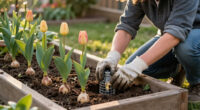
For gardeners who want a raised bed with season-extending cover, the Ohuhu 8 x 4 x 1 ft Raised Garden Bed with Greenhouse Cover is my best overall pick for its broad planting footprint and included greenhouse cover. The Quictent 6 x 3 x 2 ft models stand out for gardeners who want deeper soil and more vertical room, while the Backyard Expressions elevated wooden bed suits small patios and easier access. The main tradeoffs are footprint versus depth, metal versus wood, and whether you need a compact cover or room for taller crops. Read on for the full breakdown of all 12 options and how to choose between them.

Get garden gear delivered free with Prime
- Fast, free delivery on millions of items
- Prime Video, Amazon Music and more included
- Member-only deals all year
Complete the kit


Key Takeaways
- The Ohuhu 8 x 4 x 1 ft combines a wide planting area with a cover, making it the strongest all-around choice when bed footprint matters more than extra depth.
- Quictent’s 6 x 3 x 2 ft and 8 x 4 x 2 ft beds add soil depth and headroom compared with the one-foot-deep kits, better matching deeper-rooted crops and taller growth.
- Miory and Quictent’s 4 x 2.5 x 1 ft beds serve smaller spaces, but their compact growing area calls for a tighter crop plan than the wider beds.
- The GIANTEX set of two and Backyard Expressions elevated bed address different access needs: GIANTEX offers two covered growing units, while the wooden bed raises the work surface for patio gardeners.
- Several choices share similar galvanized-bed-and-cover designs; the clearest distinctions are dimensions, bed depth, number of units, and whether the design is elevated or ground-level.


| greenhouse raised garden bed | Dimensions | Cover material | Weight |
|---|---|---|---|
| Ohuhu 8 x 4 x 1 ft Raised Gard | — | PE (material description is inconsistent) | 11.5 kg |
| 67-Inch Galvanized Raised Gard | 67 x 20 x 10 in | — | — |
| Quictent Galvanized Raised Gar | — | Polyethylene (PE) | 10 lb |
| Miory Galvanized Raised Garden | 6 x 3 x 1 ft | High-density polyethylene (HDPE) | — |
| DUMOS Galvanized Raised Garden | 72 x 36 x 24 in | Clear PVC | 34.6 lb |
| Quictent Raised Garden Bed wit | 6 x 3 x 2 ft | — | 18.76 kg |
| GIANTEX Raised Garden Bed with | 22 x 44 x 60 in | — | 42 lb |
| Quictent Galvanized Raised Gar | 8 x 4 x 1 ft | — | — |
| Backyard Expressions Elevated | 36 x 24 in | — | — |
| Quictent Raised Garden Bed wit | 8 x 4 x 2 ft | — | — |
| Quictent Galvanized Raised Gar | 71 x 35.4 x 12 inches | PVC | 11.29 kg |
| Miory Raised Garden Bed with P | 47.24 x 29.92 x 11.81 inches | PE (polyethylene) | — |
More Details on Our Top Picks
Ohuhu 8 x 4 x 1 ft Raised Garden Bed with Greenhouse Cover
The Ohuhu earns my best-overall spot for pairing a roomy 8 x 4 ft bed with a cover that can come off when plants need open-air conditions. That flexibility is its clearest advantage over the smaller Quictent 4 x 2.5 ft, which takes up less space but offers less planting area. Four zippered doors and four vents give gardeners several ways to reach plants and manage airflow, while tool-free assembly can simplify setup. The tradeoff is a relatively low 1 ft bed height, so it is not a deep planter for crops with extensive root systems. I would also check the cover description before buying: the listed material is inconsistent, and its skirt may need weights to stay put in wind.
Pros:- Large 8 x 4 ft planting footprint
- Planter and greenhouse cover can be used together or separately
- Four zippered doors and four vents offer multiple access and airflow points
- Tool-free assembly for the planter and greenhouse frame
Cons:- The 1 ft bed depth may not suit crops that need a deeper root zone
- Cover skirt may need added weight to resist wind
- Cover material is described inconsistently in the product information
Best for: Gardeners with room for a large, versatile bed who want the option to remove the cover as weather changes
Not ideal for: Growers who need a deep-rooted planting area or a cover that stays secure in exposed, windy locations without added weights
- Planter dimensions:8 x 4 x 1 ft
- Greenhouse frame dimensions:97 x 50 x 51.6 in
- Planter material:Galvanized steel
- Cover material:PE (material description is inconsistent)
- Doors:4 zippered doors
- Vents:4
- Weight:11.5 kg
- Assembly:Tool-free for planter and greenhouse frame
Our verdict“Choose the Ohuhu if you want a wide greenhouse-ready bed with a removable cover and can accommodate its footprint.”
67-Inch Galvanized Raised Garden Bed, Metal Planter Box for Vegetables and Flowers, Large Outdoor Gardening Kit, Easy DIY Assembly, Weather-Resistant & Rust-Proof
This 67-inch galvanized bed is the practical choice for someone who wants raised planting space but does not need a greenhouse cover. Its 7 cu ft capacity and open bottom give roots room to spread into the ground while excess water drains away, a simpler arrangement than the covered DUMOS 6 x 3 x 2 ft setup. Double anti-corrosion coating and UV resistance are useful for a bed left outdoors through changing weather. The distinction matters: this is a raised bed, not a greenhouse kit, so it cannot provide the frost, insect, or animal shielding offered by the Ohuhu or Quictent covered options. Its 10-inch height also limits root depth, and the metal construction may take two people to position safely.
Pros:- 7 cu ft growing capacity in a 67-inch-long bed
- Open bottom supports drainage and root growth into the soil
- Double anti-corrosion coating is designed to resist rust and UV exposure
- Hardware and instructions are included for DIY assembly
Cons:- No greenhouse cover for extending the season or shielding plants
- 10-inch height limits planting depth
- Heavy metal construction may require two people to position
Best for: Gardeners who want a durable, open-bottom outdoor bed for vegetables, flowers, or herbs and already have separate plant protection
Not ideal for: Growers seeking a greenhouse cover for frost or pest protection, or those planting crops that need a deep soil profile
- Dimensions:67 x 20 x 10 in
- Capacity:7 cu ft
- Material:Galvanized steel
- Finish:Powder-coated, rust-resistant, and UV-resistant
- Shape:Oval
- Design:Open bottom
- Levels:1
- Color:Silver
Our verdict“Pick this bed if you want weather-resistant, open-air planting space and do not need the greenhouse protection built into the other covered picks.”
Quictent Galvanized Raised Garden Bed with Greenhouse Cover, 4 x 2.5 x 1 ft
For a small patio or a narrow garden area, the Quictent 4 x 2.5 ft keeps the raised bed and mini greenhouse in one compact footprint. Its removable PE cover and two zippered vents let a gardener adjust access and airflow without committing to a larger structure like the Ohuhu 8 x 4 ft. Steel support bars and a galvanized planter add structure, while the listed 10 lb weight makes it comparatively easy to handle. The limitation is growing room: this is better suited to a modest selection of herbs, flowers, or vegetables than to a broad family plot. With only one door and two vents, access and ventilation are less extensive than the Ohuhu’s four-door, four-vent layout.
Pros:- Compact 4 x 2.5 ft footprint suits smaller growing areas
- Removable cover allows use as a bed or mini greenhouse
- Two zippered vents support airflow and access
- Greenhouse frame includes steel support bars
Cons:- Limited planting area compared with the Ohuhu 8 x 4 ft bed
- One door provides fewer access points than multi-door alternatives
- One-foot bed depth may restrict deep-rooted crops
Best for: Balcony, patio, and small-yard gardeners who want a compact covered bed for a limited number of plants
Not ideal for: Gardeners who need broad planting capacity, multiple access points, or a deep bed for large root systems
- Bed size:4 x 2.5 x 1 ft
- Overall dimensions:49 x 31.5 x 36 in
- Weight:10 lb
- Planter material:Galvanized metal
- Frame material:Alloy steel
- Cover material:Polyethylene (PE)
- Doors and vents:1 door and 2 vents
- Warranty support:1 year for bed and cover; lifetime replacement for greenhouse frame connectors
Our verdict“Choose the Quictent if space is tight and a small removable-cover greenhouse matters more than planting capacity.”
Miory Galvanized Raised Garden Bed with PE Greenhouse Cover, 6 × 3 × 1 ft
The Miory 6 x 3 ft lands between the compact Quictent and the sprawling Ohuhu, offering a useful middle ground for gardeners who want cover protection without giving up too much outdoor space. Its bed and greenhouse cover can be used together or separately, and reinforced middle supports are intended to add stability to the galvanized frame. Two zippered windows provide access and airflow; that is less ventilation flexibility than the Ohuhu’s four doors and four vents, but the smaller footprint may be easier to fit beside a path or patio. Included gloves and plant labels make it a starter-friendly package. The main compromise is its 1 ft depth, and the cover may need added weights in windy areas.
Pros:- Mid-size 6 x 3 ft footprint balances planting area and space demands
- Can function as a raised bed, mini greenhouse, or both
- Two zippered windows provide airflow and plant access
- Includes plant labels and gloves
Cons:- One-foot bed depth may not suit deeper-rooted crops
- Cover may need added weights in windy areas
- Two windows offer fewer access and ventilation points than the Ohuhu
Best for: New gardeners seeking a mid-size covered bed with basic accessories and flexible open-bed or greenhouse use
Not ideal for: Growers needing deep soil, extensive ventilation options, or a cover that requires no extra securing in windy locations
- Dimensions:6 x 3 x 1 ft
- Frame material:Galvanized steel
- Cover material:High-density polyethylene (HDPE)
- Vents:2 zippered windows
- Use:Outdoor
- Frame support:Reinforced middle supports
- Included accessories:Plant labels and gloves
- Assembly:Easy assembly
Our verdict“The Miory suits beginners who want a mid-size covered bed and useful starter accessories, provided they can secure the cover when winds pick up.”
DUMOS Galvanized Raised Garden Bed with Clear Cover, 6x3x2 ft
The DUMOS 6 x 3 x 2 ft stands out for its 2 ft height and stated 36 cu ft capacity, giving deep-rooted vegetables and herbs more room than the one-foot Ohuhu, Miory, and compact Quictent beds. Its clear PVC cover makes this the strongest fit in this group for buyers prioritizing a taller covered growing space, while the open-bottom design lets excess water drain into the ground. Galvanized steel is listed as rust-resistant, and tools and instructions are included for assembly. That extra depth comes with a real handling cost: at 34.6 lb, it is heavier than the smaller Quictent and less convenient to move once positioned. The supplied details also do not specify doors or vents, so airflow control is less clear than on the Ohuhu or Miory.
Pros:- Two-foot height provides more depth for root growth than one-foot alternatives
- Stated 36 cu ft capacity across a 6 x 3 ft footprint
- Open-bottom design supports drainage
- Clear PVC cover and included assembly tools support covered growing setup
Cons:- At 34.6 lb, it is harder to move than the compact Quictent
- Product details do not specify doors or vents for airflow and access
- Greater height and capacity may require more soil and a larger setup effort
Best for: Gardeners growing deeper-rooted crops who want a taller covered bed with an open bottom
Not ideal for: Buyers who need a lightweight, easily relocated bed or want clearly specified greenhouse ventilation and access features
- Dimensions:72 x 36 x 24 in
- Size:6 x 3 x 2 ft
- Capacity:36 cu ft
- Weight:34.6 lb
- Frame material:Galvanized steel
- Cover material:Clear PVC
- Design:Open bottom
- Assembly:Tools and instructions included
Our verdict“Choose the DUMOS if extra bed depth is your priority and you can set it in place without needing to move it often.”
Quictent Raised Garden Bed with Mini Greenhouse Cover, 6x3x2 ft Galvanized Metal Planter Box
The 6 x 3 x 2-foot Quictent suits gardeners who want to change how they protect crops as the weather shifts: use it as a planter, add the cover as a mini greenhouse, or combine both. Its reinforced middle poles address a concern with a tall metal bed by helping the sides resist bowing, while zippered windows let growers adjust airflow and limit pest access. Compared with the 8 x 4 x 2-foot Quictent, this model takes up less room and should be easier to fit into a modest garden, though it gives up growing area. The tradeoff is the tall, multi-part assembly, which may take effort, and its clear cover can overheat plants in strong sun unless ventilation is managed. I’d choose it for flexibility, not for a low-maintenance setup.
Pros:- Three configurations allow use as a planter, covered greenhouse, or combination
- Reinforced galvanized metal sides are designed to resist weather and bending
- Zippered windows give growers control over ventilation and access
- Two-foot bed height provides substantial soil depth
Cons:- Heavy metal components and the multi-part kit can make assembly demanding
- Clear cover may trap excessive heat if windows are not opened in hot weather
Best for: Outdoor gardeners who want a deep, adaptable bed with the option to add greenhouse protection as conditions change
Not ideal for: Buyers who want quick, simple assembly or garden in a hot, sunny location where they cannot regularly vent the clear cover
- Brand:Quictent
- Dimensions:6 x 3 x 2 ft
- Bed material:Galvanized metal
- Cover materials:Polyethylene (PE) and PVC
- Weight:18.76 kg
- Use:Outdoor
- Cover:Clear, with zippered windows
- Warranty:1 year for bed and cover; lifetime coverage for frame connectors
Our verdict“Choose this Quictent if you want a deep, configurable greenhouse bed in a smaller footprint than its 8 x 4-foot counterpart.”
GIANTEX Raised Garden Bed with Greenhouse Cover, 44 x 22 x 60 in, Set of 2
This GIANTEX two-bed set prioritizes access and separation over the deep, ground-level planting area offered by the Quictent beds. Each elevated planter has a 32-inch working height, a drainage hole, and a PE cover with a roll-up zippered door, making watering and harvesting easier without kneeling. Having two beds also lets gardeners separate herbs from vegetables or keep different crops under their own cover. The covers offer protection from sun, rain, frost, and small animals, while reinforced crossbars support the planters. Compared with the compact Backyard Expressions wooden bed, GIANTEX provides two covered growing zones rather than one, but the 5-cubic-foot capacity is shared across the set. The covers may also need to come off in summer if plants need open-planter conditions, adding seasonal upkeep.
Pros:- Two separate elevated beds make it easier to organize different crops
- 32-inch working height reduces bending during planting and harvest
- Roll-up zippered doors provide access and airflow
- Drainage holes, reinforced crossbars, and anti-slip foot pads support practical use
Cons:- The stated 5-cubic-foot capacity is limited for gardeners seeking substantial planting volume
- Covers may need to be removed for open-planter growing during summer
Best for: Gardeners with limited mobility or back discomfort who want two elevated covered beds for separated crops
Not ideal for: Growers who need a large, continuous soil bed, deep root space, or a cover-free setup without seasonal adjustments
- Brand:GIANTEX
- Set contents:2 raised beds, 2 greenhouse covers, gloves, and user manual
- Dimensions:22 x 44 x 60 in
- Working height:32 in
- Capacity:5 cu ft
- Weight:42 lb
- Materials:Electro-coated metal planter and PE cover
- Features:Drainage hole, roll-up zippered door, reinforced crossbars, and anti-slip foot pads
Our verdict“Pick GIANTEX if two elevated, independently covered planting areas matter more than the larger soil volume of a ground-level Quictent bed.”
Quictent Galvanized Raised Garden Bed with Greenhouse Cover, 8 x 4 x 1 ft
The 8 x 4-foot Quictent is the broadest choice in this group for gardeners who value a large planting footprint more than deep soil. Its one-foot bed is shallower than the 8 x 4 x 2-foot Quictent, so it uses less vertical soil depth while retaining the same listed width and length. That makes it a better match for leafy greens, herbs, and other crops that do not call for a deep bed. The detachable greenhouse cover and zippered windows let growers open the space up or manage ventilation, and reinforced middle supports add stability across the wide frame. Product details do not specify weight or capacity, so planning soil delivery may take extra guesswork. I’d favor this model for a spacious garden plot, not for deep-rooted crops or a compact patio.
Pros:- Large 8 x 4-foot footprint provides room to spread out crops
- Detachable greenhouse cover allows covered or open-bed growing
- Zippered windows support ventilation and temperature adjustment
- Reinforced middle supports help stabilize the wide bed
Cons:- One-foot bed depth offers less soil volume for deep-rooted plants than the 2-foot Quictent models
- Product details do not state the bed’s weight or soil capacity, making setup planning less precise
Best for: Outdoor growers who want a wide planting area for herbs and shallow-rooted vegetables, with a removable cover for weather protection
Not ideal for: Gardeners growing deep-rooted crops or working with a small yard, patio, or balcony
- Brand:Quictent
- Dimensions:8 x 4 x 1 ft
- Bed material:Galvanized metal
- Cover materials:Polyethylene and polycarbonate
- Frame material:Metal
- Use:Outdoor
- Features:Detachable cover, zippered windows, ventilation, and reinforced middle supports
- Warranty:1 year for bed and cover; lifetime replacement for greenhouse frame connectors
Our verdict“Choose this model for broad, shallow planting space, but opt for the 8 x 4 x 2-foot Quictent if root depth is a priority.”
Backyard Expressions Elevated Wooden Garden Bed with Greenhouse Cover, 36 x 24 in
For a deck, balcony, or small patio, the Backyard Expressions elevated bed is easier to place than the sprawling Quictent models. Its 36 x 24-inch footprint and 30-inch height create a contained planting station that reduces the need to kneel, while the roughly 11-inch-deep bed holds 3.5 cubic feet of soil. A reinforced PE cover with mesh fibers and a dual-zipper roll-up panel adds a protected growing space without blocking access for watering or airflow. Compared with the GIANTEX set, this is one bed rather than two, but its compact dimensions may suit a single household’s herbs or a small crop better. The tradeoff is limited planting room and an assembly step that calls for basic tools. Its fir wood also differs from the metal beds and may not suit buyers seeking a metal-frame build.
Pros:- Compact 36 x 24-inch footprint fits smaller outdoor spaces
- 30-inch bed height reduces bending and kneeling
- Roll-up dual-zipper panel provides access and ventilation
- Reinforced PE cover and stated 330-pound weight capacity support covered planting
Cons:- Limited 3.5-cubic-foot capacity restricts how many plants it can accommodate
- Assembly requires basic tools
- Fir wood may not suit buyers who prefer a galvanized metal planter
Best for: Balcony and patio gardeners who want a single elevated, covered bed for herbs, greens, or a small vegetable crop
Not ideal for: Growers who need room for multiple large plants, deep-rooted crops, or the broad planting area of a ground-level metal bed
- Material:Fir wood
- Dimensions:36 x 24 in
- Bed height:30 in
- Bed depth:Approximately 11 in
- Soil capacity:3.5 cu ft
- Weight capacity:330 lb
- Cover:Reinforced PE film with mesh fibers
- Cover access:Dual-zipper roll-up panel
Our verdict“Choose this wooden bed for an elevated, covered herb or vegetable garden where patio space is limited.”
Quictent Raised Garden Bed with Mini Greenhouse Cover, 8x4x2 ft Galvanized Metal Planter Box
Among these options, the 8 x 4 x 2-foot Quictent combines the largest stated footprint with a full two-foot bed depth, giving gardeners room for a broad range of vegetables, herbs, and flowers. Its 3-in-1 design can serve as a standalone bed, a detachable greenhouse, or both, so the cover need not dictate how the planter is used year-round. Two zippered vents provide a way to manage airflow and temperature, while reinforced middle poles help support the long metal sides. Compared with the 8 x 4 x 1-foot Quictent, this model offers more depth for roots but will take more soil to fill and demands more space. Assembly involves several components, and plastic frame connectors may need replacement over time, although lifetime connector support is listed.
Pros:- Large 8 x 4-foot footprint paired with two-foot depth accommodates substantial planting
- Three configurations allow covered or uncovered use
- Reinforced middle poles support the bed’s long sides
- Two zippered vents provide adjustable airflow and bird protection
Cons:- Large, deep dimensions require considerable garden space and soil to fill
- Multi-component assembly may take time
- Plastic frame connectors may require replacement during the product’s life
Best for: Gardeners with ample outdoor space who want a deep, large-capacity metal bed and flexible greenhouse coverage
Not ideal for: Small-space growers or buyers who want a shallow bed that requires less soil and a simpler assembly
- Brand:Quictent
- Dimensions:8 x 4 x 2 ft
- Bed material:Galvanized metal
- Cover materials:Polyethylene (PE) and PVC
- Use:Outdoor
- Ventilation:2 zippered vents
- Model number:QT-GBA51-842-G-1
- Warranty:1 year of support
Our verdict“Choose this Quictent for maximum deep planting space and adaptable cover use, provided you have room for its large footprint.”
Quictent Galvanized Raised Garden Bed with Greenhouse Cover, 6 x 3 x 1 ft
The 6-by-3-foot footprint makes this Quictent a strong choice for gardeners who want room for several crops beneath one removable cover. Its galvanized metal bed has reinforced support bars, while the bottomless design lets roots grow into the ground below rather than limiting them to a closed planter. Two zippered ventilation windows give you a way to manage airflow as conditions change. Compared with the smaller Miory 4-by-2.5-foot bed, this model offers more planting space, but it also takes up more room and asks you to manage ventilation across a larger growing area. The cover adds weather and temperature protection, though the product details do not specify its material. Choose it for flexible, covered outdoor growing; skip it if you need a contained base or a more compact setup.
Pros:- Removable greenhouse cover lets the bed serve as an uncovered planter when conditions allow.
- Two zippered windows provide adjustable ventilation.
- Reinforced supports pair with galvanized metal construction.
- Larger growing area than the Miory 4-by-2.5-foot model.
Cons:- Bottomless construction may be unsuitable for paved surfaces or sites where soil needs to stay contained.
- Ventilation and temperature control require manual adjustment of the windows.
- The 6-by-3-foot footprint needs more ground space than compact alternatives.
Best for: Gardeners with a ground-level outdoor plot who want a covered bed with enough space for several vegetables, herbs, or flowers.
Not ideal for: Patio gardeners who need a contained planter with a bottom, or anyone without room for a 6-by-3-foot bed and its cover.
- Dimensions:71 x 35.4 x 12 inches
- Size:6 x 3 x 1 ft
- Bed material:Galvanized metal
- Cover material:PVC
- Ventilation:2 zippered windows
- Doors:1
- Weight:11.29 kg
- Support:1 year for bed and cover; lifetime replacement for frame connectors
Our verdict“Choose this Quictent for a spacious, covered ground-level bed; pick the smaller Miory if conserving garden space matters more.”
Miory Raised Garden Bed with PE Greenhouse Cover, 4×2.5×1 FT Galvanized Steel Planter Box
The Miory fits buyers who want a greenhouse-covered bed without giving up the option to grow uncovered: its 3-in-1 layout can serve as a raised bed, a mini greenhouse, or both. At 4 by 2.5 feet, it occupies less ground than the 6-by-3-foot Quictent, making it easier to place in a smaller garden. The galvanized steel planter is paired with a PE cover whose dual-layer zippered windows are intended to balance airflow, warmth, and protection from pests and weather. Plant labels and gloves are included, a handy starter bundle that the Quictent listing does not specify. The tradeoff is reduced planting area, plus a cover that may need extra weights in windy conditions. Assembly is required, so this is less appealing if you want a ready-to-use structure without setup.
Pros:- Three configurations allow use as a raised bed, mini greenhouse, or combined unit.
- Compact footprint uses less ground space than the 6-by-3-foot Quictent.
- Dual-layer zippered windows support airflow and warmth retention.
- Includes plant labels and gardening gloves.
Cons:- Smaller growing area limits how many plants it can accommodate compared with larger beds.
- The cover may need added weights for stability in windy conditions.
- Assembly is required before planting.
Best for: Gardeners with limited yard space who want a smaller bed that can be used with or without its greenhouse cover, plus basic starter accessories.
Not ideal for: Growers planning several large crops in one bed, or gardeners in windy locations who cannot secure the lightweight cover.
- Dimensions:47.24 x 29.92 x 11.81 inches
- Size:4 x 2.5 x 1 ft
- Bed material:Galvanized steel
- Cover material:PE (polyethylene)
- Configurations:Raised bed, mini greenhouse, or combined setup
- Mounting type:Floor standing
- Included components:Garden bed, PE cover, plant labels, and gloves
- Color:Silver
Our verdict“Choose the Miory for a compact, flexible covered bed with starter accessories, but pick the larger Quictent if growing area is your priority.”

How We Picked
I compared these greenhouse raised garden beds by the factors that change day-to-day gardening: usable planting area, soil depth, cover design, materials, and access. I also looked at whether each option is a complete bed-and-cover setup or a raised bed with no greenhouse cover listed, since those serve different needs and should not be treated as interchangeable.
The ranking favors kits that combine practical growing space with a useful cover and a clear fit for common home gardens. Wider or deeper models rank higher for versatile planting, while compact, elevated, and multi-unit designs earn their place for specific constraints. Similar Quictent and Miory models are separated by their dimensions rather than brand name; buyers should verify cover fit, assembly details, and site requirements before choosing.
| greenhouse raised garden bed | Cover material |
|---|---|
| Ohuhu 8 x 4 x 1 ft Raised Gard | PE (material description is inconsistent) |
| 67-Inch Galvanized Raised Gard | — |
| Quictent Galvanized Raised Gar | Polyethylene (PE) |
| Miory Galvanized Raised Garden | High-density polyethylene (HDPE) |
| DUMOS Galvanized Raised Garden | Clear PVC |
| Quictent Raised Garden Bed wit | — |
| GIANTEX Raised Garden Bed with | — |
| Quictent Galvanized Raised Gar | — |
| Backyard Expressions Elevated | — |
| Quictent Raised Garden Bed wit | — |
| Quictent Galvanized Raised Gar | PVC |
| Miory Raised Garden Bed with P | PE (polyethylene) |
Factors to Consider When Choosing Greenhouse Raised Garden Beds
Before choosing a bed, match the structure to your space and growing plan. A greenhouse cover changes heat, airflow, and access, so the right setup depends on more than the bed’s outside dimensions.
Match Bed Footprint to Reach and Placement
A large bed can hold more crops, but its width also affects whether you can reach the center without stepping into the soil. For a ground-level bed, plan access from both long sides if the width makes reaching across difficult. Measure paths, doorways, and the space needed to open or lift the cover, not just the bed’s footprint. A narrow patio may favor a compact 4 x 2.5 ft format, while a yard with room for access paths can make better use of an 8 x 4 ft bed. Avoid placing a wide bed against a wall unless you can comfortably reach every planting row. Leave room for watering and ventilation tasks as well as harvesting.
Choose Soil Depth for the Crops You Plan to Grow
Bed depth affects root room, soil volume, and how often the growing medium may need attention. One-foot-deep beds suit many shallow- and medium-rooted vegetables, but they may not meet the needs of every crop or site. Two-foot-deep models provide more room for roots and a larger soil reservoir, though filling them takes more material and adds weight. Check the depth you actually need rather than buying the deepest option by default. If you are placing a bed over pavement, confirm that the base can handle the combined weight of the frame, wet soil, and plants. A deeper bed is most useful when it solves a real root-space or access problem.
Treat the Greenhouse Cover as a Climate Tool
A cover can help protect plants from cool nights and wind, but it can also trap heat on sunny days. Buyers should look for a setup that allows convenient opening or ventilation, especially during mild or warm weather. The cover’s height matters too: a low mini greenhouse may suit seedlings and compact crops but can restrict taller plants. Think about how often you will need to water, prune, and harvest beneath the cover; frequent access can make a simple lift-up design more practical than a cover that is awkward to remove. A greenhouse cover is not a substitute for monitoring temperature or managing airflow. Plan for seasonal removal or adjustment when conditions change.
Compare Materials and Long-Term Upkeep
Galvanized metal frames offer a different maintenance profile from wooden beds, and the cover material has its own wear considerations. Metal kits can be a practical choice when you want a structured bed with a matching greenhouse cover, while a wooden elevated bed may better suit gardeners who prefer a furniture-like look or raised access. Check how the frame panels connect and whether the assembly requires tools or careful alignment. For any cover, consider how it will be stored when not in use and whether replacement parts or a replacement cover are available. A low-maintenance frame can still require seasonal cover care. Choose based on the upkeep you are willing to take on, not only the initial appearance.
Decide Whether Elevated Access Is Worth the Tradeoff
An elevated bed can reduce bending and make gardening more comfortable, but its smaller planting area may not replace a full-size ground bed. It can also limit the crops and quantities you can grow, so compare its usable interior dimensions with your planting list. Ground-level kits generally offer more room for the footprint, while elevated models prioritize access and placement on patios or hard surfaces. If mobility or back comfort is a main concern, consider the working height and whether you can reach the far side without leaning. If harvest volume matters most, a larger ground-level bed may be a better use of space. A two-unit set can offer separate growing zones, but it also needs room for access around both units.
Plan for Assembly, Water, and Site Conditions
Before ordering, check the assembly instructions, required tools, and whether the kit needs a level surface. Uneven ground can make panels harder to align and may affect how a cover sits. Think through how water will drain from the bed and whether nearby surfaces can handle runoff. Metal beds can warm differently from soil in the ground, so placement and watering habits matter, particularly in exposed sunny locations. Also account for wind: a covered structure can catch gusts, so secure placement is more important than it would be for an uncovered planter. A few minutes spent planning access, drainage, and stability can prevent a poor fit after assembly.
Frequently Asked Questions
Should I choose a one-foot-deep or two-foot-deep greenhouse raised bed?
Choose based on root needs, available ground, and how much soil you are prepared to add. The one-foot-deep options in this roundup offer a broad range of footprints and can suit many common vegetables. The two-foot-deep Quictent and DUMOS models provide more root room, but they require substantially more growing medium and create a heavier filled structure. If the bed will sit on a deck or paved surface, check the surface’s load capacity before filling a deeper model. When your crop plan does not call for extra depth, a shallower bed may be the simpler fit.
Can I leave a greenhouse cover on all season?
That depends on weather, crop type, and how easily the cover can be opened for airflow. A cover can help during cool or unsettled conditions, but trapped heat can stress plants when temperatures rise. Plan to monitor the bed and ventilate or remove the cover when conditions call for it rather than treating it as a permanent enclosure. Access matters: a cover that is easy to lift or adjust is more practical if you expect frequent changes. Check the product’s care instructions and the cover material’s limits before leaving it exposed year-round.
Is a greenhouse cover useful if I already have a greenhouse?
It can still help create a separate growing zone for hardening off seedlings, protecting a small crop outdoors, or extending access to a raised bed near the kitchen. The benefit depends on whether the bed fills a gap your main greenhouse does not serve. If all your plants already have suitable protected space, an uncovered raised bed may be a better use of your garden area. Also compare the bed’s cover height with the plants you plan to keep inside; a compact cover may be less useful for tall crops. The covered kits in this lineup make the most sense when outdoor protection and raised planting space are both needed.
Will a compact 4 x 2.5 ft bed be enough for vegetables?
It can grow a useful selection, but it is better suited to a focused planting plan than a large household harvest. Compact beds can work well for herbs, salad greens, or a small mix of vegetables, provided you account for spacing and the cover’s interior room. The Miory and Quictent versions in this size are easier to fit into smaller yards than the 6 x 3 ft or 8 x 4 ft beds. If you want several larger plants or multiple crop rows, compare the available planting area before settling on the compact footprint. You can also use two separate beds to divide crops, if the site has room for both.
What should I prioritize if bending is difficult?
Start with working height and reach, not just the word “raised” in the product name. The Backyard Expressions elevated wooden bed is the lineup’s clearest option for a higher planting surface, while most galvanized models are ground-level beds with raised sides. Check whether the elevated bed’s dimensions and capacity match the amount you want to grow. Make sure you can reach the whole planting area comfortably from the available sides. If you need more growing space, a ground-level bed may still work when paired with a stable path or accessible layout, but it will not offer the same built-in height.
Conclusion
For the broadest mix of planting room and included cover, I recommend the Ohuhu 8 x 4 x 1 ft as the best overall choice. The Quictent 6 x 3 x 1 ft is my best value-style pick for gardeners who want a covered galvanized bed without needing the largest footprint, while the deeper Quictent 8 x 4 x 2 ft is the best premium fit for buyers who want more soil depth and growing room. Beginners with a smaller garden can start with a Miory or Quictent 4 x 2.5 x 1 ft kit, which takes up less space and keeps the crop plan manageable. For easier access, choose the Backyard Expressions elevated wooden bed; for two separate covered growing spaces, consider the GIANTEX set of two. The right choice comes down to whether your priority is footprint, depth, access, or a compact setup.