To create a pollinator-friendly high-rise garden, choose native plants like bee balm, coneflowers, and milkweed that attract and support local pollinators. Incorporate a mix of early bloomers and late-season flowers to guarantee year-round food sources. Use containers, vertical gardens, and hanging baskets to maximize space and sunlight. Avoid pesticides and provide water sources to promote healthy pollinator populations. Keep exploring for more tips on building a thriving urban pollinator habitat.
Key Takeaways
- Use native flowering plants like bee balm, coneflowers, and lavender in containers to attract pollinators.
- Incorporate continuous bloom varieties to provide year-round food sources for pollinators.
- Utilize vertical gardening techniques such as wall planters and hanging baskets to maximize space.
- Ensure plants receive adequate sunlight, water, and are pesticide-free to support healthy pollinator habitats.
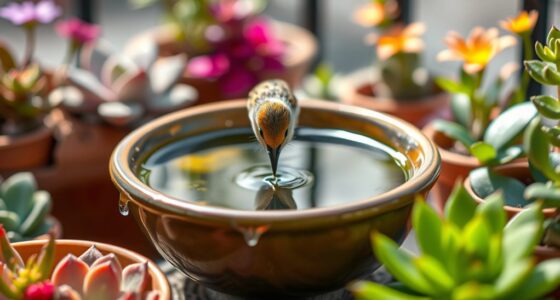
- Include shallow water sources with pebbles or stones to provide drinking spots for pollinators.

Pollinator-friendly plants are essential for supporting the health of our ecosystems, as they provide vital nectar and pollen for bees, butterflies, and other pollinators. If you’re cultivating a high-rise garden, creating urban bee habitats can seem challenging, but with thoughtful native plant selection, you can turn a small balcony or rooftop into a thriving pollinator haven. Urban environments often lack the diversity of native plants found in natural settings, so choosing plants native to your region is key. These plants are better adapted to local conditions, require less maintenance, and offer the most suitable food sources for local pollinators.
Supporting local pollinators with native plants enhances urban gardens and ecosystems.
When selecting native plants for your high-rise garden, consider the specific needs of the pollinators you want to attract. For bees, especially native bee species, look for plants that bloom at different times of the year to provide a continuous supply of nectar and pollen. For example, early bloomers like wild columbine or serviceberry can offer essential food sources in spring, while goldenrod and asters bloom in late summer and fall, ensuring pollinators have sustenance throughout their active seasons. Butterflies also prefer certain native plants, so incorporating milkweed for monarchs or butterfly weed can support their lifecycle and migration.
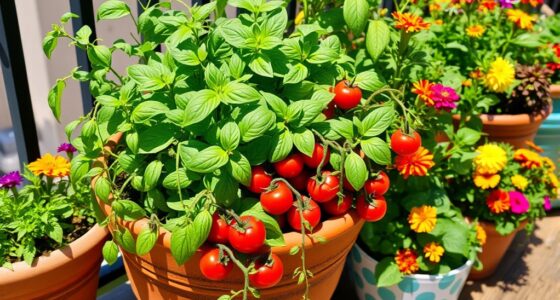
In an urban setting, space is limited, but strategic plant selection can maximize the benefits. Use container gardens with a mix of native flowering plants, ensuring they receive plenty of sunlight and water. Vertical planting techniques, such as wall planters or hanging baskets, can increase your garden’s capacity to support pollinators. Native plants like bee balm, coneflowers, and lavender are not only visually appealing but also highly attractive to pollinators, making your rooftop or balcony a magnet for bees and butterflies.
Creating an effective urban bee habitat also involves reducing pollutants and avoiding pesticides that can harm pollinators. Maintaining a pesticide-free zone and providing water sources, like shallow dishes filled with pebbles and water, can further support pollinator health. Remember, the goal is to mimic natural conditions as much as possible, encouraging local pollinators to thrive in your high-rise garden.
Frequently Asked Questions
How Do Pollinators Navigate High-Rise Environments?
Pollinators navigate high-rise environments by following vertical garden design cues that mimic natural habitats, such as diverse plant layers and nectar-rich flowers. They adapt their migration patterns to urban landscapes, utilizing tall buildings as landmarks. You can support them by creating accessible, pollinator-friendly spaces that align with their migration routes, making it easier for these essential creatures to find food and shelter even in city high-rises.
Are There Native Pollinator Plants Suitable for Urban Settings?
Yes, you can select native pollinator plants suited for urban settings to boost urban biodiversity. Focus on plants that thrive in container gardens or small spaces, like bee balm, coneflowers, and milkweed. These attract native pollinators and support local ecosystems. By choosing the right plants, you’re creating a vibrant environment that benefits pollinators and enhances your high-rise garden’s ecological value. Proper plant selection makes all the difference.
What Maintenance Do Pollinator-Friendly Plants Require in Apartments?
Like a gardener tending to Pandora’s box, you’ll find pollinator-friendly plants need regular attention. Stick to a consistent watering schedule, ensuring soil stays moist but not waterlogged. Keep an eye out for pests and manage them promptly to protect your garden’s health. Pruning and deadheading encourage growth, while occasional fertilizing boosts blooms. With a little care, your high-rise garden becomes a buzzing haven for pollinators, thriving amid urban life.
Can Balcony Gardens Support Diverse Pollinator Species?
Yes, your balcony garden can support diverse pollinator species by creating urban bee habitats. Use balcony planting tips like selecting native, nectar-rich plants and providing shelter or bee hotels. Guarantee plants bloom at different times to offer continuous food sources. Avoid pesticides and create a variety of flowers to attract bees, butterflies, and other pollinators. Your efforts help sustain healthy pollinator populations right from your high-rise oasis.
How Does Air Pollution Affect Pollinator Plant Health?
Air pollution can substantially harm pollinator plant health by degrading air quality, which weakens plant resilience. You might notice stressed or discolored leaves, and plants may struggle to grow or bloom properly. To protect your balcony garden, guarantee good air circulation, choose pollution-tolerant species, and consider adding air-purifying plants. These steps help your plants maintain resilience and continue supporting pollinators despite environmental challenges.
Conclusion
By choosing pollinator-friendly plants for your high-rise garden, you’re gently inviting nature to flourish amidst the city’s hustle. These plants quietly support bees, butterflies, and other pollinators, creating a harmonious oasis above the bustling streets. With each blossom, you’re fostering a subtle beauty that benefits both your space and the environment. Embrace this delightful journey, knowing that even small green choices can help nurture a thriving, vibrant world just beyond your window.