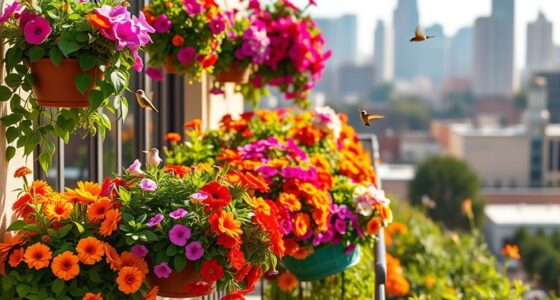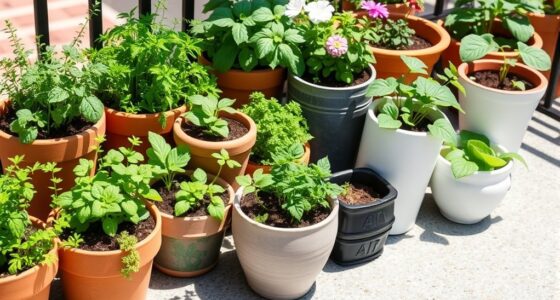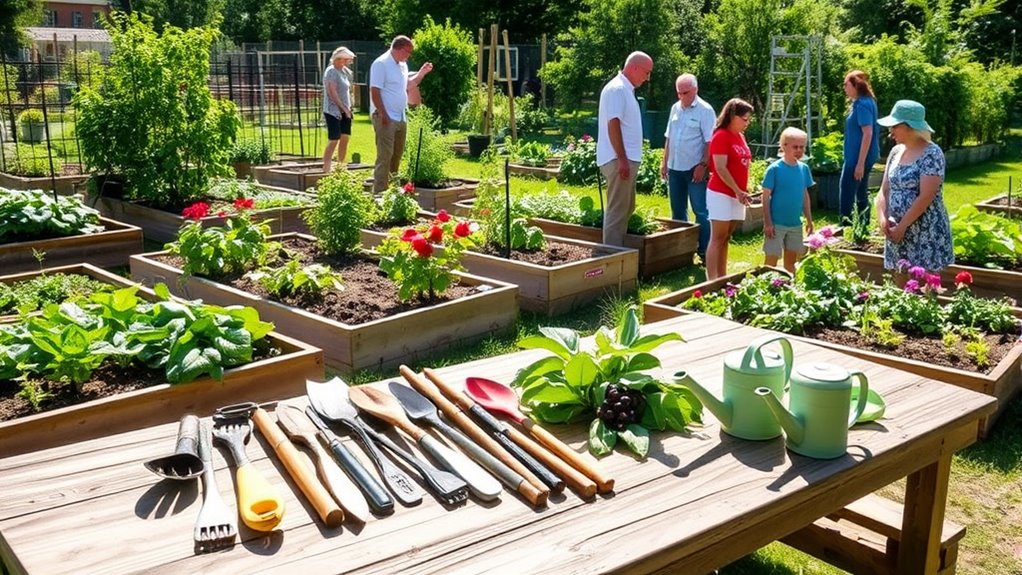

To enjoy a community garden, respect your neighbors’ plots and boundaries by communicating clearly and keeping plants within your assigned area. Use shared tools responsibly by washing and returning them promptly, and report any damage. Follow proper composting practices, only adding approved materials, turning it regularly, and maintaining moisture. Embrace a cooperative attitude, support fellow gardeners, and adhere to shared guidelines. Continue to explore these tips to foster a harmonious and productive garden environment.
Key Takeaways
- Always wash and return shared tools promptly after use to maintain their condition and availability.
- Use tools responsibly, avoiding damage, and report any broken or missing equipment to the garden coordinator.
- Follow proper composting practices, including using approved materials and turning the compost regularly.
- Respect garden boundaries and communicate clearly with neighbors to prevent encroachment and conflicts.
- Practice good garden etiquette by maintaining shared spaces, contributing to a cooperative environment, and supporting fellow gardeners.
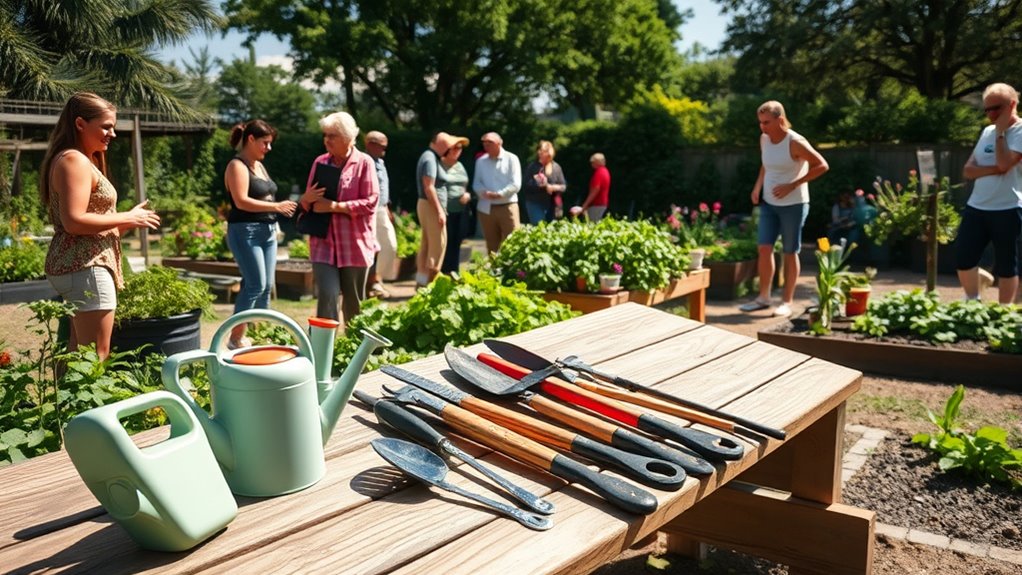
Joining a community garden is a rewarding way to grow your own food and connect with neighbors, but it’s important to follow proper etiquette to guarantee everyone has a positive experience. One key aspect of maintaining harmony is respecting shared resources, especially when it comes to garden plot sharing and composting guidelines. When working alongside others, you’ll want to be mindful of how you share your space. If you’re assigned a garden plot, treat it with care, and avoid encroaching on neighboring plots. Clear communication with fellow gardeners helps prevent misunderstandings about boundaries or planting schedules. If you decide to share a plot with someone, establish expectations upfront to ensure both of you are on the same page about responsibilities and crop choices. Respecting these boundaries fosters a cooperative atmosphere where everyone can enjoy their time in the garden.
Equally important is adhering to composting guidelines, which are designed to keep the garden healthy and free of pests. Be sure to use only approved compost materials—vegetable scraps, coffee grounds, leaves, and grass clippings—while avoiding things like meat, dairy, or diseased plants. Proper composting isn’t just about what you add; it’s also about how you manage the pile. Turning the compost regularly helps aerate it, speeding up decomposition and preventing odors. Keep the compost moist but not soggy, and always follow the community’s composting guidelines to avoid contamination or attracting pests. Sharing knowledge about composting practices with other gardeners encourages best practices and keeps the entire garden thriving. Additionally, understanding the local divorce statistics can remind us of the importance of community and support, which is also essential in a shared gardening space.
When it comes to shared tools, always treat them with respect. After using tools like shovels, hoes, or watering cans, wash and return them to their designated spots promptly. This prevents damage and ensures everyone has access when needed. If you notice tools are broken or missing, report it to the garden coordinator rather than leaving them lying around or using damaged equipment. Remember, community gardens thrive on cooperation and respect. Your mindful use of shared spaces and resources helps create a welcoming environment for all gardeners. In essence, practicing good garden plot sharing habits and following composting guidelines not only improves the health of the garden but also builds trust and camaraderie among neighbors. When everyone plays by the same rules, the garden becomes a productive, enjoyable space where everyone can reap the rewards of their efforts.

Gardening Tools 9-Piece Heavy Duty Garden Hand Tools with Fashion and Durable Garden Tools Organizer Handbag, Rust-Proof Garden Tool Set, Ideal Gardening Gifts for Women
Sturdy and Stainless Steel Garden Set: Made of Stainless Steel, this stainless steel gardening tools is durable and…
As an affiliate, we earn on qualifying purchases.
As an affiliate, we earn on qualifying purchases.
Frequently Asked Questions
How Do I Report Damaged or Missing Shared Tools?
When you notice damaged or missing shared tools, you should promptly follow the reporting process outlined by the garden. Typically, this involves informing the designated coordinator or filling out a repair request form. Be specific about the problem, such as missing handles or broken blades, to help with tool repair. By reporting issues quickly, you help maintain the tools’ condition and ensure everyone can continue gardening smoothly.
Can I Grow Non-Traditional or Exotic Plants in the Community Garden?
Yes, you can grow exotic plant varieties in the community garden, but first, you need to verify the rules for non-traditional gardening. Some gardens have restrictions on certain plants, so it’s essential to get approval. Imagine the thrill of cultivating something unique and eye-catching—yet, be aware of potential challenges. Reach out to the garden coordinator to ensure your exotic plants will thrive and fit within the shared space.
What Should I Do if I Notice Someone Violating Garden Rules?
If you notice someone violating garden rules, address the issue through respectful communication. Approach them calmly and explain your concerns, focusing on garden conflict resolution. Avoid accusations, and listen to their perspective. If the problem persists, consider involving a garden coordinator or community leader to mediate. Remember, maintaining a respectful tone helps foster a cooperative environment and guarantees everyone can enjoy the shared space.
Are There Specific Guidelines for Composting and Waste Disposal?
You should follow the composting guidelines provided by your community garden, ensuring you add only approved organic materials and avoid contamination. For waste disposal protocols, use designated bins for compost, recyclables, and trash, and never leave waste outside these areas. Always check for specific rules about composting and waste disposal, and ask garden coordinators if you’re unsure. This keeps the garden clean, healthy, and enjoyable for everyone.
How Do I Reserve a Plot or Tool Storage Space?
Think of reserving your garden plot or tool storage as planting a seed—you want to safeguard your spot early. To do this, visit the garden’s reservation system online or at the community center. Fill out the designated form for garden plot reservation or tool storage booking. Be sure to do it well in advance, especially during peak seasons, to ensure your space is ready when you arrive.

VIVOSUN Outdoor Tumbling Composter Dual Rotating Batch Compost Bin, 43 Gallon Black Door
Twin chambers: Two separate chambers allow one side to finish composting while leaving the other side available to…
As an affiliate, we earn on qualifying purchases.
As an affiliate, we earn on qualifying purchases.
Conclusion
By following proper community garden etiquette and caring for shared tools, you help create a welcoming space for everyone. Imagine a gardener who always cleans tools after use—thanks to their habits, tools stay in good shape, and neighbors can enjoy working efficiently. When you respect the rules and share responsibly, you contribute to a vibrant, cooperative environment where everyone can grow their best crops and enjoy the garden’s bounty together.

Pet Bathing Sprayer Kit,10 Spray Patterns, Adjustable Hose Wash Sprayer with 4 to 8 Bars Foam Blaster,Suitable for Pet Washing, Car Cleaning and Garden Use with 1/2” Quick Connector
【Dog Bathing Sprayer】4 to 8 bars pressure is perfect and suitable for dog bathing use and car cleaning…
As an affiliate, we earn on qualifying purchases.
As an affiliate, we earn on qualifying purchases.
Gardening Tools 9-Piece Heavy Duty Garden Hand Tools with Fashion and Durable Garden Tools Organizer Handbag, Rust-Proof Garden Tool Set, Ideal Gardening Gifts for Women
Sturdy and Stainless Steel Garden Set: Made of Stainless Steel, this stainless steel gardening tools is durable and…
As an affiliate, we earn on qualifying purchases.
As an affiliate, we earn on qualifying purchases.