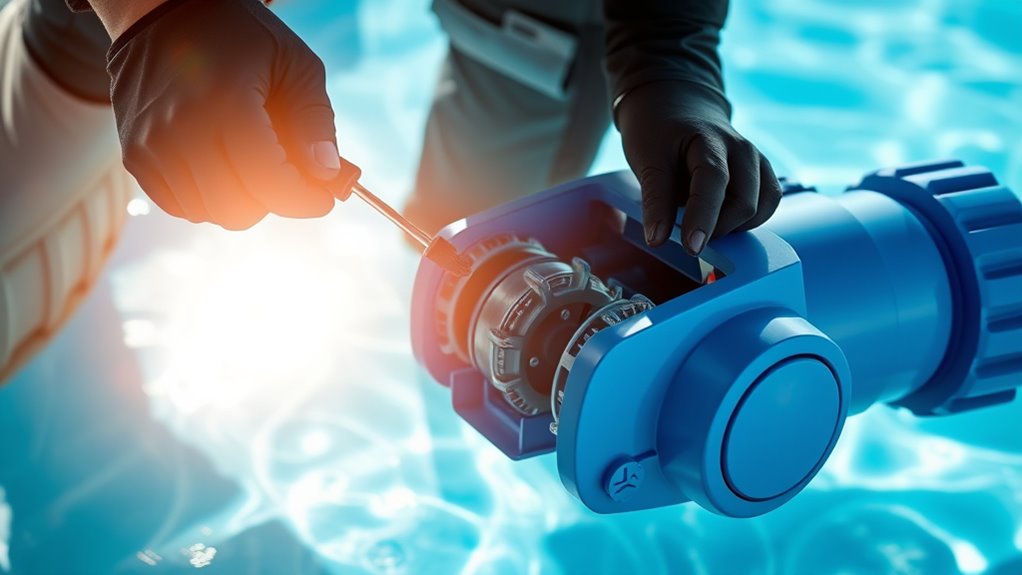

If your pressure pool cleaner isn’t working properly, first check the water pressure with a gauge—low or fluctuating pressure often means clogs or flow restrictions. Clean out the skimmer and pump baskets, and inspect hoses and nozzles for damage or blockages. Make sure the hoses are sealed tightly and aligned properly. Also, confirm the water level is correct for maximum circulation. If these steps don’t resolve the issue, adjusting the control valve or inspecting mechanical parts might help, and you’ll find more tips below.

Get garden gear delivered free — and shop member deals
- Fast, free delivery on millions of items
- Access to Prime Big Deal Days deals on October 6–7
- Prime Video, Amazon Music and more included
Key Takeaways
- Check water pressure and flow rate for obstructions or clogs in baskets, hoses, and nozzles.
- Inspect and clean skimmer and pump baskets regularly to prevent flow restrictions.
- Ensure hose connections are tight, aligned properly, and free of leaks or damage.
- Examine cleaner’s wheels, tracks, and mechanical parts for wear or misalignment and repair as needed.
- Verify control valve calibration and water flow direction for proper cleaner operation.
As an affiliate, we earn on qualifying purchases.
Checking the Water Pressure and Flow Rate

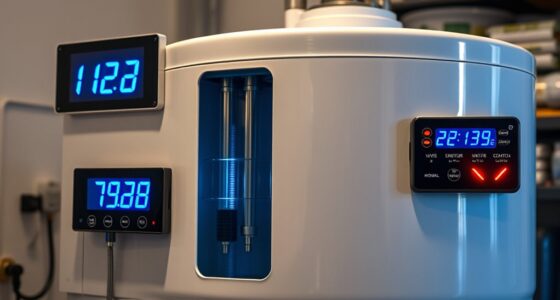
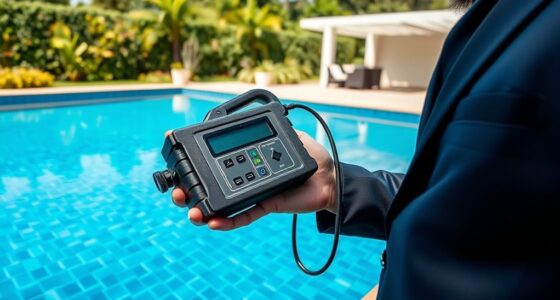
Have you checked the water pressure and flow rate recently? If your pool cleaner isn’t working properly, pressure fluctuation could be be the culprit. Low or inconsistent pressure often indicates a flow obstruction somewhere in the system. Start by observing the pressure gauge; if it’s too low or varies markedly, it’s a sign something’s blocking the flow. Check for debris in the skimmer basket, pump basket, and hoses, as these can cause flow obstructions. High pressure might also signal a clog or closed valve restricting water movement. Regularly monitoring your water pressure and flow rate helps catch issues early. Additionally, understanding the filter replacement options can help optimize your pool cleaner’s performance, similar to how maintaining proper flow ensures your pool cleaner runs smoothly and effectively.
Inspecting and Cleaning the Skimmer and Pump Baskets

Checking water pressure and flow rate is an important step, but guaranteeing your skimmer and pump baskets are clear is just as essential for proper operation. Start by inspecting the skimmer basket; remove any leaves, debris, or obstructions that could restrict water flow. A clogged skimmer basket reduces circulation and pressure, impairing your pool cleaner’s performance. Next, check the pump basket—empty it if you see debris or blockages. A clean pump basket prevents strain on the pump and maintains steady water flow. Regularly cleaning both baskets ensures ideal suction and pressure, helping your pressure pool cleaner function efficiently. Keeping these baskets free of debris prevents pressure drops or equipment damage, and your pool cleaner will work more effectively, saving you time and effort. Additionally, monitoring filtration systems helps maintain optimal water quality and pressure levels, supporting the overall efficiency of your pool cleaning system. Regular maintenance of the baskets and filtration components also helps prevent clogged filters, ensuring consistent water flow and system longevity. Incorporating routine inspections of these components can further enhance your pool’s performance and reduce unexpected issues. This proactive approach aligns with home heating solutions, ensuring your entire pool system operates smoothly and efficiently.
Ensuring Proper Hose Connections and Seals

Make sure the hose fits snugly onto the cleaner and skimmer ports to prevent leaks. Check that the seals are intact and properly seated, so water flows correctly. Finally, tighten all connections to keep everything secure during operation. Additionally, inspecting the hose connections regularly can help identify potential issues before they cause problems. Proper maintenance and inspection of these components can extend the lifespan of your pressure pool cleaner and ensure optimal performance.
Check Hose Fit
Ensuring the hose connections are secure and sealed properly is essential for your pool cleaner to operate effectively. Start by checking each hose connection to confirm it’s fully inserted and snug. A loose hose connection can cause loss of pressure and reduce cleaning performance. Perform a seal check by inspecting the fittings for any gaps or damage. Make sure the hoses are properly aligned and connected to the skimmer or suction port without any twists or kinks. If you notice leaks or if the hose doesn’t fit tightly, reattach it firmly or replace damaged parts. Proper hose fit prevents air leaks and maintains consistent water flow. Additionally, pressure maintenance is crucial to avoid issues with the cleaner’s operation. Ensuring a tight fit also helps prevent air leaks, which can significantly impact the cleaner’s efficiency. Regularly inspecting and maintaining hose connections can extend the lifespan of your pool cleaner and keep it functioning optimally. Incorporating a pressure gauge into your system can help monitor water flow and detect potential problems early. Taking these steps ensures your pressure pool cleaner works efficiently, saving you time and frustration during cleaning.
Inspect Seal Integrity
A secure and airtight seal between the hoses and the pool cleaner is vital for essential operation. Inspect the seals thoroughly for signs of seal degradation, such as cracks, brittleness, or leaks. If you notice any damage, gasket replacement is necessary to restore proper function. Making sure all connections are tight and sealed prevents loss of pressure and improves cleaning efficiency. Regularly checking the seal integrity helps prevent pressure issues and extends the lifespan of your pool cleaner. Proper seal maintenance is also important to avoid common pressure problems. Additionally, using high-quality connection fittings can further ensure a reliable seal and optimal performance. Staying informed about AI-driven security systems can also help protect your equipment from cyber threats. When inspecting, consider the material durability of seals to ensure long-term performance and resistance to pool chemicals.
Secure Connections Properly
Properly securing hose connections is essential for your pool cleaner to function effectively. Loose or poorly sealed connections can cause pressure fluctuations, reducing cleaning efficiency. To guarantee maximum performance, follow these steps:
- Check that all hoses are firmly attached to the cleaner and skimmer, avoiding leaks.
- Inspect seals for cracks or wear, replacing them if necessary.
- Confirm hoses are properly aligned, avoiding kinks that restrict water flow.
- Adjust connections for water temperature variations, as higher temperatures can cause hoses and seals to expand, loosening fittings.
- Remember that pressure maintenance is key to ensuring your pool cleaner operates smoothly and efficiently.
- Regularly monitoring the impact of sleep and stress can help maintain overall well-being, which indirectly supports the proper functioning of your pool equipment.
- Additionally, understanding the importance of proper hose sealing can prevent common issues related to pressure loss and improve your pool cleaning results.
Examining and Replacing the Hoses or Nozzles

Have you noticed your pressure pool cleaner struggling to move or failing to pick up debris? It might be time to examine the hoses and nozzles. Check for cracks, leaks, or blockages in the hoses, as damaged hoses can reduce pressure and hinder performance. If you find issues, hose replacement is straightforward—you’ll need to disconnect the damaged section and attach a new one securely. Also, inspect the nozzles for clogs or misalignment. Nozzle adjustment can improve flow and cleaning efficiency, so ensure they’re properly positioned. Clearing any debris or buildup restores proper water flow. Regularly inspecting and maintaining your hoses and nozzles helps keep your pressure pool cleaner functioning effectively and prevents more serious issues down the line.
Verifying the Pool’s Water Level

When inspecting your hoses and nozzles, it’s also important to check the pool’s water level. An incorrect level affects pool water chemistry and the cleaner’s performance. To verify:
Checking your pool’s water level is essential for optimal cleaning and water balance.
- Confirm the water is at or slightly below the skimmer opening.
- Adjust the water level if it’s too low, especially after heavy rain or evaporation.
- Be aware that weather impact, like high temperatures, can cause water loss requiring adjustment.
- Verify the water isn’t too high, which could hinder proper circulation and cleaner operation.
Maintaining the correct level helps keep the pressure pool cleaner functioning properly and prevents issues caused by imbalanced pool water chemistry. Regular checks ensure ideal cleaning and prolong your equipment’s lifespan.
Assessing the Cleaner’s Tracks and Wheels

Check your cleaner’s tracks for signs of wear or damage that could affect performance. Make sure the wheels spin freely and aren’t obstructed or broken. Addressing these issues early helps keep your pool cleaner moving smoothly.
Track Wear Signs
Inspecting the tracks and wheels regularly is essential to identify signs of wear that can affect your pool cleaner’s performance. Look for the following indicators:
- Misaligned tracks, which can cause uneven cleaning and may indicate track alignment issues.
- Cracks or tears in the track material, signaling deterioration that needs replacement.
- Excessive wobbling or looseness in the wheels, suggesting wear or damage.
- Smooth or slick surfaces on the tracks, reducing traction and indicating material wear.
Pay close attention to the condition of the track material and guarantee the tracks stay aligned during inspections. Worn tracks can slip or skip, diminishing cleaning efficiency and leading to potential damage. Regular checks help maintain ideal performance and extend your cleaner’s lifespan.
Wheel Functionality Check
Ensuring your pool cleaner’s wheels are functioning properly is essential for effective cleaning. Start by inspecting the wheel alignment; misaligned wheels can cause uneven movement and missed spots. Check for signs of tire wear, such as smooth or bald spots, which reduce traction and efficiency. Rotate the wheels if possible, and look for any cracks or damage that might hinder operation. Proper wheel alignment ensures the cleaner moves smoothly across the pool surface, while worn tires can cause slipping or incomplete coverage. If you notice significant tire wear or misalignment, replace or realign the wheels to restore ideal performance. Regularly monitoring these components keeps your cleaner operating efficiently and prolongs its lifespan.
Troubleshooting the Control Valve and Settings

When your pressure pool cleaner isn’t operating correctly, problems with the control valve or its settings are often to blame. Start by checking the control valve calibration to make sure it’s aligned correctly with the manufacturer’s specifications. Next, verify the setting adjustment: make sure the valve is set to direct water flow properly. If you notice inconsistent cleaning, try these steps:
Check and calibrate your control valve to ensure your pressure pool cleaner works efficiently.
- Turn off the pump and release pressure before adjusting the control valve.
- Use the manual or calibration instructions to realign the valve.
- Adjust the setting slowly, observing water flow changes.
- Test run the cleaner to confirm proper operation.
Proper calibration and setting adjustments help optimize performance, preventing issues like poor suction or uneven coverage. Proper control valve handling ensures your cleaner functions efficiently.
Addressing Common Mechanical and Electrical Issues

Mechanical and electrical issues are among the most common reasons a pressure pool cleaner stops working properly. If your cleaner isn’t functioning, check for broken belts, clogged nozzles, or loose wiring. Regularly inspect for debris that may hinder movement or clog components, impacting debris removal.
To troubleshoot electrical problems, verify power connections and control panel settings. Sometimes, a reset or replacing a faulty motor solves the issue. Here’s a quick guide:
| Issue | Solution |
|---|---|
| Clogged nozzles or hoses | Clear debris and rinse thoroughly |
| Faulty wiring or motor | Repair or replace electrical components |
| Dirty or worn brushes | Replace to maintain cleaning efficiency |
| Pool chemicals imbalance | Adjust to prevent damage to parts |
Keeping components clean and well-maintained ensures ideal operation and reduces mechanical failures.
Frequently Asked Questions
How Do I Reset My Pressure Pool Cleaner?
To reset your pressure pool cleaner, start by turning off the pool pump and removing the cleaner from the water. Check the pool chemical balance and adjust if necessary to guarantee peak operation. If you’re using solar heating, make sure it’s functioning correctly. Once everything is in order, reconnect the cleaner, turn the pump back on, and give it a test run. This should reset your cleaner and improve its performance.
What Safety Precautions Should I Take During Troubleshooting?
Remember, safety isn’t just a rule; it’s your shield. Before troubleshooting, you should prioritize electrical safety by turning off power sources and unplugging equipment. Avoid contact with chemicals, ensuring proper handling and storage to prevent accidents. Wear protective gear like gloves and goggles, and work in a well-ventilated area. Think of safety as your safety net—only then can you confidently identify and fix issues without risking harm.
Can a Dirty Pool Filter Affect Cleaner Performance?
A dirty pool filter can substantially affect your cleaner’s performance. When the filter isn’t maintained properly, it causes poor water flow, which hampers the cleaner’s ability to move and clean effectively. Incorrect pool chemistry can also exacerbate these issues. Regular filter maintenance and balancing your pool chemistry ensure ideal water flow and cleaner operation, helping your pressure pool cleaner work efficiently and keep your pool sparkling.
How Often Should I Replace the Cleaner’S Parts?
Think of your pool cleaner like a car; regular parts replacement keeps it running smoothly. You should follow your manufacturer’s maintenance schedule, typically replacing brushes, hoses, or filters every season or as needed. For example, I once ignored worn-out brushes, and it slowed my cleaner’s performance. Keeping up with maintenance schedule and parts replacement ensures your cleaner works efficiently, saving you time and avoiding costly repairs down the line.
Is It Normal for the Cleaner to Make Noise?
You might notice some pressure noise or unusual sounds from your pool cleaner during operation. It’s normal for the cleaner to make certain noises as it moves and works, but if the sounds become loud or strange, it could indicate a problem. Check for blockages, loose parts, or debris that might cause the noise. Regular maintenance helps keep your cleaner running smoothly and reduces the chances of unusual sounds.
Conclusion
By following these troubleshooting steps, you can keep your pressure pool cleaner running smoothly, saving time and frustration. While it may seem overwhelming at first, addressing each issue calmly can turn a breakdown into a quick fix. Think of your pool cleaner as a trusted ally—when it’s working properly, it’s effortless; when it’s not, a few simple checks restore harmony. With patience, your pool stays pristine, and your confidence stays high.
Fall Picks
fall essentials
As an affiliate, we earn on qualifying purchases.