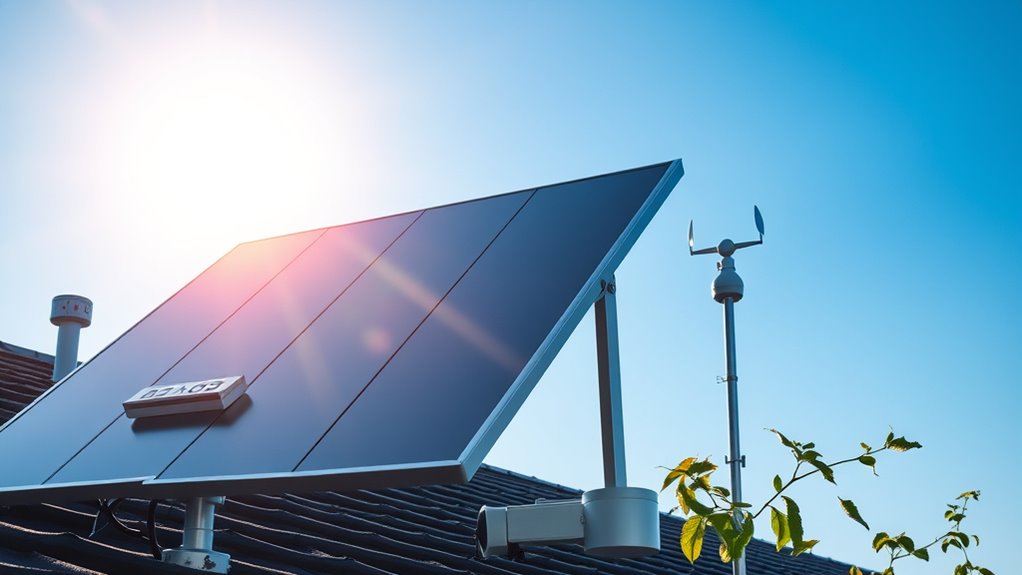

By integrating weather data into your solar heating system, you can optimize its performance and save energy. It allows you to adjust collector angles, pre-heat your home, or switch to backup sources based on forecasted conditions. With proactive responses, you’ll reduce wear on equipment, maximize sunlight collection, and cut costs. Keep exploring how weather data can transform your system into a smarter, more efficient solution that adapts seamlessly to changing conditions.
Key Takeaways
- Integrates real-time weather data to optimize solar panel angles and system operation for maximum efficiency.
- Uses weather forecasts to preemptively adjust heating and energy storage strategies.
- Automates protective measures during storms or adverse weather conditions to prevent damage.
- Balances energy consumption and storage based on upcoming weather patterns to enhance cost savings.
- Continuously analyzes environmental data to optimize system performance without manual intervention.
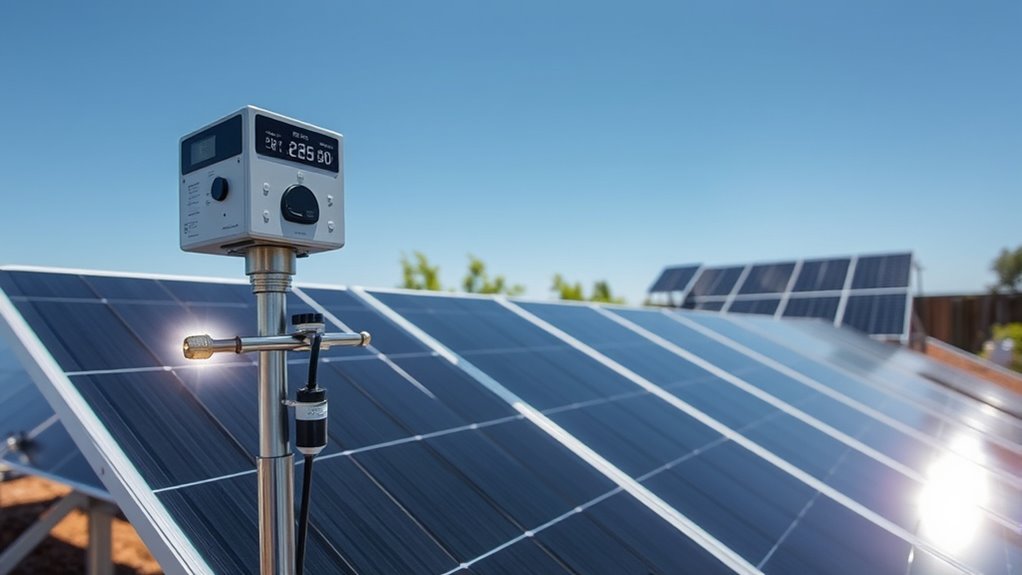
Solar heating automation transforms how you harness renewable energy by making your system smarter and more efficient. With the integration of weather data, your solar heating system can optimize performance and maximize energy savings. One of the key benefits is improving your solar panel efficiency. When your system actively responds to real-time weather forecasting, it can adjust operation to ensure your panels are working at their peak. For instance, if a forecast predicts cloudy skies or rain, the system might reduce energy collection temporarily or shift energy storage to anticipate lower sunlight. Conversely, on clear, sunny days, it can ramp up collection and storage, capturing as much energy as possible. This dynamic adjustment helps prevent wasted energy and keeps your system operating at its best throughout the day.
Weather forecasting plays a critical role in this automation. By accessing accurate, up-to-date weather data, your system can preemptively modify its behavior, rather than reacting after inefficiencies occur. For example, if a storm is expected, the system can take protective measures such as diverting excess heat or shutting down certain components to avoid damage. When clear skies are forecasted, it can increase the angle or positioning of solar collectors for maximum exposure, enhancing overall solar panel efficiency. This proactive approach ensures your system is constantly adapting to environmental conditions, leading to better energy management and more reliable heating performance.
Additionally, weather data integration can help you balance energy consumption and storage. When forecasts predict periods of low sunlight, your system can prioritize heating during peak sunlight hours or pre-heat your home in advance. This not only stabilizes indoor temperatures but also reduces reliance on backup energy sources, saving you money. Over time, this intelligent automation reduces wear and tear on system components by avoiding unnecessary operation during unfavorable conditions, extending the lifespan of your equipment.
Moreover, automation based on weather insights simplifies your energy management. Instead of manually adjusting settings or monitoring weather conditions yourself, the system does the work for you. It continuously analyzes incoming weather forecasts, sensor data, and system performance metrics to make real-time decisions. The result is a seamless, efficient operation that maximizes renewable energy use and minimizes waste. By leveraging weather forecasting, your solar heating system becomes a proactive partner in your energy conservation efforts, ensuring that you get the most out of your solar panels, no matter what the weather brings.

AQUASTRONG Inverter Swimming Pool Heat Pump,Pool Heater for Above Ground and Inground Pool Heating and Cooling Pool Heater, Smart WiFi Control Pools Up to, 9000 Gallons
Extend Your Swim Season: The pool heat pump features a dual-mode heating and cooling system that maintains optimal...
As an affiliate, we earn on qualifying purchases.
Frequently Asked Questions
How Accurate Is Weather Data for Solar Heating Automation?
Weather data for solar heating automation is quite accurate when you properly calibrate sensors and perform regular sensor calibration. Data integration from reliable weather sources improves precision, helping you optimize system performance. Keep in mind, weather can be unpredictable, so combining multiple data points and updating your system frequently ensures better accuracy. This way, you can confidently depend on weather data to enhance your solar heating efficiency.
Can Weather Forecasts Predict Sudden Weather Changes Affecting Heating?
Weather forecasts can sometimes predict sudden changes, but climate variability makes it tricky to be precise. You should rely on real-time data and sensor calibration to detect unexpected shifts quickly. While forecasts give you an idea, monitoring your system closely and adjusting settings based on actual conditions helps guarantee your solar heating stays efficient despite sudden weather changes. This proactive approach minimizes discomfort and energy waste.
What Are the Costs Associated With Installing Automated Solar Heating Systems?
You’ll love how the cost analysis of automated solar heating systems can be surprisingly approachable. Sure, installation expenses might seem hefty initially, but they pay off with long-term savings and eco-friendly benefits. Expect to spend on equipment, labor, and possibly some smart controls. While it’s an investment, the convenience and energy efficiency make it worth every penny, turning your home into a solar-powered sanctuary.
How Do Seasonal Variations Impact Automation Effectiveness?
Seasonal temperature shifts can profoundly impact automation effectiveness by affecting solar panel efficiency. During colder months, panels may produce less energy, prompting your system to adjust heating accordingly. Conversely, in warmer seasons, increased efficiency means your system can rely on solar energy more heavily. By accurately responding to seasonal variations, your automation guarantees ideal heating performance year-round, saving energy and maintaining comfort regardless of outside temperature fluctuations.
Is Maintenance Required for Weather Sensors Used in Automation?
Yes, maintenance is required for weather sensors used in automation. You should regularly check sensor calibration to guarantee accuracy, especially after extreme weather events. Additionally, maintaining sensor durability by cleaning and protecting them from debris, dust, and corrosion helps prevent malfunctions. Proper upkeep guarantees your system remains responsive and efficient, optimizing solar heating performance throughout the year. Regular maintenance minimizes downtime and extends the lifespan of your sensors.

Aukivon 3PCS Upgraded Solar Pool Heater with Adjustable Support Feet, Pool Heater for Above Ground Pool, Inground Pool Warmer, with 6 Adapters, 6 Hoses & Clamps, 6 Plumber Tapes, Thicken Connector
🌐【Eco-friendly Solar Heating】Harness the sun's energy for a green and energy-efficient pool heating solution for a sustainable and...
As an affiliate, we earn on qualifying purchases.
Conclusion
By embracing weather data, you gently steer your solar heating system toward greater efficiency, allowing nature’s subtle shifts to guide your comfort. This thoughtful approach helps you avoid unnecessary energy use and keeps your home cozy with less effort. As you fine-tune your setup, you’ll find a harmonious balance between technology and the environment, making each day’s warmth feel just right. Ultimately, this gentle automation nurtures a sustainable and peaceful way to enjoy solar heating.

Industrial Grade Solar Pool Heater DIY Kit - Superior High-Wind Strapless Mounting System & Maximum Freeze Resistance (7-4'x12.5' / 350 Square Feet)
TECHNOLOGICALLY ADVANCED DESIGN - SwimJoy's technologically advanced design makes it one of the most durable, efficient, & longest-lasting...
As an affiliate, we earn on qualifying purchases.

Highest Performing Design - DIY Solar Pool Heater Kit - 15-20 Year Life Expectancy (3-4x12 / 1.5" I.D. Header)
HIGH-HEAT PERFORMANCE - SwimEasy solar pool heaters capture more heat from the sun with superior absorber technology. They...
As an affiliate, we earn on qualifying purchases.