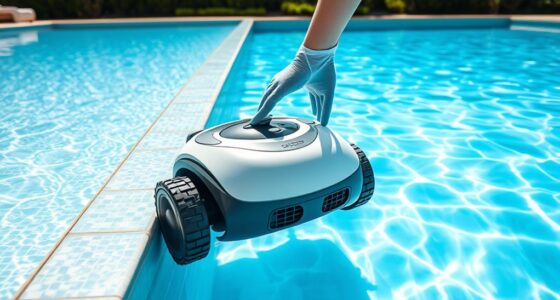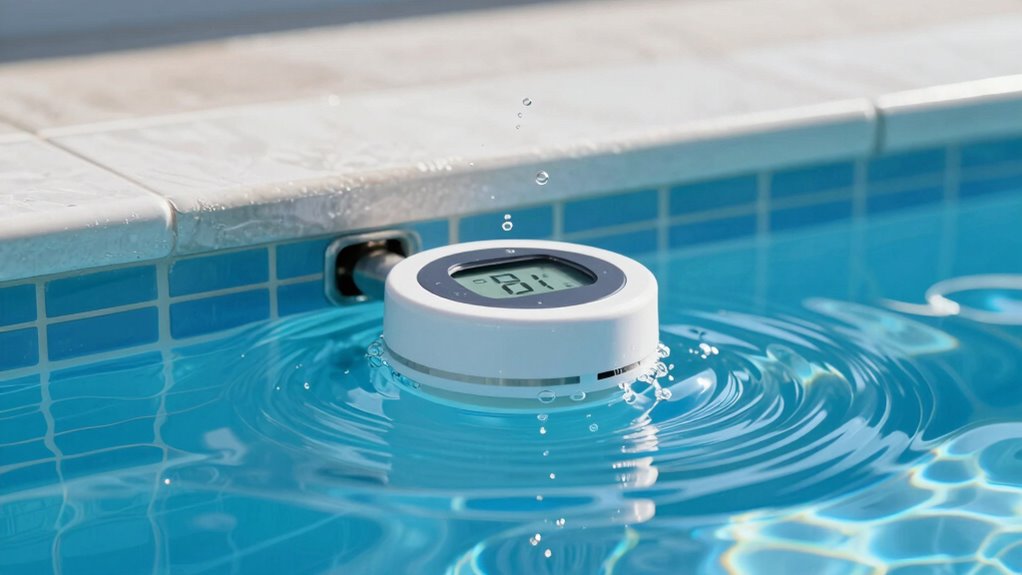

To use pool sensors for better water care, install them near the skimmer or return jet for accurate readings, and calibrate them following the manufacturer’s instructions. Regularly monitor the data on parameters like pH, chlorine, and temperature, and respond promptly to any alerts. Keep sensors clean and check connections to guarantee reliable readings. By consistently analyzing the data and making adjustments as needed, you’ll maintain safe, clear water. Keep exploring to learn more tips and tricks.

Get garden gear delivered free with Prime
- Fast, free delivery on millions of items
- Prime Video, Amazon Music and more included
- Member-only deals all year
Key Takeaways
- Install sensors near the skimmer or return jet for consistent water flow and accurate readings.
- Regularly calibrate sensors according to manufacturer guidelines for precise water quality monitoring.
- Monitor sensor data frequently to detect and address imbalances in pH, chlorine, or temperature levels.
- Respond promptly to alerts by adjusting chemicals or fixing equipment to maintain optimal water quality.
- Perform routine cleaning and maintenance to prevent sensor contamination and ensure reliable measurements.
pool water sensor for pH and chlorine
As an affiliate, we earn on qualifying purchases.
As an affiliate, we earn on qualifying purchases.
Understanding How Pool Sensors Work and Why They Help
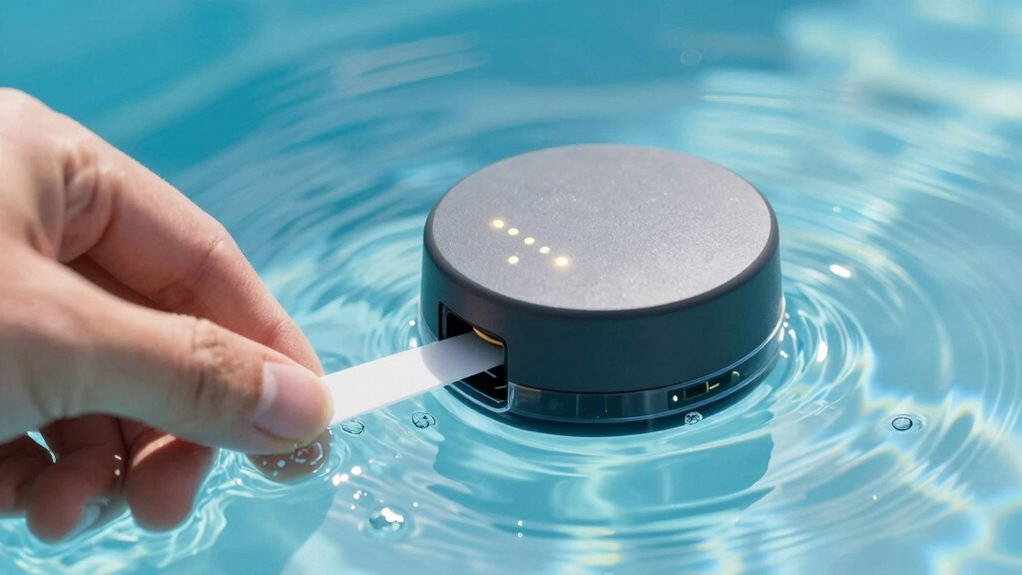
Have you ever wondered how pool sensors keep your water clean and safe? These devices monitor essential water quality parameters, ensuring the chemical balance stays just right. By constantly measuring pH levels, chlorine, and other chemicals, sensors help prevent algae growth and bacteria, maintaining a healthy environment. They also optimize pump efficiency by adjusting circulation based on real-time data, saving energy and reducing wear on equipment. When sensors detect imbalances, they trigger automatic adjustments or alert you to take action. This continuous monitoring helps keep your pool water clear, safe, and inviting. Understanding how pool sensors work empowers you to maintain proper chemical balance effortlessly, while also ensuring your pump runs smoothly and efficiently, ultimately extending the life of your pool equipment. Proper chemical balance is essential for effective water care. Additionally, staying informed about emerging water treatment technologies can further enhance your pool maintenance routine, especially as advancements continue to improve sensor accuracy and reliability. Regular maintenance and awareness of indoor air quality can also support a healthier overall environment around your pool area. Moreover, the integration of advanced filtration systems can complement sensor data to further improve water clarity and safety.
Choosing the Best Pool Sensor for Your Needs

When selecting a pool sensor, you’ll want to take into account the different types and features available to match your specific needs. Compatibility with your pool system is essential to guarantee seamless operation and accurate data. By understanding these points, you can choose a sensor that provides reliable water care and simplifies maintenance. Additionally, considering system safety features can help prevent potential issues and ensure safe operation of your pool equipment. Paying attention to digital frames and other innovative display options can also enhance your overall pool area experience. Recognizing the importance of sensor accuracy can further ensure your water quality remains optimal and reduces the need for frequent adjustments. Staying informed about emerging trends in digital technology can help you stay ahead with the latest advancements in water monitoring systems, including features that improve data reliability.
Sensor Types and Features
Selecting the right pool sensor starts with understanding the different types and their key features. There are digital sensors, which provide real-time data on pH, chlorine, and temperature, and analog sensors that require manual readings. Some sensors are designed for continuous monitoring, while others are spot-check devices. Consider sensor calibration needs—some models need frequent calibration to maintain accuracy, impacting your maintenance schedules. Advanced sensors often include features like automatic alerts for water quality issues or connectivity options for remote monitoring. Think about your pool size, usage, and water care goals to choose the best fit. Embracing diversity in sensor features can help you select a device that simplifies water management and guarantees your pool stays clean and safe. Additionally, reviewing store return policies and hours for popular retailers can be helpful if you need to exchange or service your sensor. Understanding the different sensor types and their features is essential for making an informed choice that aligns with your water care needs. Incorporating sensors with automatic alerts can further enhance your water quality management by providing timely notifications. Recognizing the importance of sensor calibration can help you maintain accuracy and extend the lifespan of your device.
Compatibility With Pool Systems
Choosing a pool sensor that seamlessly integrates with your existing system can make water management much simpler. Compatibility ensures your sensor works smoothly with your pool’s automation, filtration, and chemical systems, reducing setup time and errors. Before purchasing, check if the sensor supports your pool’s controller or app. This can help streamline system integration and improve overall efficiency. It simplifies pool sensor maintenance and troubleshooting. Consider sensors that are easy to calibrate, guaranteeing accurate readings over time. Proper sensor calibration is essential for reliable water quality data, so select a model with straightforward calibration procedures. Compatibility also affects how well the sensor communicates data, so ensure it matches your system’s communication protocols. Additionally, understanding pool system compatibility can help prevent integration issues and ensure your sensor functions effectively within your existing setup. Familiarity with communication protocols can further improve data transmission and sensor performance. Being aware of sensor durability can help you choose a model that withstands pool environment conditions, ensuring longevity and consistent results. By choosing a compatible sensor, you minimize disruptions and maintain ideal water care with less effort.
How to Set Up and Install Your Pool Sensor
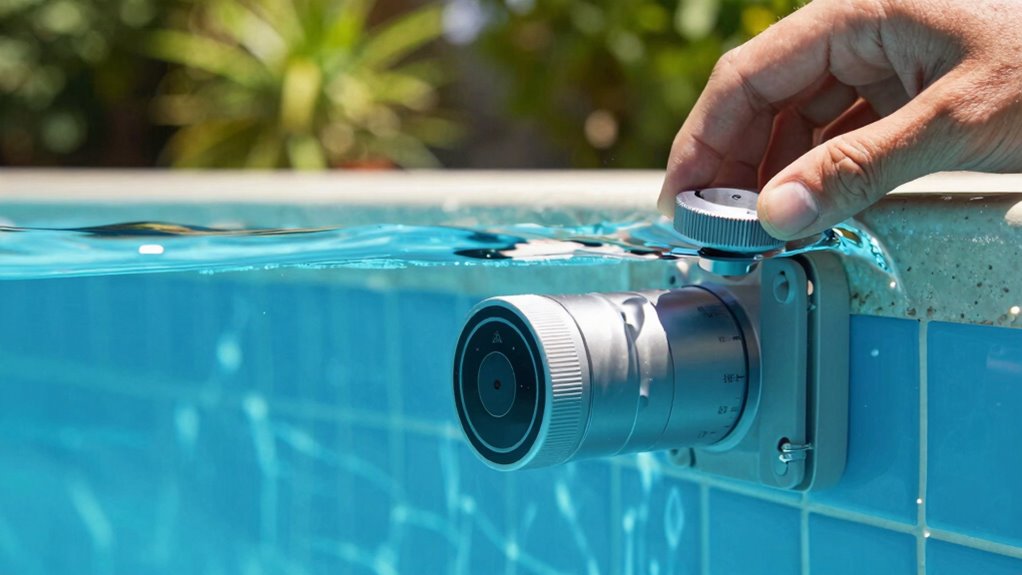
Installing your pool sensor correctly is essential for accurate water monitoring. First, choose a suitable location, typically near the skimmer or return jet, where water flows consistently. Confirm the sensor is clean and free of debris before installation. Follow the manufacturer’s instructions for mounting, whether it’s attaching to the wall or submerging at a specific depth. Once in place, power on the sensor and perform sensor calibration to ensure accurate readings. Regular pool sensor maintenance, such as cleaning the sensor’s surface and checking connections, helps maintain performance over time. Proper setup minimizes errors and provides reliable data for water care. Additionally, understanding the importance of commercial kitchen equipment can help you select the best tools for maintenance and calibration tasks. Proper setup minimizes errors and provides reliable data for water care. Remember, a well-installed sensor makes all the difference in maintaining healthy, balanced pool water.
Monitoring Water Quality and Interpreting Sensor Data
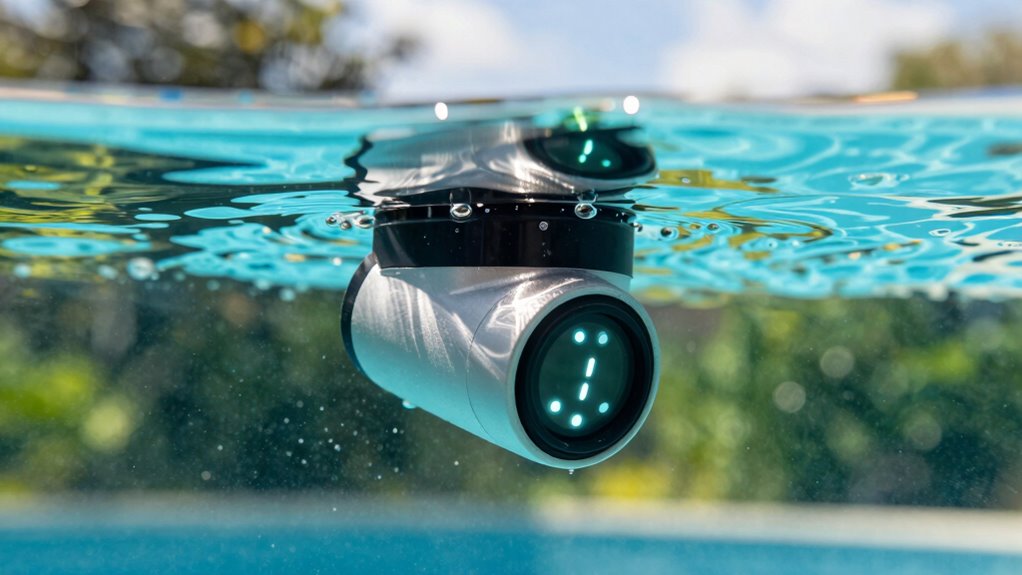
When you check your sensor readings, it’s important to understand what each measurement means for your pool’s water quality. If the data seems inconsistent, you’ll need to troubleshoot to identify potential issues with the sensor or water conditions. Clear interpretation helps you take the right action to keep your water safe and balanced. Understanding dream symbolism related to time can also offer insights into the natural rhythms of your pool maintenance schedule. Paying attention to sensor calibration ensures your readings remain accurate over time, preventing misinterpretations that could lead to improper water treatment. Regularly consulting technological integration tools can help you monitor and optimize water quality more effectively. Incorporating eco-friendly natural pools into your backyard can also influence your approach to water care, emphasizing the importance of sustainable practices. Embracing Stoic principles can guide you to respond calmly and wisely to any water quality challenges.
Understanding Sensor Readings
- Monitor pH and chlorine levels regularly to guarantee safe, balanced water.
- Identify unusual readings that may indicate sensor drift or contamination.
- Perform sensor maintenance, like cleaning and calibration, to prevent inaccurate data.
Troubleshooting Data Inconsistencies
While sensor inaccuracies can be frustrating, identifying the root causes of data inconsistencies is essential for maintaining ideal water quality. Start by checking sensor calibration regularly, as miscalibrated devices can provide false readings. Also, guarantee data synchronization across all sensors; mismatched timestamps or data delays can cause confusion. Consider the following common issues:
| Issue | Solution |
|---|---|
| Outdated Calibration | Recalibrate sensors promptly |
| Data Mismatch | Verify synchronization settings |
| Sensor Damage | Inspect and replace faulty sensors |
Keeping sensors calibrated and synchronized helps you interpret water quality accurately, preventing false alarms and ensuring optimal water care. Regular maintenance minimizes discrepancies and keeps your pool safe and clean.
Troubleshooting Common Pool Sensor Problems
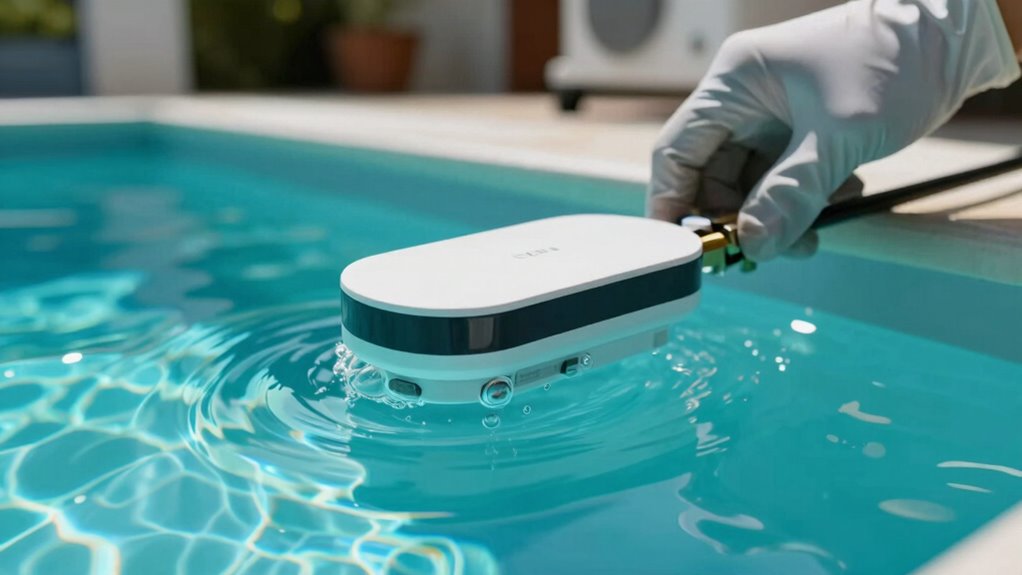
Troubleshooting common pool sensor problems requires a systematic approach to identify and resolve issues quickly. First, check sensor calibration to ensure accurate readings; miscalibrated sensors can cause false data. Second, inspect the power supply for issues like loose connections or dead batteries, as inadequate power prevents sensors from functioning properly. Third, verify sensor placement to avoid interference from debris or chemical build-up, which can skew results. If readings are inconsistent, recalibrate the sensor following the manufacturer’s instructions. For power supply issues, replace batteries or repair wiring connections. Proper calibration and a reliable power source are essential for accurate, consistent data. Addressing these key areas can resolve most common sensor problems efficiently.
Using Alerts and Data to Keep Your Pool Clean and Safe

Using alerts and data from your pool sensors allows you to respond swiftly to potential issues, keeping your water safe and inviting. These alerts help you monitor key parameters like pH levels, temperature, and chlorine concentration, ensuring ideal pool maintenance. When your sensors detect abnormal readings, you can act immediately—whether that’s adjusting chemicals or addressing equipment issues. Regular sensor calibration is vital to maintain accuracy, preventing false alarms or overlooked problems. By trusting real-time data, you reduce guesswork and keep your pool in top condition. This proactive approach minimizes chemical imbalances, algae growth, and equipment damage, saving you time and money. Ultimately, leveraging alerts and data empowers you to maintain a clean, safe, and enjoyable swimming environment year-round.
Frequently Asked Questions
How Often Should I Calibrate My Pool Sensors?
You should calibrate your pool sensors at least once every three months to guarantee sensor accuracy. Regular calibration maintains precision in readings, helping you manage water quality effectively. However, if you notice inconsistent or unexpected sensor readings, consider calibrating more frequently. Environmental factors like temperature changes can affect sensor performance, so keeping an eye on calibration frequency ensures your pool water stays balanced and safe.
Can Pool Sensors Work With Smart Home Systems?
Yes, pool sensors can work with smart home systems, but you need to guarantee proper sensor placement and check for compatibility issues first. Some sensors are designed to seamlessly integrate with popular smart home platforms, while others may require additional hubs or adapters. To avoid compatibility issues, research your sensor’s specifications and follow manufacturer recommendations. Proper placement ensures accurate readings, making your smart system a reliable tool for maintaining ideal water quality.
Are There Warranty Options for Pool Sensors?
Yes, there are warranty options for pool sensors. When considering sensor maintenance, check the warranty to guarantee coverage for repairs or replacements if your sensor malfunctions. Be sure to verify sensor compatibility with your pool system, as some warranties only apply to specific brands or models. Regular maintenance and understanding warranty terms help protect your investment, giving you peace of mind and ensuring your pool stays in ideal condition.
How Long Do Pool Sensors Typically Last?
Pool sensors typically last around 1 to 3 years, depending on sensor placement and usage. Proper placement away from direct sunlight and chemicals can extend their battery lifespan and durability. You should regularly check the sensor’s performance, replace batteries when needed, and follow manufacturer guidelines for maintenance. Proper care guarantees your sensor functions accurately, giving you reliable water quality readings and helping you maintain a healthy pool year-round.
Do Pool Sensors Work in All Weather Conditions?
You’ll find that pool sensors are quite resilient, but their performance depends on sensor placement and weather resistance. In harsh weather, some sensors may struggle if not properly protected or placed in sheltered spots. While many models are designed for all weather conditions, extreme conditions like heavy rain or intense sun can affect accuracy. Ensuring your sensor has good weather resistance and is correctly positioned helps it work effectively year-round.
Conclusion
By understanding your pool sensors, you gain more control and peace of mind. They’re your eyes and ears, catching issues before they become costly problems. Without them, you’re left guessing, risking cloudy water or chemical imbalances. But with sensors, you’re empowered—monitoring, adjusting, and maintaining effortlessly. It’s the perfect balance: technology working quietly in the background, while you enjoy a safe, sparkling pool. Plunge in confidently, knowing your water’s health is always in check.
Halloween Picks
halloween
As an affiliate, we earn on qualifying purchases.