If you value remote control and convenience, cloud controllers let you manage your pool from anywhere with an internet connection. They offer flexibility to adjust settings via smartphone or computer, making pool management easier during busy times or vacations. However, they come with online security concerns since data stored online could be vulnerable. If you prefer higher security and privacy, local controllers operate offline, giving you direct control without worrying about cyber threats. To find out which option suits your needs best, continue exploring the differences.
Key Takeaways
- Cloud controllers offer remote management via internet, while local controllers require physical access to operate.
- Cloud systems enable monitoring and adjustments from anywhere, unlike local controllers limited to onsite use.
- Local controllers inherently provide better data security, reducing vulnerability to online cyber threats.
- Cloud controllers depend on internet connectivity and external servers, potentially complicating troubleshooting.
- The choice depends on prioritizing remote convenience versus enhanced security and data privacy.
Have you ever wondered whether a cloud-based pool controller or a local device is better for managing your pool? It’s a question many pool owners face as technology advances. Cloud controllers offer the convenience of remote access, meaning you can monitor and adjust your pool settings from anywhere with an internet connection. Whether you’re at work, on vacation, or just relaxing elsewhere, you have the ability to control your pool’s temperature, lighting, and filtration system with a few taps on your smartphone or computer. This flexibility is a major advantage if you want to stay on top of your pool’s needs without being physically present. However, with this convenience comes a concern about data security. When your pool data is stored online, there’s a risk that cyber threats could compromise your information or disrupt your system. Reputable cloud providers typically implement strong security measures, but it’s important to verify their protocols and ensure your data is protected against unauthorized access.
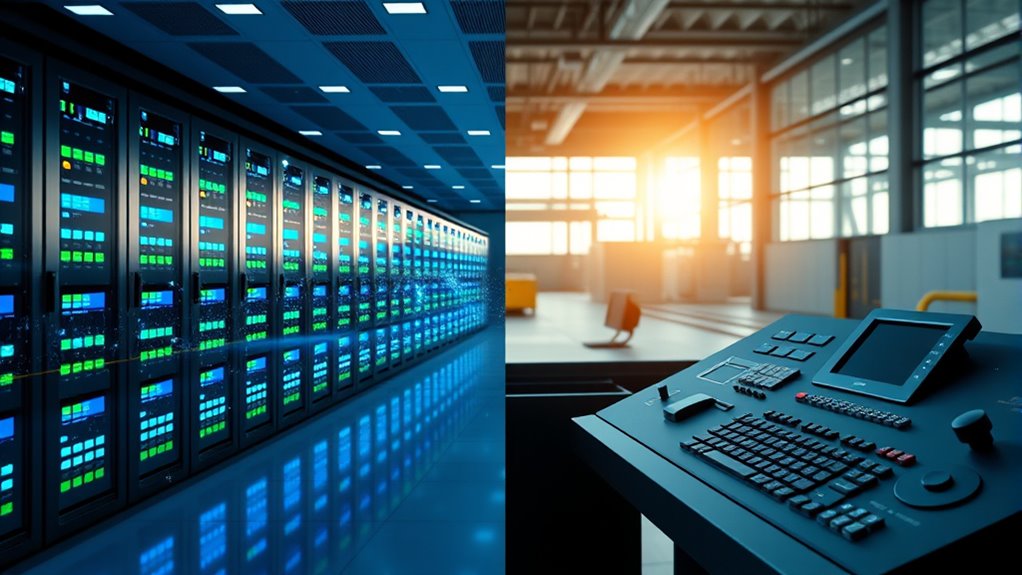
Additionally, understanding the technology infrastructure behind these systems can help you make a more informed decision. In contrast, local pool controllers operate on a standalone basis, usually connected directly to the pool’s hardware. They don’t depend on internet connectivity, which means you don’t have to worry about potential online vulnerabilities. Data security is inherently higher because your pool’s control system isn’t exposed to external networks. Instead, you manage everything through a local interface, such as a touchscreen or wired connection, giving you a sense of control and peace of mind. On the downside, local controllers limit your access to managing your pool only when you’re physically near the device. If you’re away for extended periods or want to make adjustments remotely, you might find this restrictive. Additionally, local systems can sometimes be more difficult to update or troubleshoot if technical issues arise, especially if you’re not comfortable with hardware.
Ultimately, your choice depends on your priorities. If remote access and the convenience of managing your pool from anywhere are essential, a cloud controller might be the better option—provided you choose a provider with robust data security measures. On the other hand, if you’re more concerned about keeping your data private and minimizing online vulnerabilities, a local device offers greater security and control. Both options have their merits, but understanding how each system aligns with your lifestyle and security concerns will help you make the best decision for your pool management needs.
Frequently Asked Questions
How Secure Are Cloud-Based Pool Controllers Against Hacking?
Cloud-based pool controllers are generally secure against hacking if they use strong data encryption and regular security updates. You can reduce hacking risks by choosing reputable providers that prioritize cybersecurity. While no system is completely immune, implementing multi-factor authentication and monitoring access can further protect your data. Staying vigilant and maintaining up-to-date software helps ensure your cloud controller remains safe from potential threats.
Can Local Controllers Operate Without an Internet Connection?
Yes, local controllers can operate without an internet connection, enabling offline operation. You won’t rely on internet dependency, which means if your Wi-Fi or network goes down, your pool system continues to function normally. This setup offers greater reliability and control, especially in areas with unstable internet. You get peace of mind knowing your pool’s features and settings are accessible at all times, regardless of internet connectivity.
What Is the Typical Lifespan of Cloud Versus Local Controllers?
You can expect local controllers to have a longer lifespan, often 10-15 years, thanks to their robust design and direct hardware access, which enhances controller durability. Cloud controllers typically have a shorter system longevity, around 5-10 years, due to reliance on software updates and internet connectivity. Proper maintenance and usage profoundly impact the system’s overall durability, regardless of the controller type.
Are There Compatibility Issues With Existing Pool Equipment?
Compatibility concerns can feel like fitting puzzle pieces together, but most modern controllers are designed for seamless equipment integration. You might face some challenges with older or specialized gear, yet many systems offer adapters or updates. Before upgrading, check compatibility details and consult with manufacturers. This way, you guarantee your pool equipment works harmoniously, avoiding surprises and keeping your pool running smoothly like a well-oiled machine.
How Does Maintenance Differ Between Cloud and Local Systems?
With cloud systems, maintenance involves remote diagnostics, allowing you to identify issues quickly without onsite visits, and software updates are automatic or easily scheduled, keeping your system current. Local controllers require manual checks and updates, which can be more time-consuming. Cloud systems offer more streamlined maintenance, reducing downtime, while local systems may need more hands-on attention, especially for troubleshooting and updating.
Conclusion
When choosing between cloud and local pool controllers, consider how each impacts your convenience and control. Did you know that over 70% of pool owners now prefer cloud-based systems for real-time updates and remote access? Imagine monitoring your pool from anywhere, even on vacation. Whichever you pick, guarantee it fits your lifestyle and needs, so you can enjoy a perfectly maintained pool without the hassle. Your ideal control system is just a decision away.