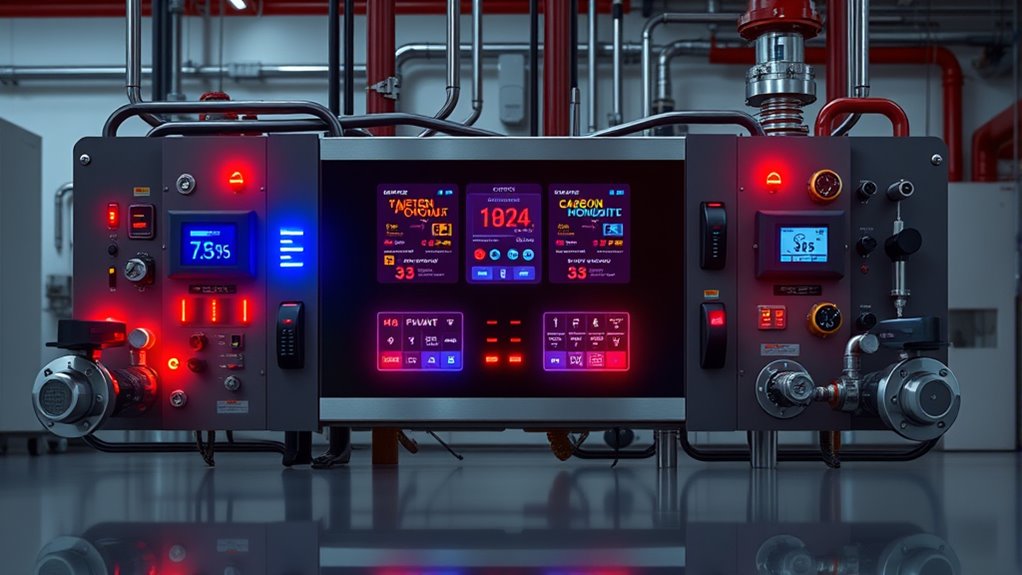

Emergency automations for fire, CO, and water hazards quickly detect danger and activate protective actions without delay. Smart sensors constantly monitor your environment for smoke, carbon monoxide, and water leaks, triggering alarms, opening exits, shutting down HVAC systems, or activating sprinklers instantly. These systems help prevent major damage and save lives by ensuring fast, coordinated responses. If you want to discover how these automations work together to keep you safe, keep exploring further.
Key Takeaways
- Integrate smart sensors for real-time detection of fire, CO, and water leaks to trigger automatic alerts and responses.
- Automate alarms, ventilation control, and emergency shutdowns to contain hazards immediately.
- Enable quick evacuation by unlocking exits and activating visual and audible alerts through automation.
- Use automated sprinkler systems and water control to suppress fires and minimize damage.
- Ensure regular system testing and maintenance for reliable performance of emergency automations.

Emergency automations are transforming how businesses respond to urgent situations by enabling rapid, automated actions that save time and lives. When it comes to fire safety, this shift is especially critical. Traditional methods often rely on manual detection and response, which can introduce delays and increase risks. With emergency automations, smart sensors play a crucial role in detecting hazards immediately. These sensors continuously monitor your environment for signs of smoke, heat, or flames, providing real-time data that triggers automatic responses. As soon as a sensor detects a potential fire, it can activate alarms, shut down HVAC systems to prevent the spread of smoke, and even alert emergency services without any manual intervention. This swift, automated reaction helps contain fires early, considerably reducing damage and protecting everyone inside.
You’ll find that smart sensors are essential in creating a proactive fire safety system. Unlike traditional smoke detectors, these advanced sensors offer heightened sensitivity and fewer false alarms. They can distinguish between harmless smoke from cooking or steam and genuine fire hazards, guaranteeing you’re alerted only when necessary. When integrated into your emergency automation system, smart sensors continuously communicate with connected devices, allowing for rapid, coordinated responses. For example, if a sensor detects smoke, the system can automatically unlock fire exits, activate sprinkler systems, and send alerts to staff or emergency responders. This seamless integration minimizes response time and guarantees everyone knows what’s happening, reducing panic and chaos during emergencies. Additionally, implementing regular maintenance and testing ensures your sensors and automation systems remain reliable over time.
Furthermore, automating fire safety with smart sensors gives you peace of mind. You don’t have to rely solely on human detection, which might be delayed or missed during busy or stressful moments. Instead, your system works around the clock, providing constant vigilance. Automation also guarantees that critical safety protocols are followed precisely and consistently, reducing the chance of errors. As your business grows or your environment changes, these systems can be easily updated or expanded, ensuring your fire safety measures stay robust. Overall, adopting emergency automations with smart sensors dramatically enhances your ability to protect lives and property, making your response to fires faster, more accurate, and more effective.

3-Pack Wi-Fi Smoke Detector Carbon Monoxide Detector Combo with App Notifications, Test/Silence Button, Smart Smoke Detector & CO Alarm for Any Home, Real-Time Alert
[ WiFi Notifications ] This smart smoke and carbon monoxide detector connects to the "Smart Life " app…
As an affiliate, we earn on qualifying purchases.
As an affiliate, we earn on qualifying purchases.
Frequently Asked Questions
How Quickly Can Emergency Automation Systems Be Installed?
You can typically have emergency automation systems installed within a few hours to a couple of days, depending on the installation timeline and system compatibility. The process is quick if your existing setup is compatible, but more complex systems may take longer. Hiring experienced professionals guarantees a smooth, efficient installation, so you can quickly benefit from enhanced safety features without significant downtime.
Are Emergency Automations Compatible With Existing Home Security Systems?
Yes, emergency automations are compatible with existing home security systems. Many systems offer smart integration, allowing you to connect new automations seamlessly. You can also customize these automations to suit your safety preferences, ensuring quick response times in emergencies. This compatibility makes it easier to enhance your home’s safety without replacing your current security setup, giving you peace of mind and tailored protection.
What Is the Maintenance Required for These Automation Systems?
You need to follow a regular maintenance schedule to keep your emergency automation system durable. This includes testing sensors monthly, replacing batteries annually, and inspecting for any damage or malfunctions. Keep software up-to-date to guarantee peak performance. By staying proactive with these tasks, you maintain reliability and longevity for your system, minimizing risks during emergencies. Proper upkeep ensures your safety devices work when you need them most.
Can Emergency Automations Be Customized for Specific Property Layouts?
Yes, you can customize emergency automations to fit your property’s layout, making them as tailored as a bespoke suit. By considering property customization and layout considerations, you guarantee the system responds precisely where needed. This personalization enhances safety and efficiency, allowing alarms, sprinklers, and sensors to work seamlessly within your space. A well-designed setup acts like a trusted guardian, adapting to your property’s unique shape and features.
What Are the Typical Costs Associated With Implementing These Systems?
The installation costs for emergency automation systems typically range from $1,000 to $5,000, depending on the property size and system complexity. System expenses include sensors, control panels, and integration features, which can add to the overall cost. You should also consider ongoing maintenance and updates, which *guarantee* reliable performance. Budgeting for these expenses upfront helps you plan effectively and ensures your property stays protected.

(2 Pack) FM Approved & UL/CUL Listed TUNA Fire Sprinkler Head Pendent Spray 1/2” NPT 155°F (68°C) K=5.6 K80 Standard Response for Automatic Fire Sprinkler System
FM Approved 3053441and UL / CUL listed EX6430. 1/2 " NPT (National National Pipe Thread) American thread fire…
As an affiliate, we earn on qualifying purchases.
As an affiliate, we earn on qualifying purchases.
Conclusion
By implementing these emergency automations, you can respond swiftly and effectively to fire, CO, and water hazards. Think of them as your digital safety net, catching issues before they escalate. Just like a well-trained guard, these systems work silently in the background, giving you peace of mind. Don’t wait for an emergency to strike—set up these automations now and stay prepared, because safety is the foundation of a confident home.
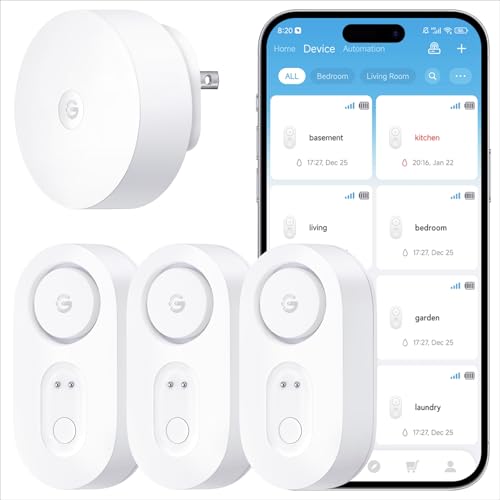
GoveeLife Upgraded Smart Water Leak Detector 1s with 1804ft Ultra-Long Range, WiFi Water Sensor with SMS/Email/APP Push and Sound Alarm, 5-Year Battery Life, Suit for Home, Basement, Kitchen, 3 Pack
Breakthrough 550m/1804ft Connectivity: Engineered with advanced Sub-1G long-range wireless tech, our leak detector maintains robust signals over unprecedented…
As an affiliate, we earn on qualifying purchases.
As an affiliate, we earn on qualifying purchases.
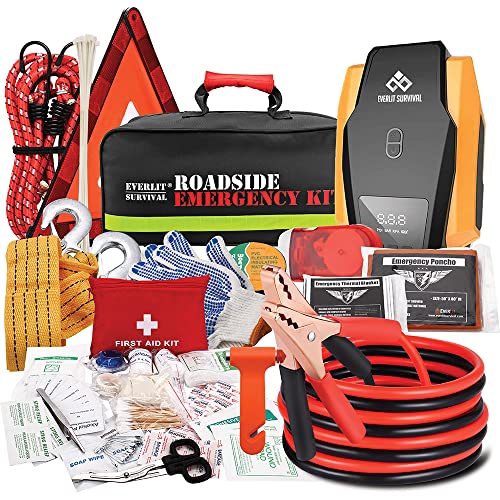
Everlit Survival Car Emergency Kit, Roadside Safety Tool Kit with Gloves,Digital Auto Air Compressor Tire Inflator, First Aid Kit, 12 Feet Jumper Cable, Tow Strap, Flashlight for Women, Men, Teenagers
The Road Guardian- The portable roadside assistance kit is designed and hand picked by a group of experienced…
As an affiliate, we earn on qualifying purchases.
As an affiliate, we earn on qualifying purchases.