TL;DR

Get garden gear delivered free with Prime
- Fast, free delivery on millions of items
- Prime Video, Amazon Music and more included
- Member-only deals all year
Gardening Know How’s October guide recommends five care steps for chrysanthemums: deadhead spent blooms, keep soil adequately moist, avoid hard pruning and late planting, and protect plants as temperatures fall. The advice differs for garden mums and florist mums, and local climate affects whether plants can survive winter outdoors.
Gardening Know How has published an October care guide for chrysanthemums, advising gardeners to deadhead faded flowers, keep plants watered and avoid late-season actions that could weaken their chances of returning next spring. The recommendations matter because October care can affect both remaining blooms and winter survival, though outcomes depend on the mum variety, local climate and growing conditions.
The guide distinguishes between hardy garden mums and florist mums. It says hardy garden varieties, identified as Chrysanthemum × morifolium, can survive outdoors in USDA hardiness zones 4 through 9; florist mums are generally grown as temporary seasonal decorations. That distinction affects whether it makes sense to prepare a plant for winter or treat it as a short-term display.
For plants that are still flowering, the report recommends removing spent blooms by pinching or snipping faded heads just above a leaf junction. It cautions that deadheading in October may not produce another flush of flowers. The guide’s stated reasons are to prevent energy going toward seed production and to remove decaying flower material that could contribute to gray mold in damp conditions.
The article also advises gardeners to continue checking soil moisture, particularly for mums in pots, whose closely packed roots can dry out. It suggests checking container soil about an inch below the surface and watering thoroughly if it feels dry, with water directed at the soil rather than the foliage. For in-ground plants, it recommends checking moisture every few days and stopping once the soil has frozen solid.
October Care Shapes Winter Survival
The practical stakes are twofold: gardeners want to keep existing flowers looking healthy through the remaining fall season and give hardy plants a better chance of surviving winter. Water stress can affect container-grown mums quickly, while cutting plants back too aggressively or disturbing their roots late in the year may reduce their readiness for cold weather.
The recommendations are guidance, not a guarantee of longer blooms or spring regrowth. Climate, variety and site conditions matter, and the source does not quantify how much additional bloom time the steps provide. Gardeners should treat the advice as seasonal care rather than a promise that every mum will return.
bypass pruning shears for deadheading chrysanthemums
As an affiliate, we earn on qualifying purchases.
As an affiliate, we earn on qualifying purchases.
Garden Mums Versus Florist Mums
Chrysanthemums flower at different times. The source says early-blooming cushion mums may be finishing their first flowering period in October, while some later varieties may only be starting to open. As a result, the same task may have different effects depending on a plant’s stage of growth.
The guide warns against planting newly purchased potted mums into garden beds late in autumn in most northern regions, because roots may not establish before the ground freezes. It suggests keeping those plants in their containers unless the gardener lives in a mild southern area with at least six weeks before the first hard freeze. It also says October is not the time to divide clumps; instead, it recommends dividing in early spring when new green shoots appear.
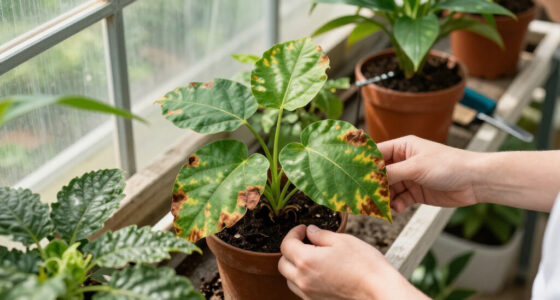
The supplied report begins listing five October tasks but ends partway through its section on pruning. It specifically says not to cut all the plants back and to remove diseased or rotting foliage, including yellow leaves near the base. The source text provided here does not contain the full descriptions of all five tasks, so no additional steps can be confirmed from it.
“October is not the time to do a hard pruning of your mums.”
— Gardening Know How
Local Conditions Shape the Advice
The source does not state its publication date, identify an author or provide research data measuring how much these practices extend flowering or improve survival. Its advice about late planting is qualified by regional climate and the timing of the first hard freeze; gardeners in different locations may face different conditions.
The provided source text is also incomplete: it stops during the pruning section, before all five promised tasks are fully described. It mentions container care and crown insulation as care areas, but the supplied material does not include complete instructions for crown insulation or the remaining task. Those details cannot be established from the text provided.
Adjust Care as Frost Approaches
For now, gardeners can follow the steps described in the report: remove faded flowers, check soil moisture, water at the base when needed, and avoid hard pruning or dividing established clumps in October. As temperatures fall, they should watch local forecasts and soil conditions, since the source ties watering and planting decisions to freezing weather and the time remaining before a hard freeze.
Spring is the recommended time to divide established clumps, once new green growth appears. Whether individual plants return will depend on their variety and winter conditions. The source material does not provide a follow-up date or further guidance beyond the seasonal recommendations described above.
Key Questions
Should I deadhead mums in October?
Yes, according to the guide. Pinch or snip off faded blooms above a leaf junction. It says this may not trigger another flush of flowers, but removes spent flowers and can keep the plant from putting energy into seed production.
How often should I water potted mums?
Check the soil daily by feeling about one inch below the surface. If it feels dry, water thoroughly until water drains from the pot. The guide advises watering the soil rather than wetting foliage and flowers.
Can I plant a potted mum in the garden in October?
The report advises against late planting in most northern regions because roots may not establish before the ground freezes. It suggests keeping the plant in its pot unless local conditions are mild and at least six weeks remain before the first hard freeze.
When should I divide mum clumps?
The guide recommends dividing established clumps in early spring, when green shoots appear, rather than disturbing the roots in October.
Will my mums come back next year?
That depends on the plant and its conditions. The source says hardy garden mums may survive outdoors in USDA zones 4–9, while florist mums are generally treated as temporary seasonal plants. Local weather and variety also affect whether a plant returns.
Source: rss
Halloween Picks
halloween
As an affiliate, we earn on qualifying purchases.