TL;DR

Get garden gear delivered free — and shop member deals
- Fast, free delivery on millions of items
- Access to Prime Big Deal Days deals on October 6–7
- Prime Video, Amazon Music and more included
A Gardening Know How guide identifies five September tasks for hosta growers: divide crowded clumps, remove damaged foliage, keep watering, manage slugs and snails, and let plants go dormant naturally before cutting back. The timing matters because hostas are storing energy for next year’s growth as foliage fades.
Gardening Know How has published a September care checklist for hostas, recommending five chores — dividing crowded clumps, cleaning up damaged foliage, continuing to water, managing slugs and snails, and letting plants go dormant naturally — that the site says should be done before the month ends. The guidance is aimed at gardeners in temperate regions whose hostas are beginning to fade after summer, and it centers on one principle: support the plant’s natural preparation for winter rather than fighting it.
The first recommendation is to divide and transplant large clumps, similar to cutting back tired perennials for better growth. According to the report, hostas do not need dividing every year, but in most regions September offers warm soil and gentler temperatures that reduce transplant stress before winter. The site advises digging up overgrown plants, cutting through the roots with a sharp, clean garden knife, and ensuring each division has healthy roots and a portion of the crown with stems. Divisions should be replanted at the same depth as the parent plant and watered regularly until dormancy, a practice that also applies if you plant perennials in September for big blooms.
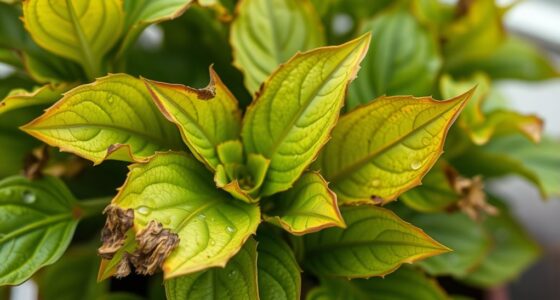
Second, the guide says to remove yellowed or diseased foliage now, but not to cut plants back fully. Healthy green leaves are still photosynthesizing and storing energy for next year. Diseased or pest-damaged leaves should be removed because, according to the report, pests, fungal spores, and nematodes can overwinter in leftover foliage. Diseased material should go to yard waste rather than compost.
The remaining three tasks cover moisture, pests, and timing. Hostas should be watered deeply at the soil line whenever the top inch or two of soil dries out, since adequate moisture entering dormancy helps plants cope with winter stress. Slugs and snails, which the report says become more active in early fall, can be controlled by clearing debris, handpicking, or using bait around vulnerable plants. Finally, gardeners should wait until foliage has fully yellowed and collapsed after the first hard frost before trimming it back and disposing of it, just as with September care for fuchsias.
Why Late-Season Care Affects Next Spring
Hostas are among the most widely grown shade perennials, and their spring performance depends heavily on energy stored the previous fall. According to the Gardening Know How report, every green leaf remaining in September is still contributing to root reserves, which is why the guide explicitly warns against cutting plants back too early. Conversely, foliage left on the ground over winter — whether diseased or dead — can harbor slugs, fungal spores, and nematodes that reinfest plants the following season.
The timing of division also carries consequences. Transplants set out in September, the report says, generally have enough warm soil and rainfall to establish roots before freezing weather arrives, whereas later moves leave divisions less prepared. For gardeners with mature, overgrown clumps — a common situation for a plant that grows larger each year — the end of the month is the practical deadline.
Hostas and the Fall Dormancy Cycle
Hostas are herbaceous perennials grown primarily for their foliage, and they are hardy in cold climates. Each autumn, the plants enter dormancy: leaves yellow, deteriorate, and ultimately collapse after the first hard frost. The report emphasizes that this decline is a normal part of the seasonal cycle, not a sign of disease, and that the goal of fall care is to support the plant rather than keep it looking pristine.
Because hostas prefer consistently moist soil and produce large foliage, they have higher water needs than many shade plants. Their popularity among home gardeners, the report notes, stems in part from how easy they are to grow — provided the seasonal steps of dividing, cleanup, watering, and pest management are followed.
“Infectious agents and pests overwinter in this foliage, so remove it now.”
— Gardening Know How, September hosta care guide
Timing Variances by Region and Climate
The report’s recommendations are general, and the site notes that September transplanting works “in most places” — meaning gardeners in areas with early frosts or very short falls may need to adjust the timing. The guide does not specify exact dates for the first or last watering, when to apply slug bait, or how late in the month division can safely occur in colder zones. Individual results will depend on local frost dates, rainfall, and the condition of each plant. Gardeners uncertain about regional timing should consult local extension guidance.
Frost, Cutback, and Winter Preparation
According to the report, the next milestone is the first hard frost, after which hosta foliage will collapse fully. At that point, gardeners should trim back the dead foliage, composting it if it appears healthy and disposing of it if diseased, and avoid leaving it on the ground over winter. Divisions and transplants made this month should continue receiving water until they enter dormancy. Come spring, the report says, plants given this care will reward growers with healthy new growth.
Key Questions
Should I cut my hostas all the way back in September?
No. According to Gardening Know How, green leaves are still photosynthesizing and storing energy for next year. Only remove foliage that has yellowed or been damaged by pests or disease, and wait until after the first hard frost to do a full cutback.
When is the best time to divide hostas?
The report identifies September as a good window in most regions, because warm soil and gentler temperatures with more frequent rain reduce transplant stress. Division is not required every year — only when clumps have become large and overgrown.
Do hostas still need watering in fall?
Yes. The guide recommends checking the soil and watering deeply at the soil line when the top inch or two dries out. Moisture entering dormancy helps hostas cope with winter stress. Deep, infrequent watering is preferable to shallow daily watering.
Why are there more holes in my hosta leaves in early fall?
According to the report, slugs and snails become more active as weather cools. Signs include holes in leaves and slime trails. The guide recommends clearing debris, handpicking pests, and using slug and snail bait around vulnerable plants.
Is it normal for hostas to look ragged in fall?
Yes. The report states that yellowing and deterioration of leaves is a normal part of dormancy, and the foliage will collapse entirely after the first hard frost. Gardeners are advised to support the process rather than try to keep plants looking perfect.
Source: rss
Fall Picks
fall essentials
As an affiliate, we earn on qualifying purchases.