
TL;DR

Get garden gear delivered free with Prime
- Fast, free delivery on millions of items
- Prime Video, Amazon Music and more included
- Member-only deals all year
A Homes & Gardens report describes Crazy Keiki Cloning Paste, a product intended to encourage dormant buds on healthy orchids to grow into shoots or keikis. The report cites product instructions and mixed Amazon reviews, but does not independently verify the results or establish that the paste will work on a particular plant.
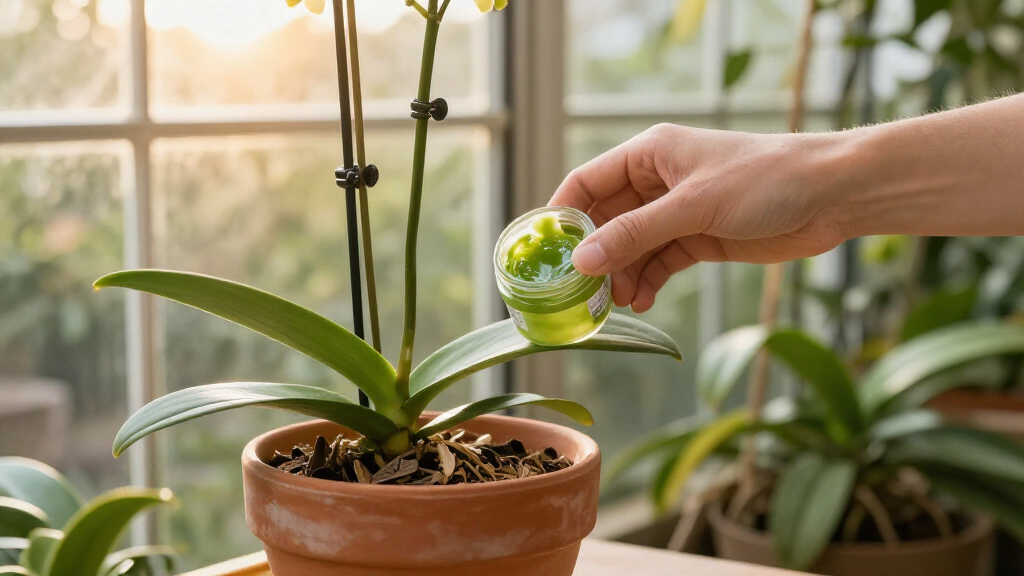
Homes & Gardens has reported on Crazy Keiki Cloning Paste, a product marketed to prompt dormant buds on orchid stems to develop into new shoots or small plantlets called keikis. The article says the paste may help healthy, bare-stemmed orchids produce growth, but stresses that it is not a remedy for plants suffering from problems such as root rot, poor lighting or unsuitable temperatures.
The report describes the paste as a blend of natural wax, hormones, compounds, nutrients and vitamins. It is applied to a node, or growth point, on a flowering stem after a small section of the node covering is cut or peeled back. The product listing described in the article includes an 8-gram vial, applicator sticks and a QR code linking to a user guide. The article also refers to shopper comments describing the container as holding 7 milliliters; these are different measures, and the source does not explain the discrepancy.
According to the product-use guidance quoted in the report, new buds may form in three to four weeks, with a keiki emerging within about eight weeks. Those are expected timelines, not a guarantee: the article says outcomes vary and notes that some Amazon reviewers reported the paste did not work for them. The report advises applying it to one or two nodes rather than treating many at once, since encouraging too much new growth could put added stress on a plant.
A keiki is a small plant that grows from the parent orchid and is genetically identical to it. The report says growers can leave one attached to the parent or separate it for propagation after it develops aerial roots a few inches long, then pot it in orchid mix. It also describes the product as suitable for other houseplants with above-ground nodes, including pothos, monstera and tradescantia. These are product and article claims, not independently tested findings in the material provided.
A Possible Option for Bare Orchid Stems
For orchid owners whose plants are otherwise healthy but have stopped producing visible growth along an old flowering stem, the paste is presented as a relatively small intervention aimed at dormant buds. If those buds develop, the result could be additional shoots or blooms; a keiki could also provide a way to propagate the plant. The report says applying the paste higher on the stem is intended to encourage blooms, while a lower node may be used when the goal is a new plant.
The important distinction is that new growth is not the same as recovery from poor health. A plant weakened by watering errors, rot, insufficient light or temperature stress may not be able to support extra shoots. The article recommends addressing the underlying care problem before trying to stimulate growth. That caveat matters to readers considering a product promoted as a quick fix: the report does not establish a success rate or show that the paste can overcome poor growing conditions.
Products Worth Considering

Dyson Cyclone V10 Origin Cordless Vacuum

Philips Hue Bridge Pro Smart Lighting Hub

Philips Hue Festavia Globe Outdoor String Lights, 32 Bulbs, 91 ft
As an affiliate, we earn on qualifying purchases.
How Keikis Grow on Orchids
Orchid stems can look bare as plants age, and the Homes & Gardens report also identifies infrequent repotting as a possible factor in a leggy appearance. Some orchids naturally produce keikis along flowering stems. The paste is intended to encourage this process at selected dormant nodes, rather than functioning like conventional rooting hormone used on cuttings.
The article cites an Amazon rating of 4.4 out of 5 from more than 6,700 reviews at the time it was written. It recounts reviewers reporting growth within weeks on orchids and other houseplants, but also notes mixed feedback, including reports of no effect. Those reviews are individual customer accounts; the source material does not provide a controlled test, a verified measurement of results or a comparison with untreated plants.
“It’s only been about three short weeks, and I’m already seeing an absolutely unbelievable amount of new growth.”
— A five-star Amazon reviewer quoted by Homes & Gardens
Results Depend on Plant Health
The report does not provide independent testing, a success rate or a controlled comparison showing how often the paste produces new orchid growth. The cited customer reviews are mixed and cannot establish what a buyer should expect. It is also unclear from the source material whether the stated timelines apply broadly across orchid types or depend on growing conditions and the condition of each plant.
The product description names ingredients in broad terms but does not give their precise composition or concentrations in the material supplied. The article also does not resolve the difference between its listed 8-gram vial and a reviewer’s reference to a 7-milliliter container. Readers should consult the product’s current label and instructions rather than assume the report’s details cover every version.
Check Care Before Applying Paste
The next step for an orchid owner is to assess the plant’s condition and follow the product’s current instructions. The Homes & Gardens report advises against applying the paste to an orchid that is wilting or affected by root rot or other stress. After any underlying care issues have been addressed, the article recommends treating only one or two nodes and monitoring for growth rather than expecting a guaranteed bloom schedule.
If a keiki develops, growers can leave it on the parent plant or wait until its aerial roots are a few inches long before separating and potting it in specialized orchid mix, as described in the report. Whether this particular product will produce new growth on an individual plant remains uncertain; the source offers shopper experiences and guidance, not clinical or horticultural trial results.
Key Questions
What is Crazy Keiki Cloning Paste intended to do?
The product is marketed to encourage dormant buds on orchid stems and other plants with above-ground nodes to produce new shoots or keikis. The Homes & Gardens report does not establish that it will work in every case.
How soon might an orchid show growth?
The report cites guidance suggesting new buds may appear in three to four weeks and a keiki within about eight weeks. These are stated expectations, not guaranteed timelines.
Can the paste save a sick orchid?
No such benefit is established in the source. The report says it is not a cure for underlying problems such as root rot, watering issues, unsuitable temperatures or lack of light, and advises waiting until an unhealthy plant has recovered.
Can a keiki become a separate orchid?
According to the report, a keiki can be separated once it has aerial roots a few inches long and planted in orchid potting mix. It can also be left attached to the parent plant.
Do reviews show that the paste works reliably?
The article cites a 4.4-out-of-5 Amazon rating from more than 6,700 reviews at the time of writing, but also notes mixed feedback, including reports that the paste did not work. Customer reviews do not establish a reliable success rate.
Source: homesandgardens.com