TL;DR

Get garden gear delivered free with Prime
- Fast, free delivery on millions of items
- Prime Video, Amazon Music and more included
- Member-only deals all year
An Amateur Gardening report outlines five preparations for gardens ahead of stormy, wet and windy weather: shelter pots, secure supports and loose objects, check trees, and reduce waterlogging risks. It advises staying indoors once dangerous weather begins; the recommendations are general guidance, not a forecast for a specific storm.
Amateur Gardening has published five steps to help households prepare gardens for expected windy and wet weather, including moving pots to shelter, securing outdoor items and checking trees near buildings or roads. The advice is intended to reduce risks from flying objects, falling branches and waterlogged containers; it does not promise that gardens can be protected from every storm.
The report recommends moving containers out of exposed positions and placing them on the ground in a sheltered spot, where they are less likely to topple. For more seasonal advice, see these garden preparation tips. Grouping pots together may help protect them from wind. Hanging baskets should be taken off their brackets and set down, while tender plants can be moved to a frost-free space where available.
It also advises checking that arches, trellises and stakes are firmly secured, and tying in tall plants such as sunflowers. Gardeners should also be aware of potentially dangerous garden plants. Trampolines, garden toys, tools, empty pots and furniture should be moved indoors where possible. Greenhouses and sheds should be checked to confirm they are sound and securely fixed to the ground.
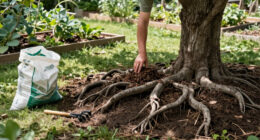
For trees near homes or roads, the report recommends seeking an assessment from a qualified tree surgeon and addressing weak branches before a storm. To reduce problems from heavy rain, gardeners can check that container drainage holes are clear and avoid leaving pots standing in water or full saucers. The report also suggests considering plants suited to wetter conditions and using a water butt to collect rainwater.
Reducing Wind and Water Damage
Garden objects can become hazards when strong winds lift or displace them, while falling branches may damage property or block paths and roads. Securing furniture, toys and structures can reduce the chance that items are blown into neighbouring gardens or public spaces. Keeping containers low and stable can also limit breakage and potential injury.
Heavy rain creates a different problem: blocked drainage and prolonged standing water can leave container plants waterlogged. Preparing before conditions worsen gives residents time to move vulnerable items and check their gardens without taking risks during a storm. The advice applies to more than large, exposed gardens; the source says balconies, urban plots, school gardens and container gardens may also be affected.
Products Worth Considering

Philips Hue Festavia Globe Outdoor String Lights, 32 Bulbs, 91 ft

Roborock F25 BX Cordless Wet Dry Vacuum Mop

Ring Battery Doorbell Plus (2nd Gen) with Chime Plus, Nickel Silver and White
As an affiliate, we earn on qualifying purchases.
Advice Ahead of Autumn Storms
The Amateur Gardening report frames its recommendations around the approaching storm season, following a summer described as hot and dry. It says the months ahead are expected to be wetter and windier as El Niño develops, but provides no named weather authority, forecast dates or regional outlook in the supplied material. That seasonal statement should not be read as a specific warning for a particular location.
The five jobs cover two main risks: wind damage from unstable structures, plants and loose objects, and water damage from intense rainfall. The article also notes that storm preparation has limits. Its central safety instruction is to stay indoors if severe weather has already started and leave garden work until conditions are safe.
““While we can’t protect against every eventuality which might come our way in the face of stormy weather, there are some precautions that can be taken.””
— Amateur Gardening
Forecast and Local Risks
The source material does not identify a specific storm, provide a publication date, or give forecast details such as wind speeds, rainfall totals or affected regions. It also does not quantify how much damage the recommended steps may prevent. Local risks will depend on weather conditions, garden layout and the state of individual trees and structures.
The report names several plants as possible choices for wetter conditions, but suitability can vary with soil, climate and site conditions. Its tree advice is general: it does not assess any particular tree or specify which branches should be removed. Readers should not attempt hazardous work during high winds or heavy rain.
Prepare Before Conditions Worsen
Gardeners can use the checklist before a storm arrives: move or secure loose items, check supports and drainage, and arrange a professional inspection for concerning trees near buildings or roads. If an official weather warning is issued, local authorities and weather services should guide decisions about timing and safety.
Once strong winds or heavy rain begin, the report advises staying inside rather than trying to rescue pots or repair structures. After conditions pass, residents can check for damage from a safe position and seek professional help for fallen trees or unstable structures.
Key Questions
What should I move before a storm?
Move pots, hanging baskets, toys, tools and garden furniture to sheltered or indoor locations where possible. Set containers on the ground rather than leaving them in exposed or elevated positions.
How can I reduce the risk of pots becoming waterlogged?
Check that each pot’s drainage holes are clear and avoid leaving containers sitting in full saucers or standing water for long periods.
Should I prune a tree before a storm?
The report recommends having trees near homes or roads checked by a tree surgeon and dealing with weak branches ahead of a storm. It does not advise readers to carry out hazardous tree work themselves.
What should I do if the storm has already started?
Stay indoors and do not go outside to move garden items or make repairs while conditions are dangerous. The garden can be checked when it is safe.
Source: amateurgardening.com