To create a pet-proof home, choose houseplants that pets naturally avoid and are non-toxic, such as spider plant, Boston fern, and parlor palm. These plants have textures and scents that discourage nibbling, reducing the risk of poisoning. You can also use smell deterrents like citrus peels or elevated planters to keep plants out of reach. Keep pets safe while enjoying greenery—discover more ways to select and maintain pet-friendly plants below.
Key Takeaways
- Choose non-toxic, pet-safe houseplants like spider plant, Boston fern, or parlor palm to prevent health risks.
- Use plants with strong smells or bitter tastes, such as snake plant, to naturally deter pets from chewing.
- Position plants in elevated or hanging planters to keep them out of pets’ reach and reduce temptation.
- Incorporate natural deterrents like citrus peels or sprays to discourage pets from approaching plants.
- Train pets to avoid plants and provide safe toys to redirect their attention, enhancing overall plant safety.

If you have pets, ensuring your houseplants are safe for them is essential. Many common plants can pose health risks if ingested, so choosing non toxic varieties is a smart way to keep your furry friends safe. When you opt for pet safe decorating, you not only create an attractive space but also reduce the chance of accidental poisoning. Familiarizing yourself with plants that pets tend to avoid can save you stress and prevent emergency vet visits.
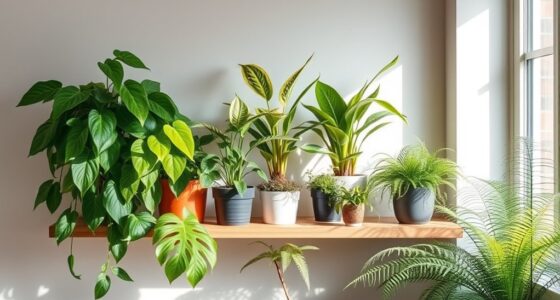
Certain plants naturally deter pets from chewing or nibbling. For example, plants like the spider plant, Boston fern, and parlor palm are generally non toxic and tend to be less appealing to cats and dogs. Their textures and scents don’t attract animals, making them excellent choices for pet proofing your home. These options allow you to enjoy the greenery without constantly worrying about your pets swallowing something harmful. *Furthermore*, incorporating these plants into your decor aligns with pet safe decorating principles—creating a beautiful environment that respects your pet’s health.
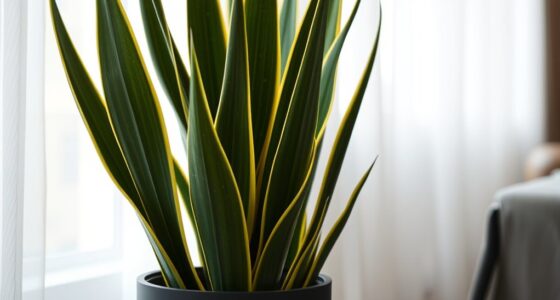
You can also consider plants with strong or unpleasant smells that discourage pets from approaching. Plants like the snake plant (also known as mother-in-law’s tongue) have a bitter taste and an odor that most pets find unappealing. Although snake plants are technically toxic if consumed in large quantities, their unpalatable smell and texture often prevent pets from chewing on them. Still, it’s wise to keep a close eye on your pets and observe their behavior around new plants. For added safety, position these plants in areas that are less accessible, such as hanging planters or elevated shelves.
Another effective strategy involves using natural deterrents, such as citrus peels or sprays, to discourage pets from approaching certain plants. These methods can be part of your pet safe decorating approach, helping to create a harmonious environment. Also, training your pets to stay away from certain areas or plants can complement your plant choices. Providing alternative toys or safe chewables can divert their attention away from your plants.
Ultimately, selecting non toxic varieties and understanding your pet’s tendencies can *considerably* enhance your plant-parenting. By choosing pet friendly plants and implementing pet safe decorating practices, you create a space that’s both lush and safe. This proactive approach minimizes risks, letting you enjoy your indoor garden while ensuring your pets stay healthy and happy. Additionally, understanding the safety of houseplants can help prevent accidental poisoning and promote a healthier environment for your pets.

Raysfung 10 X 10ft Hardtop Gazebo, Galvanized Steel Double Roof Gazebo with Nettings and Curtain Outdoor Aluminum Frame Vertical Stripes Roof Permanent for Patio, Backyard, Lawns
DOUBLE VENTED HARDTOP DESIGN: (Please do not use in strong wind and clear the snow promptly.)The double-vented hardtop...
As an affiliate, we earn on qualifying purchases.
Frequently Asked Questions
Are There Any Non-Toxic Plants Safe for All Pets?
When looking for safe plant alternatives, you want to choose from a reliable non-toxic plant list. Many pet owners prefer non-toxic plants to keep all pets safe and healthy. Some safe options include spider plants, Boston ferns, and areca palms. Always double-check specific plants, as some may vary in toxicity. By selecting from the non-toxic plant list, you guarantee your pets can enjoy your home without worry.
How Do I Train My Pet to Avoid Houseplants?
Imagine your cat constantly nibbling your houseplants. To curb this pet behavior, use positive reinforcement training techniques. When your cat ignores the plants, praise or reward with treats. Consistency is key; redirect their attention when they approach plants and discourage unwanted behavior gently. Over time, your pet learns to avoid the plants, keeping both your home safe and your plants intact. Patience and positive reinforcement make training effective.
Can Plants Be Safely Placed Out of a Pet’S Reach?
You can safely place plants out of your pet’s reach by carefully planning plant placement and using pet access control measures. Elevate plants on shelves or hang them, ensuring pets can’t easily access them. Use barriers or furniture to block access, and avoid placing toxic plants in areas where your pet roams. This approach helps protect your plants and keeps your pet safe without the need for constant supervision.
What Signs Indicate My Pet Is Sick From Plant Ingestion?
You might notice subtle signs that your pet is sick from plant ingestion, which can coincide with other health issues, making symptom identification tricky. Look for vomiting, diarrhea, lethargy, or drooling, as these often point to plant toxicity. If you see these signs, act quickly. Recognizing early symptoms helps guarantee prompt treatment and prevents worsening health, so always stay vigilant and consult your vet if you suspect your pet has ingested a toxic plant.
Are There Any Natural Repellents to Keep Pets Away From Plants?
If you want to keep pets away from certain plants, natural deterrents and pet safe sprays are effective options. You can use homemade solutions like diluted vinegar or citrus peels around plants, or look for commercial pet safe sprays designed to deter pets without harm. These methods help protect your plants while ensuring your pets stay safe, making your home environment both beautiful and pet-friendly.

Inground Pool Safety Covers, Fits 16x32ft Rectangular Winter Pool Cover for Swimming Pools, High Strength Mesh PP with Triple Stitching, Included Installation Tools (Blue, Fits 16x32ft Pools)
Pool Covers for Inground Pools–This Inground Pool Safety Cover size 18x34ft,fits rectangular pools size:16x32ft, with 2ft extra coverage...
As an affiliate, we earn on qualifying purchases.
Conclusion
By choosing pet-proof plants, you create a safe and beautiful space for both your pets and your home. Isn’t it worth the effort to keep your furry friends out of harm’s way while still enjoying greenery? With these plants in your home, you can relax knowing you’ve made smart, pet-friendly choices. So, why not give your pets a safe haven and your home a lush touch? After all, a happy pet makes for a happier home.

Inground Pool Safety Cover,Heavy-Duty Winter Safety Cover for Inground Swimming Pools,Triple-Stitched Rectangle Pool Cover,Reinforced Design, All-Weather Protection (Green, 16FTx34FT)
[16x34 Inground Pool Safety Cover] :Ideal Pool Safety Covers for 16x34 Ft Pools : Experience superior protection with...
As an affiliate, we earn on qualifying purchases.

VEVOR Inground Pool Safety Cover, 16 ft x 32 ft Rectangular Winter Pool Cover, Triple Stitched, High Strength Mesh PP Material with Good Rain Permeability (Fit 16x32ft Pools)
1. **Pool Covers for Inground Pools – Easy Winter Pool Care by VEVOR**: Our VEVOR pool covers for...
As an affiliate, we earn on qualifying purchases.