TL;DR
Homes & Gardens reports that placing a houseplant pot inside a larger decorative container, such as a wicker basket, can provide insulation in colder rooms. The article recommends breathable padding and says insulation is not always needed in a warm, stable home, where trapped moisture can create problems.
Homes & Gardens has recommended a decorative basket as one way to insulate houseplant pots during cold weather, while keeping them presentable indoors. The approach places a plant’s existing pot inside a larger container and adds breathable padding, but the report says it is most relevant to plants in colder rooms or those especially sensitive to temperature changes—not every plant in a heated home.

Get garden gear delivered free with Prime
- Fast, free delivery on millions of items
- Prime Video, Amazon Music and more included
- Member-only deals all year
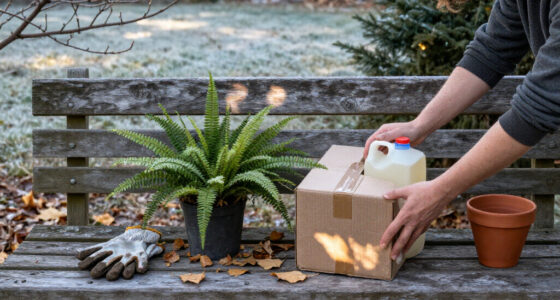
The method described in the report is to put a potted plant inside a larger cachepot, such as a wicker basket, then fill the gap around the pot with material such as shredded paper, coco coir or burlap. The outer container and padding are intended to reduce exposure of the roots to cold. The report favors a woven basket because it allows airflow, but does not provide test results comparing materials or measuring temperature changes.
Homes & Gardens says the measure may suit plants exposed to cold drafts, chilly windows or rooms that run cold, including conservatories and bathrooms. It identifies calatheas, Chinese evergreens and crotons as examples of tropical houseplants that may be sensitive to environmental changes. Plants in porous terracotta pots are also singled out because their roots may be more exposed to cold than roots in less porous containers.
The report also describes alternatives: wrapping pots in materials such as burlap or bubble wrap, or placing them on a cork mat to separate them from cold tile floors. These are suggestions in the source article, not findings from a controlled trial. Whatever the method, the plant’s existing pot should remain the functional container; the decorative basket is an outer layer, and growers should watch for moisture collecting around it.
When Extra Pot Insulation May Help
The advice offers indoor gardeners a way to address cold exposure without leaving insulating wraps visible around their plants. Roots can be affected when pots sit in cold locations, and the report lists discolored leaves, mushy stems and root problems among possible signs of cold damage. Those symptoms can have other causes too, so they should not be treated as proof that cold is the problem.
The practical trade-off is between reducing cold exposure and allowing excess water to escape. An outer basket and padding can make a plant arrangement look tidier, but if the inner pot is left sitting in water or the fill remains damp, the setup may contribute to root rot or fungus gnat problems, according to the report. The tactic is therefore a situational option, not a substitute for checking the plant’s temperature and moisture conditions.
Products Worth Considering

Shark Pet Cordless Stick Vacuum, 40-Minute Runtime, Lightweight, IX141

LG OLED evo C4 55-Inch 4K Smart OLED TV (OLED55C4PUA) with 144Hz Refresh Rate, HDMI Cable, 24-Month Protection Plan, and Streaming Bundle

Philips Hue Play Floor Lamp, RGBWWIC LED, 53 Inch, Black
As an affiliate, we earn on qualifying purchases.
The Report’s Winter Care Guidance
The original Homes & Gardens article frames insulation as one part of winter houseplant care. It also advises keeping plants away from cold drafts and avoiding contact between foliage and cold window glass. These steps address exposure directly, rather than relying only on insulation around the pot.
Plant expert and interior plant designer Shane Pliska, identified in the report as president and CEO of Planterra, says a heated home may not require pot insulation if plants are kept away from drafts and cold glass. The article gives 60–75°F as a general temperature range to consider, while stressing that individual plants have different needs. It also advises monitoring soil moisture during winter.
“Inside a heated home plants do not need insulation, just keep the plants away from cold drafts and don’t cram the foliage against a cold window. The foliage should not touch the glass.”
— Shane Pliska, plant expert and interior plant designer, as quoted by Homes & Gardens
Questions About Moisture and Results
The source does not report controlled tests showing how much warmth a basket or particular padding retains, nor does it give a measurement for how long any insulation remains effective. It also does not specify how much padding to use or provide a one-size-fits-all temperature threshold for deciding when to add it. The 60–75°F range is presented as general guidance, not a guarantee for every species.
It remains a matter of plant and home conditions whether insulation is useful. The source cautions that added material may trap moisture, but does not set out a method for preventing that beyond favoring airflow and monitoring soil moisture. Readers should not assume a basket alone will resolve cold damage, or that yellowing, soft stems or other symptoms necessarily result from low temperatures.
Check Conditions Before Adding Padding
The next step for growers is to check where plants sit and whether the room stays warm and stable. Move pots away from drafts and cold window glass first; if a plant remains exposed to cold, a larger decorative container with dry, breathable padding is one option described by Homes & Gardens. Check that the inner pot drains and that water is not pooling inside the basket.
Continue monitoring soil moisture and the plant’s condition after adding insulation. The source offers no scheduled follow-up or new research, so whether the technique helps a particular plant will depend on its species, pot, location and household conditions.
Key Questions
How does the basket method work?
Place the plant’s existing pot inside a larger decorative container, such as a wicker basket, and add breathable padding around it. The outer layer is intended to reduce cold exposure to the pot while keeping the arrangement decorative.
What materials does the report suggest?
Homes & Gardens names shredded paper, coco coir and burlap as possible padding. It also mentions pot wrapping and a cork mat as alternatives, but does not compare their performance in tests.
Do all houseplants need insulated pots in winter?
No. The report says insulation may be unnecessary in a heated, stable home if plants are kept away from drafts and cold windows. It presents the technique as most relevant to colder locations and plants sensitive to environmental changes.
Can padding around a plant pot cause problems?
It can if excess moisture becomes trapped. The report warns that damp conditions may contribute to root rot and fungus gnats, so use breathable materials, keep the inner pot draining, and monitor moisture.
Source: homesandgardens.com