TL;DR

Get garden gear delivered free with Prime
- Fast, free delivery on millions of items
- Prime Video, Amazon Music and more included
- Member-only deals all year
A Gardening Know How report outlines seven household items that can help shelter plants during a light overnight frost: cardboard boxes, cotton bedding, milk jugs, bubble wrap, newspaper, autumn leaves and paper tubes. The report says these materials are not a substitute for proper protection during a prolonged freeze, and covers should be removed or adjusted as conditions change.
Gardening Know How has published a guide to using seven household discards to protect plants during light, short-lived fall frosts, offering gardeners alternatives to buying frost cloth for a cold night. The advice covers cardboard, bedding, plastic jugs, bubble wrap, newspaper, autumn leaves and paper tubes, while warning that improvised covers have limits and need to be used with care. For more on frost barriers, see how floating row covers protect plants.
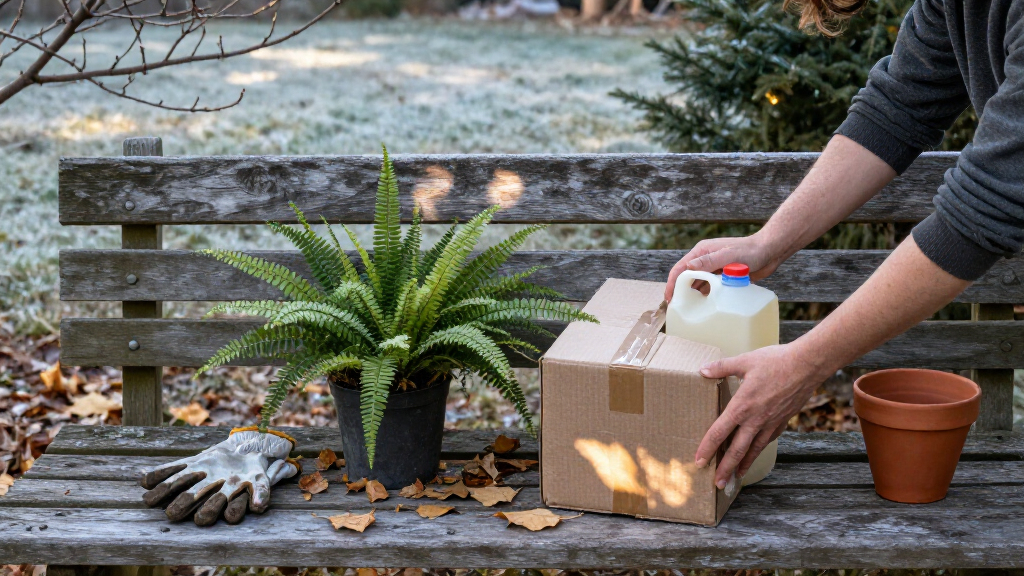
The report says cardboard boxes can be placed over individual plants at dusk, with the edges resting on the soil; a brick can help keep a lightweight box from blowing away. Boxes block light and may soften in heavy dew, so the report advises removing them in the morning. Old bed sheets and pillowcases can cover larger areas or single plants. Stakes or tomato cages can keep wet, heavy fabric from resting on tender stems, and weights can secure the edges.
A rinsed plastic milk jug with its bottom cut off can serve as a small cover for a seedling or young lettuce plant. For container-specific precautions, see how to protect container plants before frost. The guide advises pressing its open edge into the soil, leaving the cap on during cold nights and removing the cap on sunny days to release heat. Bubble wrap is suggested for wrapping the outside of patio pots, rather than plants, to slow heat loss through the pot wall.
Several layers of newspaper can cover low plants or be shaped into a cone for one seedling, but wet paper loses insulating value and should be removed and dried. The report recommends saving fallen leaves for late fall, when a few inches around a tender perennial can insulate its crown and roots; shredded leaves are described as less likely to mat, and a gap should be left around the stem. Learn about plants most vulnerable to early frost. A toilet-paper or paper-towel tube pushed into the soil around a transplant can act as a collar against cutworms and cold wind, but the report says tubes alone offer little frost protection.
Low-Cost Covers for Cold Nights
These suggestions offer gardeners a way to protect tender crops and young plants when a brief frost arrives before the growing season is over. A cover that helps a plant through one cold night may preserve a later harvest of peppers or lettuce, while reusing household materials can reduce the need for a last-minute purchase.
The advice is most useful when readers understand its limits. The source says these materials can help with light frost, described as frost that clears by mid-morning, but not a freeze that lasts for days. That distinction matters: an improvised cover may provide short-term shelter, but should not be treated as reliable protection through prolonged freezing conditions.
Products Worth Considering

Philips Hue Festavia 130-Foot Indoor/Outdoor Smart String Lights, 500 LEDs

Philips Hue Festavia Globe Outdoor String Lights, 32 Bulbs, 91 ft

Shark Rotator Lift-Away Vacuum with DuoClean PowerFins (LA555) – Dark Grey
As an affiliate, we earn on qualifying purchases.
How Temporary Covers Hold Warmth
The Gardening Know How report explains that on a clear, calm night, heat stored in the soil during the day can escape upward. A cover can catch some of that warmth around the plant. The guide advises draping covers loosely, with their edges reaching the ground while leaving space around stems.
Morning conditions matter as much as the overnight low. The report says covers should come off once the air warms above freezing, because they can trap heat and moisture. Plastic needs particular care: the guide warns that where it touches leaves, it can conduct cold to the foliage. It should be supported on a frame or placed over fabric, not laid directly on plants. A thermometer near the garden can help with morning checks, though ground-level air may be colder than the air reading on still nights.
“They’ll carry plants through a light frost, the kind that whitens the lawn at dawn and is gone by mid-morning, but not a freeze that sits in for days.”
— Gardening Know How report
Limits of the Household Methods
The source does not provide temperature thresholds for each material, or specify how long each type of plant can safely remain covered. Results can depend on conditions such as wind, moisture, the plant’s size and the severity of the cold. The guide characterizes the methods as suitable for a light frost, not a sustained freeze, but does not quantify that distinction.
It also does not establish that these covers will protect every plant or prevent damage in all gardens. Readers should treat the suggestions as practical, short-term measures and follow local frost forecasts and any plant-specific care guidance. The report notes particular risks from wet newspaper, damp leaves around plant crowns, and plastic touching foliage.
Check Forecasts and Remove Covers
The report advises keeping suitable materials dry and ready until a frost advisory is issued. Before nightfall, gardeners can choose a cover suited to the plant, secure it against wind and keep plastic away from leaves. In the morning, they should check conditions and remove or open covers as temperatures rise; milk-jug caps should be removed on sunny days to let heat escape.
For a cold spell expected to last beyond a light overnight frost, the source does not present household discards as enough on their own. Gardeners will need to assess the forecast and the needs of their plants, using more durable frost protection where appropriate.
Key Questions
Which household items does the report recommend saving?
It lists cardboard boxes, old sheets and pillowcases, plastic milk jugs, bubble wrap, newspaper, autumn leaves, and toilet-paper or paper-towel tubes.
Can these items protect plants during a prolonged freeze?
The report says the materials can help during a light frost but not a freeze that lasts for days. It does not give specific temperature thresholds for when each method will fail.
When should covers come off?
According to the guide, remove covers when the air warms above freezing in the morning to avoid trapping heat and moisture. Open the cap on a milk-jug cover on sunny days.
Is it safe to put plastic directly on plant leaves?
No. The report warns that plastic touching foliage can transfer cold to the leaves. Use it on a frame or over a fabric layer, or wrap it around the outside of a pot instead.
Source: gardeningknowhow.com