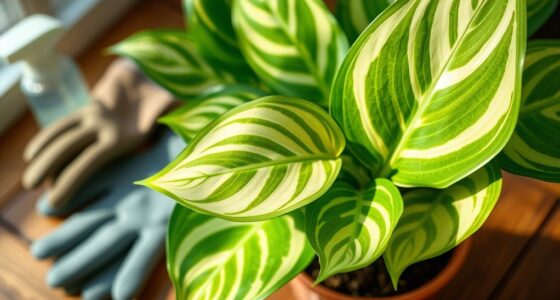
To care for your calathea, maintain high humidity by using humidifiers or pebble trays, which helps keep leaves flexible and supports their signature prayer movement. Water only when the top inch of soil feels dry, and avoid overwatering to prevent root issues. Regularly inspect for pests and clean leaves to promote health. Enjoy the striking patterns and graceful movement as you practice proper care—more tips await to help your calathea thrive indoors.
Key Takeaways
- Maintain high humidity with humidifiers or pebble trays to support leaf movement and overall plant health.
- Regularly inspect leaves for pests and clean them to prevent stress that can hinder prayer movement.
- Water only when the top inch of soil feels dry, adjusting frequency with seasonal changes.
- Proper watering and pest control promote healthy, flexible leaves capable of natural movement.
- Consistent humidity and leaf care help the calathea exhibit its characteristic prayer posture and vibrant appearance.
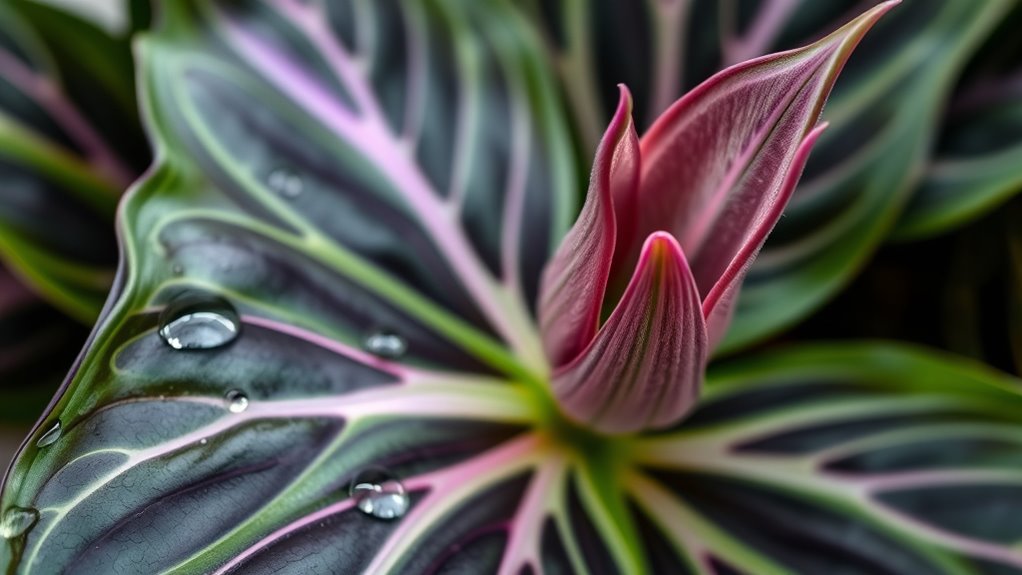
Calatheas are stunning houseplants that thrive with the right care, but they can be a bit particular about their environment. To keep your calathea healthy and vibrant, you need to pay close attention to their watering schedule and pest prevention. These plants dislike overwatering, which can lead to root rot, so you should water only when the top inch of soil feels dry. During warmer months, you might find yourself watering more frequently, but always check the soil first to avoid giving them too much moisture. In winter, cut back on watering, keeping the soil just barely moist. Consistency is key: a regular watering routine helps your calathea adapt and stay healthy.
Water your calathea only when the top inch of soil feels dry for healthy growth.
Pest prevention is equally important in maintaining the plant’s lush appearance. Common pests like spider mites, mealybugs, and aphids can quickly infest calatheas, especially if the environment is too dry or dusty. To prevent pests, inspect your plant regularly, especially the undersides of the leaves, where pests tend to hide. Keeping the humidity levels high and the leaves clean helps deter pests from settling in. You can gently wipe the leaves with a damp cloth or spray them with water to remove dust and pests. If you notice any pests, acting swiftly with an insecticidal soap or neem oil spray can prevent an infestation from spreading.
In addition to watering and pest prevention, providing the right humidity levels makes a big difference. Calatheas love humid environments, so consider using a humidifier or placing the pot on a tray filled with pebbles and water. This creates a microclimate that mimics their natural tropical habitat, reducing stress and preventing leaf browning caused by dry air. Proper humidity also helps keep pests at bay, as many pests thrive in dry conditions.
Your calathea’s leaves are more than just decorative—they move in response to light and humidity, a phenomenon known as prayer movement. This movement is a natural response, and it’s a good sign your plant is healthy. To encourage this movement and keep your calathea happy, maintain consistent watering, prevent pests, and ensure proper humidity. When you do all this, your calathea will reward you with its striking, patterned foliage and graceful movements, becoming a beautiful focal point in your home. Paying attention to these details helps your plant flourish, ensuring it remains a vibrant and lively addition to your space.

Portable Mini Humidifier, Colorful, Cool Mist, USB Powered. Perfect for Bedroom, Office & Car (300ml, White)
Portable Mini Humidifier with Vivid Cycling Light: This compact and lightweight humidifier is designed for easy portability and…
As an affiliate, we earn on qualifying purchases.
As an affiliate, we earn on qualifying purchases.
Frequently Asked Questions
How Often Should I Repot My Calathea?
You should repot your Calathea every 1 to 2 years, or when it outgrows its current pot. Keep an eye on its watering schedule—if the soil dries out quickly or the plant becomes root-bound, it’s time to repot. Regular repotting refreshes the soil, promotes healthy growth, and prevents root rot. Usually, spring is the best time to do this, ensuring your Calathea stays happy and thriving.
What Is the Best Soil Type for Calathea?
You’ll want to use a well-draining soil mix rich in organic matter for your Calathea. Coincidentally, this helps prevent waterlogging, which can harm your plant’s roots. A good blend combines peat moss, perlite, and compost to guarantee proper soil drainage and nourishment. This combo supports healthy growth, keeps roots moist without soggy, and mimics their natural environment, giving your Calathea the perfect foundation to thrive indoors.
Can Calathea Be Kept Outdoors Year-Round?
You can keep your calathea outdoors year-round if you live in a warm, humid climate, but you should consider outdoor placement carefully. During colder months, seasonal protection is essential to prevent frost damage. If temperatures drop below 60°F, bring your calathea inside or provide shelter. Make sure it’s placed in a shaded spot, away from direct sunlight, to mimic its natural environment and keep it healthy.
How Do I Prevent Leaf Curling?
Ever wonder why your Calathea’s leaves curl? To prevent leaf curling, you need to address common causes like low humidity, drafts, or overwatering. Is your home’s humidity too low? Boost it with a humidifier, pebble trays, or misting regularly. Ensuring consistent moisture and avoiding temperature fluctuations also helps. By maintaining proper humidity and avoiding stressors, your Calathea’s leaves stay flat, vibrant, and healthy.
What Are Common Pests Affecting Calathea?
You’ll want to watch for common pests like spider mites, aphids, and mealybugs that can affect your calathea. Pest identification is key—look for tiny webs, sticky residue, or white cottony spots. To treat, try natural remedies like neem oil or insecticidal soap. Regularly inspect your plant, and act quickly to prevent pests from spreading and damaging your calathea’s vibrant leaves.

FANTIAN Succulent Rocks, 3/8 Inch Polished Pebbles for Indoor Plants, Decorative River Rocks for Plants Indoor, Vase Fillers, Cactus Planters, Bird Bath, Fountain, Outdoor Garden Landscaping
【Package & Size】Package: 1 pound colorful pebbles. Size:3/8 inch(0.5-1 cm). Perfect size is ideal for decorating succulents, cacti…
As an affiliate, we earn on qualifying purchases.
As an affiliate, we earn on qualifying purchases.
Conclusion
With the right humidity, attentive leaves, and the graceful prayer movement, your Calathea will flourish like a hidden gem in your home. Think of it as a delicate dance—caring for it requires harmony and patience. When you meet its needs, you’ll be rewarded with vibrant foliage and soothing serenity. Keep nurturing your plant, and watch it thrive, transforming your space into a lush oasis filled with life and tranquility.
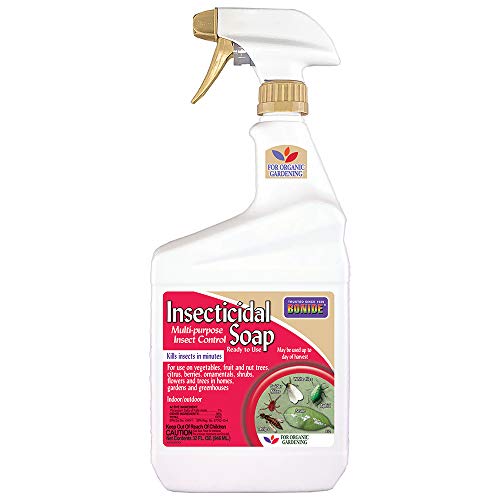
Bonide Insecticidal Soap, 32 oz Ready-to-Use Spray Multi-Purpose Insect Control for Organic Gardening Indoor and Outdoor
Captain Jack's Insecticidal Super Soap controls species of adelgid, ant, aphid, borer, caterpillar, spider mite, cricket, chinch bug,…
As an affiliate, we earn on qualifying purchases.
As an affiliate, we earn on qualifying purchases.
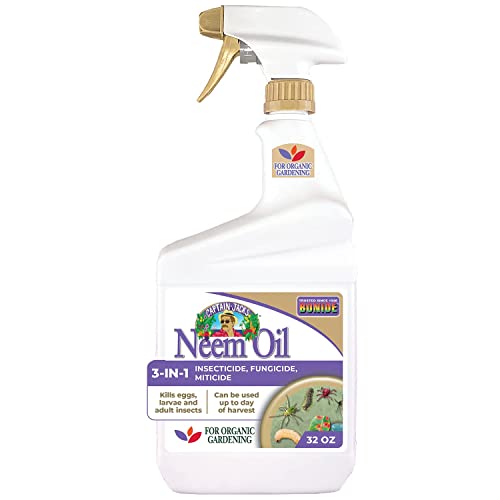
Bonide Captain Jack's Neem Oil, 32 oz Ready-to-Use Spray, Multi-Purpose Fungicide, Insecticide and Miticide for Organic Gardening
MULTI-PURPOSE BUG KILLER – Bonide Neem Oil is a perfect pest control solution for any garden dealing with…
As an affiliate, we earn on qualifying purchases.
As an affiliate, we earn on qualifying purchases.