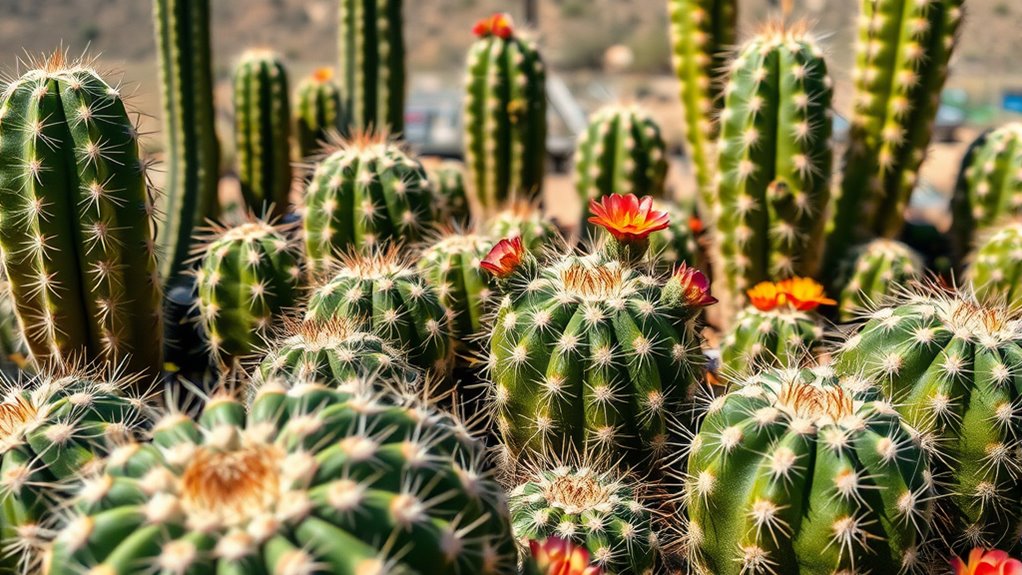

To keep your cactus healthy and pretty, water only when the top inch of soil feels dry, typically every 2-4 weeks, adjusting for seasons. Use well-draining soil and planters to prevent overwatering, and inspect for pests like mealybugs or spider mites regularly. Proper sunlight, watering, and pest prevention are key to vibrant growth. If you keep up with these tips, you’ll discover more ways to care for your prickly beauty and guarantee it thrives.
Key Takeaways
- Water only when the top inch of soil feels dry, adjusting frequency seasonally to prevent overwatering.
- Use well-draining soil and planters to promote healthy root development and avoid water pooling.
- Regularly inspect for pests like mealybugs and spider mites, and treat early with insecticidal soap if needed.
- Provide ample sunlight and proper watering routines to maintain the plant’s vibrant, prickly beauty.
- Maintain consistent care and environmental conditions to ensure your cactus stays healthy, resilient, and attractive.

Cacti are hardy plants that thrive with minimal care, but understanding their specific needs can help you keep them healthy and vibrant. One of the most important aspects of caring for your cactus is establishing proper watering routines. Unlike many houseplants, cacti don’t require frequent watering. In fact, overwatering is one of the most common mistakes that can lead to root rot and other problems. You should water your cactus only when the top inch of soil feels dry to the touch, which typically means watering every two to four weeks, depending on the climate and season. During the active growing season, usually spring and summer, you might need to water a bit more often, but always make certain excess water drains away completely. In winter, reduce watering even further, sometimes to once a month or less, as cacti enter dormancy and need less moisture. Using well-draining soil is essential in this process—sandy or cactus-specific potting mixes help prevent water from pooling around roots. Proper watering routines not only keep your cactus healthy but also help prevent pest issues that thrive in overly moist environments. Additionally, choosing the right planter can improve drainage and support healthy growth.
Pest prevention is a critical part of cactus care. While cacti are generally resistant to pests, they can occasionally fall prey to common issues like mealybugs, spider mites, and scale insects. These pests often find a cozy home in crevices and on the undersides of the plant, especially when the plant is stressed or receiving too much moisture. To prevent infestations, regularly inspect your cactus for signs of pests, such as fuzzy white spots, tiny webs, or sticky residue. Maintaining proper watering routines plays a significant role in pest prevention because damp, overwatered soil can attract pests and promote fungal growth. If you spot pests early, gently wipe them off with a soft cloth or use insecticidal soap designed for succulents. Keep your cactus healthy by providing adequate sunlight, proper soil drainage, and avoiding overwatering, which all contribute to a pest-resistant plant. Consistent care and observation help you catch issues early before they become severe, ensuring your cactus remains a striking and resilient addition to your home or garden.
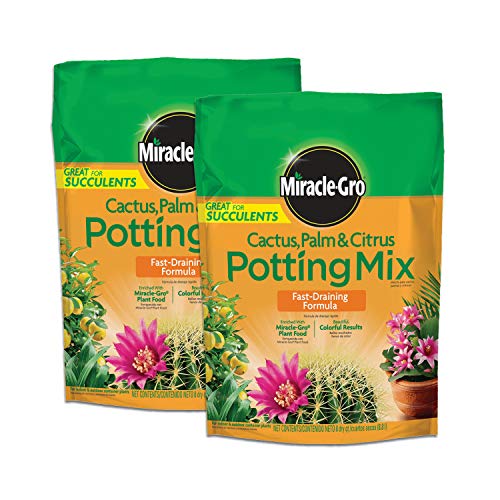
Miracle-Gro Cactus, Palm and Citrus Potting Mix, for Indoor or Outdoor Potted Plants, Great for Succulents, 8 qt., 2-Pack
Miracle-Gro Cactus, Palm & Citrus Potting Mix features a fast-draining formula and is enriched with Miracle-Gro Plant Food
As an affiliate, we earn on qualifying purchases.
As an affiliate, we earn on qualifying purchases.
Frequently Asked Questions
Which Cactus Species Are Best for Beginners?
If you’re new to cactus care, some species are more beginner-friendly. Consider succulents compatible with your environment, like the popular Aloe Vera or the easy-to-grow Christmas Cactus. Desert native cacti such as the Barrel or Prickly Pear are also great choices. They thrive with minimal watering and bright sunlight, making them perfect for beginners. Just make certain you use well-draining soil and avoid overwatering, and you’ll enjoy your sturdy, low-maintenance plants.
How Often Should I Repot My Cactus?
You should repot your cactus every 2-3 years to keep it healthy. Follow a consistent watering schedule, letting the soil dry out completely between waterings. When repotting, renew the soil to provide fresh nutrients and improve drainage. This also helps prevent root rot and pest issues. Choose a slightly larger pot with good drainage, and handle your cactus carefully during the process to avoid injury.
Can Cacti Survive in Low Light Conditions?
Imagine you’re in a Victorian parlor—cacti can survive there too. While cacti have low light tolerance, they thrive with ample sunlight, so survival strategies include placing them near south-facing windows or using grow lights. In low light conditions, their growth slows, and they may become etiolated, but with proper care, they can endure. Remember, bright light is best, but some cacti adapt to shadier spots.
What Are Common Pests That Affect Cacti?
You might notice pests like mealybugs, spider mites, or scale insects on your cactus. To prevent these pests, practice regular pest prevention by inspecting your plant often and keeping it healthy. If you spot them, try natural remedies like wiping the pests off with a cotton swab dipped in alcohol or applying insecticidal soap. Consistent care helps keep your cactus pest-free and thriving.
How Do I Identify Overwatering Signs?
You can tell you’re overwatering your cactus by checking the soil moisture—if it stays wet for too long, it’s a red flag. Look out for soft, discolored, or rotting roots, which indicate root rot caused by excess water. Also, your cactus may become swollen or develop a mushy texture. To prevent this, let the soil dry out completely between waterings and ensure proper drainage to keep your cactus healthy.

Garden Safe Brand Insecticidal Soap Insect Killer, 32 Fluid Ounces, For Organic Gardening, Kills Bugs Through Contact
READY-TO-USE CONTACT SPRAY: No mixing required. Thoroughly spray insecticide on all plant parts, including the underside of leaves….
As an affiliate, we earn on qualifying purchases.
As an affiliate, we earn on qualifying purchases.
Conclusion
Caring for your cactus may seem tricky, but it’s actually quite straightforward once you understand its needs. Some believe cacti thrive best in dry, desert-like conditions, which is true—overwatering is a common mistake. By providing well-draining soil, plenty of sunlight, and sparing water, you’ll keep your prickly friend healthy and beautiful. Embrace these best practices, and you’ll enjoy a resilient, striking plant that’s surprisingly easy to care for.

SQKH 4 Inch Plant Pots, 6 Pack Indoor Flower Pots, Planters with Drainage Holes and Trays for Orchids, Violets, Succulents, Herbs, and Other Plants,Corolful
Right Size – The 6-Pack 4-Inch Indoor Plant Pots are ideal for small indoor and outdoor Plants and…
As an affiliate, we earn on qualifying purchases.
As an affiliate, we earn on qualifying purchases.

The Grow Co Succulents & Cactus Plant Food – Gentle Long Lasting Formula, Slow Release Fertilizer (Liquid Alternative) for All Potted Succulent, Cacti & Aloe Vera Plants (5 oz)
LIGHT APPLICATIONS – A balanced mix of essential nutrients with low NPK rates to gently feed your live…
As an affiliate, we earn on qualifying purchases.
As an affiliate, we earn on qualifying purchases.