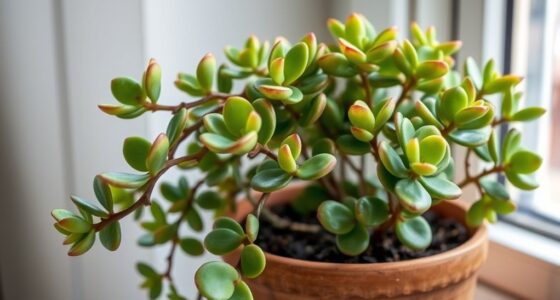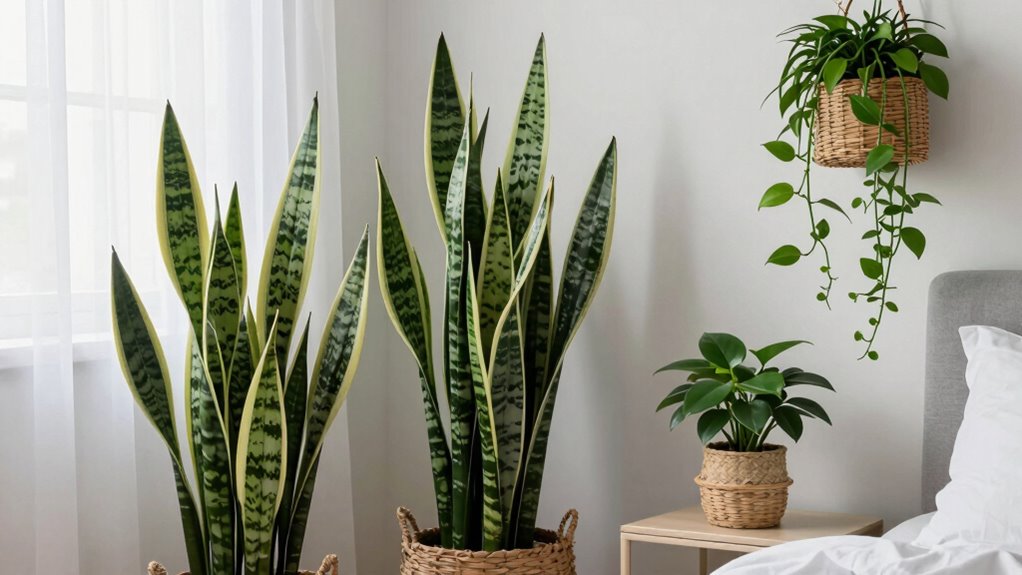

Finding the perfect indoor plants for bedrooms involves balancing aesthetics, ease of maintenance, and air-purifying qualities. The Costa Farms Money Tree stands out as the best overall for its low maintenance and calming presence. The Snake Plant (Laurentii) is another top pick, thanks to its ability to thrive in low light and purify the air. However, buyers face tradeoffs: some plants require more light or regular watering, while others may be toxic to pets. Continue reading for a detailed breakdown of the best options for your bedroom environment.

Get garden gear delivered free with Prime
- Fast, free delivery on millions of items
- Prime Video, Amazon Music and more included
- Member-only deals all year
Complete the kit


Key Takeaways
- The top-ranked plants combine ease of care with air-purifying benefits, making them ideal for bedrooms.
- Low-light tolerance varies; the Snake Plant and ZZ Plant excel in darker spaces, while others need more sunlight.
- Pet safety is a key consideration; pet-friendly options like Pothos and Lemon Lime Maranta are popular despite slightly lower air purification.
- Aesthetic variety matters: from lush palms to minimalist succulents, the selection caters to different interior styles.
- Maintenance demands differ significantly; choosing plants with forgiving care needs reduces the risk of neglect or overwatering.
| Costa Farms Money Tree, Live Indoor Plant with Braided Trunk |  | Best Overall for Decorative Luck and Air Quality | Type: Indoor Plant | Trunk Style: Braided | Plant Size: Small | VIEW ON AMAZON | See Our Full Breakdown |
| Altman Plants Live Snake Plant (Laurentii), 4 in Pot |  | Best for Low-Maintenance, Versatile Air Purification | Plant Type: Snake Plant (Laurentii) | Pot Size: 4 in | Features: Drought tolerant, air-purifying, easy care | VIEW ON AMAZON | See Our Full Breakdown |
| Costa Farms Parlor Palm, Live Indoor Plant, Tropical Decor, Air Purifying |  | Best for Tropical Aesthetic and Air Purification | Plant Type: Parlor Palm (Neanthe Bella) | Indoor Use: Yes | Air Purifying: Yes | VIEW ON AMAZON | See Our Full Breakdown |
| Lemon Lime Maranta Prayer Plant – Pet Friendly Indoor Houseplant in 4-inch Pot | 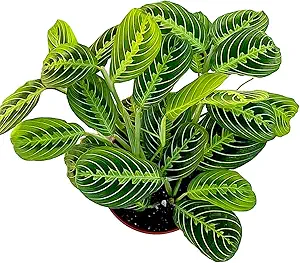 | Best for Colorful, Pet-Safe Indoor Accent | Plant Type: Indoor Houseplant | Size: 12-16 inches tall | Pot Size: 4 inches | VIEW ON AMAZON | See Our Full Breakdown |
| Costa Farms ZZ Plant, Live Indoor Plant, Air Purifying, Easy Care |  | Best for Low-Maintenance, Modern Decor | Plant Type: ZZ Plant | Indoor/Outdoor: Indoor | Air Purifying: Yes | VIEW ON AMAZON | See Our Full Breakdown |
| Live Pothos Plants (4-Pack) Indoor Houseplants – Trailing Green Plants for Pets |  | Best Overall for Low-Light Resilience and Versatility | Quantity: 4 plants | Height: 8-10 inches | Varieties: Marble Queen, Silver Satin, Golden, Neon, Hawaiian pothos | VIEW ON AMAZON | See Our Full Breakdown |
| Costa Farms Peace Lily, Live Indoor Plant, Air Purifying, Flowers, 6-in Pot |  | Best for Elegant Decor and Air Quality in Moderate Light | Size: 6-inch pot | Type: Indoor plant | Air Purifying: Yes | VIEW ON AMAZON | See Our Full Breakdown |
| Live Braided Money Tree Pachira Aquatica Indoor Houseplant in 4-inch Pot |  | Best for Prosperity and Decorative Braided Design | Plant Type: Pachira aquatica | Pot Size: 4 inches | Height: 14-16 inches | VIEW ON AMAZON | See Our Full Breakdown |
| Costa Farms Snake Plant, Live Indoor Plant, Air Purifying, Easy Low Light |  | Best for Minimal Maintenance and Modern Style | Type: Snake Plant / Sansevieria | Light Requirements: Low to bright indirect light | Air Purifying: Yes | VIEW ON AMAZON | See Our Full Breakdown |
| Aglaonema Chinese Evergreen ‘Beauty’ Indoor Houseplant |  | Best for Colorful Foliage and Easy Care | Plant Type: Chinese Evergreen (Aglaonema) | Features: Air purifying, Variegated, Easy to grow | Light Tolerance: Low to bright indirect light | VIEW ON AMAZON | See Our Full Breakdown |
| indoor plants for bedroom | Air Purifying | Plant Type |
|---|---|---|
| Costa Farms Money Tree | Yes | — |
| Altman Plants Live Snake Plant | — | Snake Plant (Laurentii) |
| Costa Farms Parlor Palm | Yes | Parlor Palm (Neanthe Bella) |
| Lemon Lime Maranta Prayer Plan | Yes | Indoor Houseplant |
| Costa Farms ZZ Plant | Yes | ZZ Plant |
| Live Pothos Plants | — | — |
| Costa Farms Peace Lily | Yes | — |
| Live Braided Money Tree Pachir | — | Pachira aquatica |
| Costa Farms Snake Plant | Yes | — |
| Aglaonema Chinese Evergreen ‘B | — | Chinese Evergreen (Aglaonema) |
More Details on Our Top Picks
Costa Farms Money Tree, Live Indoor Plant with Braided Trunk
This Money Tree stands out for its distinctive braided trunk, which adds a decorative touch that elevates any room. Compared with the ZZ Plant, it offers a more traditional and symbolic aesthetic, making it a charming centerpiece. Its air-purifying qualities and pet-friendly nature make it suitable for households seeking both style and functionality. However, it requires attentive watering to stay healthy, and its small size may limit its visual impact in larger spaces. If you want a visually appealing plant that also symbolizes good fortune, this pick makes the most sense for those willing to care for it regularly.
Pros:- Distinctive braided trunk design adds visual interest
- Helps improve indoor air quality
- Pet-friendly and safe for households
Cons:- Requires regular watering and care to stay healthy
- Size may be too small for larger rooms
Best for: Homeowners or office workers who want a decorative, air-purifying plant that brings a touch of luck and charm.
Not ideal for: Individuals seeking a large, low-maintenance plant that needs minimal care or a dramatic statement piece.
- Type:Indoor Plant
- Trunk Style:Braided
- Plant Size:Small
- Air Purifying:Yes
- Pet Friendly:Yes
Our verdict“Best suited for those who value decorative appeal and symbolic meaning, and are prepared for routine plant care.”
Altman Plants Live Snake Plant (Laurentii), 4 in Pot
This Snake Plant is a robust choice for busy or beginner gardeners, thanks to its drought tolerance and minimal watering needs. Unlike the Parlor Palm, which requires more regular care, the Laurentii thrives in a variety of light conditions, making it highly adaptable. Its tall, striking leaves with yellow edges add a contemporary touch, while its air-purifying qualities contribute to a healthier indoor environment. The tradeoff is that it tends to grow slowly indoors, meaning it might take time to reach a more substantial size. If you want a resilient, fuss-free plant that still offers visual appeal and air cleaning, this option makes the most sense for those prioritizing ease of care.
Pros:- Low-maintenance and drought tolerant
- Adapts well to various light levels
- Excellent air-purifying properties
Cons:- Slow growth indoors, may stay small for a long time
- Requires proper drainage to prevent overwatering
Best for: Beginners or busy households who need a low-maintenance, versatile plant that purifies the air.
Not ideal for: Those seeking a fast-growing, large statement plant or a highly decorative display with intricate foliage.
- Plant Type:Snake Plant (Laurentii)
- Pot Size:4 in
- Features:Drought tolerant, air-purifying, easy care
Our verdict“Ideal for those who want a hardy, easy-care plant that quietly improves air quality without demanding attention.”
Costa Farms Parlor Palm, Live Indoor Plant, Tropical Decor, Air Purifying
The Parlor Palm offers a lush, tropical vibe that brightens any room, making it ideal for those who want a decorative, calming plant. Its ease of care parallels the Lemon Lime Maranta, but it requires more consistent watering and protection from temperature fluctuations, especially during delivery. Compared to the ZZ Plant, it provides a more classic tropical look, though it may be slightly more demanding in terms of maintenance. Its ability to filter toxins adds health benefits, making it suitable for a space dedicated to relaxation or work. If you desire a tropical centerpiece that also boosts air quality, this plant is a great choice despite needing some attentive care.
Pros:- Adds a lush, tropical aesthetic
- Helps improve indoor air quality
- Easy to care for with proper placement
Cons:- Requires protection from freezing temperatures during shipping
- Needs regular watering and attention
Best for: Homeowners or office users wanting a vibrant, tropical-looking plant with air-purifying benefits.
Not ideal for: People seeking a low-maintenance or very small plant that requires minimal watering or care.
- Plant Type:Parlor Palm (Neanthe Bella)
- Indoor Use:Yes
- Air Purifying:Yes
- Arrives:Fresh and healthy, secured in specialized packaging
Our verdict“Perfect for those who want a tropical ambiance and air purification, willing to provide some routine care.”
Lemon Lime Maranta Prayer Plant – Pet Friendly Indoor Houseplant in 4-inch Pot
The Lemon Lime Maranta stands out with its vibrant green and yellow foliage that folds at night, creating a dynamic visual effect. Its pet-safe status makes it a smart choice for households with cats and dogs, unlike some plants that can be toxic. Its easy-care nature, requiring only moderate watering and indirect light, makes it accessible for beginners. Compared with the Parlor Palm, it offers a more striking, colorful appearance, though it may need more frequent watering and specific light conditions. If you want a lively, pet-safe plant that adds tropical charm and improves indoor air quality, this pick offers a compelling combination of beauty and safety.
Pros:- Pet-safe and non-toxic for cats and dogs
- Vibrant foliage adds tropical charm
- Easy to care for with minimal watering
Cons:- Requires bright, indirect light for optimal growth
- Colors or shape may vary slightly between plants
Best for: Pet owners or those wanting a colorful, easy-care plant for desks or shelves.
Not ideal for: People who cannot provide bright, indirect light or prefer very low-light plants.
- Plant Type:Indoor Houseplant
- Size:12-16 inches tall
- Pot Size:4 inches
- Pet Friendly:Yes
- Air Purifying:Yes
Our verdict“A lively, pet-safe choice perfect for adding tropical color to indoor spaces that can support its light needs.”
Costa Farms ZZ Plant, Live Indoor Plant, Air Purifying, Easy Care
The ZZ Plant offers a sleek, modern look with its upright, glossy leaves, making it a stylish addition that pairs well with minimalist decor. Compared to the more tropical Parlor Palm, it demands less attention, thriving in low light and with minimal watering, which appeals to those who want a calming green space without fuss. Its resilience makes it ideal for offices or homes where plant care may be irregular. The main drawback is that cold temperatures can stress the plant, and its size is not specified, which could be a concern for those wanting a larger statement piece. For anyone seeking an easy, stylish plant that purifies air, this is a solid pick for low-maintenance settings.
Pros:- Stylish, modern appearance enhances decor
- Low-maintenance and suitable for beginners
- Provides air-purifying benefits
Cons:- Cold weather can stress the plant
- Exact dimensions and size are not specified
Best for: People in need of an easy-care, stylish indoor plant that fits into minimalistic or modern decor.
Not ideal for: Those wanting large, show-stopping plants or plants requiring high light and frequent watering.
- Plant Type:ZZ Plant
- Indoor/Outdoor:Indoor
- Air Purifying:Yes
- Care Level:Easy Care
- Plant Size:Healthy plant (size not specified)
Our verdict“Ideal for those who prioritize ease and style in a plant that quietly improves indoor air quality.”
Live Pothos Plants (4-Pack) Indoor Houseplants – Trailing Green Plants for Pets
This set of four pothos plants stands out for their adaptability to low-light conditions, making them ideal for bedrooms where natural light might be limited. Compared to the Peace Lily, which offers elegant blooms, pothos emphasizes lush greenery and ease of care, with some varieties like Marble Queen offering striking variegation. While the diverse cultivars add visual interest, the assortment means slight variation in appearance, and overwatering can pose risks, especially for the more sensitive varieties. This choice makes the most sense for those seeking a dependable, air-purifying plant that requires minimal fuss and can thrive in dimmer spaces.
Pros:- Includes four diverse, easy-to-care-for pothos plants
- Excellent for low-light environments, reducing placement restrictions
- Known for air purification and resilience
Cons:- Plants may vary slightly in appearance due to assortment
- Requires occasional watering and care, with some varieties sensitive to overwatering
Best for: Beginners who want a resilient, low-maintenance plant with a splash of greenery and air-purifying benefits
Not ideal for: Plant enthusiasts seeking flowering plants or those wanting a highly uniform look, as the assortment may vary in appearance
- Quantity:4 plants
- Height:8-10 inches
- Varieties:Marble Queen, Silver Satin, Golden, Neon, Hawaiian pothos
- Light Tolerance:Low to bright indirect light
Our verdict“A versatile, low-maintenance choice perfect for those new to indoor gardening or with limited natural light.”
Costa Farms Peace Lily, Live Indoor Plant, Air Purifying, Flowers, 6-in Pot
The Peace Lily combines aesthetic elegance with air-purifying power, making it a favorite for bedrooms that benefit from both beauty and cleaner air. Its white blooms add a sophisticated touch compared to the more casual look of the pothos, but it demands attentive watering and care to stay healthy. Unlike the Snake Plant’s minimal upkeep, Peace Lilies can be more sensitive and may need repotting as they grow. This plant is best suited for those who want a visually striking, calming presence that also filters indoor toxins.
Pros:- Elegant white blooms add sophistication to any space
- Helps improve indoor air quality by filtering toxins
- Makes a beautiful, thoughtful gift
Cons:- Requires proper watering and care to prevent drooping or health decline
- May need repotting as it grows larger
Best for: Homeowners seeking a graceful, flowering plant that enhances decor and improves air quality with moderate maintenance
Not ideal for: People who prefer very low-maintenance plants or have inconsistent watering habits, as Peace Lilies need attentive care
- Size:6-inch pot
- Type:Indoor plant
- Air Purifying:Yes
- Flowers:Yes
Our verdict“Ideal for those who want a flowering indoor plant that elevates their space and purifies the air but are willing to provide moderate care.”
Live Braided Money Tree Pachira Aquatica Indoor Houseplant in 4-inch Pot
The braided Money Tree offers a unique decorative element with its braided trunk, making it a charming focal point in bedrooms. Its symbolism of prosperity and good luck appeals to those wanting a meaningful plant that also serves as a decorative accent. Compared to the Snake Plant’s sleek minimalism, the Money Tree has a more ornate look but demands higher humidity and moderate watering for optimal growth. It’s well-suited for buyers who enjoy a symbolic, eye-catching plant that adds a touch of tradition and charm but are prepared for some specific care needs.
Pros:- Symbolizes prosperity and good luck, adding positive energy
- Beautiful braided trunk enhances visual appeal
- Easy to care for with moderate watering and indirect light
Cons:- Requires higher humidity for best growth, which may be hard in some homes
- Plant size can vary slightly due to hand braiding
Best for: Gift buyers or decor enthusiasts who appreciate a symbolic, visually distinctive indoor plant with a decorative braided trunk
Not ideal for: Those with very dry indoor environments or seeking ultra-easy plants, as it needs higher humidity and specific care
- Plant Type:Pachira aquatica
- Pot Size:4 inches
- Height:14-16 inches
- Material:Plastic pot
- Origin:Indoor/Houseplant
Our verdict“A decorative and symbolic plant best suited for those who appreciate unique design and are willing to meet its humidity needs.”
Costa Farms Snake Plant, Live Indoor Plant, Air Purifying, Easy Low Light
The Snake Plant excels in its ability to thrive with minimal attention, making it ideal for busy households or those with inconsistent watering routines. Its upright, sculptural leaves add a contemporary touch, especially compared to the more decorative Peace Lily, which needs attention to flowering and health. While Snake Plants are tough and drought-tolerant, they can be toxic to pets if ingested, a factor for pet owners to consider. This pick makes the most sense for those prioritizing durability, simplicity, and air purification in a sleek form.
Pros:- Low maintenance and drought-tolerant
- Suitable for low-light and bright environments
- Natural air purifier with a sleek, modern look
Cons:- Can be toxic to pets if ingested, requiring caution
- Overwatering can cause root rot if not careful
Best for: Pet owners or busy individuals who want a low-maintenance, stylish plant that purifies air with minimal fuss
Not ideal for: Households with curious pets that might nibble on the leaves, as it is toxic if ingested
- Type:Snake Plant / Sansevieria
- Light Requirements:Low to bright indirect light
- Air Purifying:Yes
- Indoor Use:Yes
Our verdict“A tough, low-fuss plant that delivers modern style and air cleaning benefits, perfect for minimalists and pet owners who can keep it out of reach.”
Aglaonema Chinese Evergreen ‘Beauty’ Indoor Houseplant
The Aglaonema ‘Beauty’ offers vibrant, variegated leaves that brighten up any bedroom, especially in spaces with limited natural light. Its ease of care rivals the pothos, but with the added appeal of colorful foliage, making it ideal for those wanting a bit of visual flair without complexity. Unlike the Peace Lily, which blooms periodically, the Chinese Evergreen’s focus is on its striking leaves, which may vary in vibrancy depending on lighting. It’s well suited for beginners or those seeking a lively, air-purifying plant that requires minimal maintenance but appreciates some attention to light for maximum vibrancy.
Pros:- Vibrant, colorful variegation enhances visual interest
- Easy to grow and tolerant of low to bright indirect light
- Improves indoor air quality
Cons:- Color vibrancy may vary depending on lighting conditions
- Occasional watering and maintenance needed to keep leaves healthy
Best for: Beginners or those wanting a colorful, low-maintenance plant that enhances decor and air quality
Not ideal for: People seeking flowering plants or with very low light where color vibrancy might diminish
- Plant Type:Chinese Evergreen (Aglaonema)
- Features:Air purifying, Variegated, Easy to grow
- Light Tolerance:Low to bright indirect light
Our verdict“A lively, easy-care plant that adds color and air purification to bedrooms, ideal for beginners or those craving visual interest.”

How We Picked
Our evaluation focused on performance, ease of maintenance, safety, and overall value for bedroom environments. We prioritized plants known for air purification and low light tolerance, since bedrooms often have limited sunlight. Durability and ease of care were essential, ensuring that even those with busy schedules could keep the plants healthy. We also considered safety for pets, aesthetic appeal, and cost to offer a balanced selection for different budgets. The ranking reflects a combination of these factors, with top picks excelling in multiple categories.
| indoor plants for bedroom | Plant Type |
|---|---|
| Costa Farms Money Tree | — |
| Altman Plants Live Snake Plant | Snake Plant (Laurentii) |
| Costa Farms Parlor Palm | Parlor Palm (Neanthe Bella) |
| Lemon Lime Maranta Prayer Plan | Indoor Houseplant |
| Costa Farms ZZ Plant | ZZ Plant |
| Live Pothos Plants | — |
| Costa Farms Peace Lily | — |
| Live Braided Money Tree Pachir | Pachira aquatica |
| Costa Farms Snake Plant | — |
| Aglaonema Chinese Evergreen ‘B | Chinese Evergreen (Aglaonema) |
Factors to Consider When Choosing Indoor Plants For Bedrooms
Choosing the right indoor plants for bedrooms requires considering several factors beyond just appearance. Understanding your space, lifestyle, and pet situation can help you select plants that thrive while fitting seamlessly into your routines. In this guide, I cover key considerations to help you make informed decisions and avoid common pitfalls like choosing overgrown or toxic plants.
Light Requirements
Assess your bedroom’s natural light before selecting plants. Some plants like Snake Plants and ZZ Plants tolerate low light conditions, making them perfect for darker rooms. Others may need brighter, indirect sunlight to flourish, which could mean placing them near windows or supplementing with grow lights. Picking plants suited to your available light reduces the risk of poor growth or plant death.
Pet Safety
If you have pets, prioritizing pet-friendly plants is essential. Many common indoor plants can be toxic to cats and dogs, so options like Pothos or Peace Lilies should be avoided unless you’re confident your pets won’t chew on them. Conversely, plants like Lemon Lime Maranta are safe, but they may require more attentive care. Always verify the toxicity level of a plant before bringing it into a pet-friendly home.
Maintenance Needs
Consider how much time you’re willing to dedicate to plant care. Some plants, like succulents, need infrequent watering, making them suitable for busy schedules. Others, like Peace Lilies, require regular watering and occasional fertilizing. Choosing low-maintenance plants can prevent neglect and ensure your bedroom remains lively without extra effort.
Air Purification and Health Benefits
Many indoor plants offer air-purifying qualities, which can improve sleep quality and overall health. Plants like Snake Plants and Peace Lilies effectively filter common indoor pollutants. However, the degree of purification varies, and some plants may produce allergens. Balancing health benefits with your personal sensitivities will help you pick the best fit.
Aesthetic and Size
Think about the visual impact and space constraints of your bedroom. Larger, lush plants can serve as focal points, while smaller or trailing plants add subtle accents. Measure your available space to select plants that won’t overcrowd your room or require complex maintenance. This ensures your plant choices enhance rather than clutter your environment.
Frequently Asked Questions
Are indoor plants safe for bedrooms with pets?
Many popular indoor plants are toxic to pets, so it’s essential to choose pet-safe options if you have animals. Plants like Lemon Lime Maranta and Pothos are generally considered pet-friendly, but always double-check specific toxicity information. Keeping toxic plants out of reach or selecting non-toxic varieties can help you enjoy greenery without risking your pets’ health.
Which plants are best for bedrooms with low natural light?
Plants like Snake Plants, ZZ Plants, and Peace Lilies thrive in low-light conditions, making them ideal for bedrooms with limited sunlight. These species can survive and even grow well in shaded corners, reducing the need for artificial lighting or window placement adjustments. Choosing low-light-tolerant plants can dramatically increase your options for bedroom greenery.
How often do indoor bedroom plants need watering?
Watering frequency varies by plant type and environment. Succulents and ZZ Plants typically need watering only once every few weeks, while Peace Lilies and Prayer Plants prefer weekly watering. Overwatering is a common mistake that can lead to root rot, so understanding each plant’s specific needs and checking soil moisture regularly helps keep them healthy without fuss.
Can indoor plants improve my sleep quality?
Yes, many indoor plants such as Snake Plants and Peace Lilies can improve air quality by filtering toxins, which may enhance sleep quality. Some plants also release oxygen at night, creating a fresher sleeping environment. However, be mindful of potential allergens or fragrances that might disturb sensitive sleepers, and choose plants accordingly for your specific needs.
Are there low-maintenance plants that still purify the air?
Absolutely, plants like the ZZ Plant and Snake Plant are among the easiest to care for while offering air-purifying benefits. They tolerate neglect, low light, and infrequent watering, making them perfect for busy or forgetful plant owners. While they might not remove as many pollutants as some high-maintenance options, they still significantly contribute to cleaner indoor air.
Conclusion
For a beginner or someone seeking hassle-free greenery, the Snake Plant and ZZ Plant stand out as the best overall choices, thanks to their low maintenance and air-purifying qualities. Those prioritizing pet safety should consider Lemon Lime Maranta or Pothos, despite slightly lower purification capacity. If you’re after a premium look with vibrant flowers, the Peace Lily offers both beauty and health benefits. Budget-conscious buyers will find great value in versatile, easy-care options like the Pothos 4-Pack, while enthusiasts seeking a lush, tropical feel might prefer the Costa Farms Parlor Palm. Select your plants based on your space, lifestyle, and safety needs to enjoy a healthier, more inviting bedroom.
As an affiliate, we earn on qualifying purchases.Halloween Picks

Govee Outdoor Halloween Projector Light with 3D Effects

Star Wars Yoda and R2-D2 Inflatable Halloween Decor, 6 ft with LEDs, Indoor/Outdoor

11.2-Foot Halloween Inflatable Pumpkin with LED Lights